Why Film Wedding Photography Feels So Timeless
Over the past few years, film photography has made a big return in the wedding world.
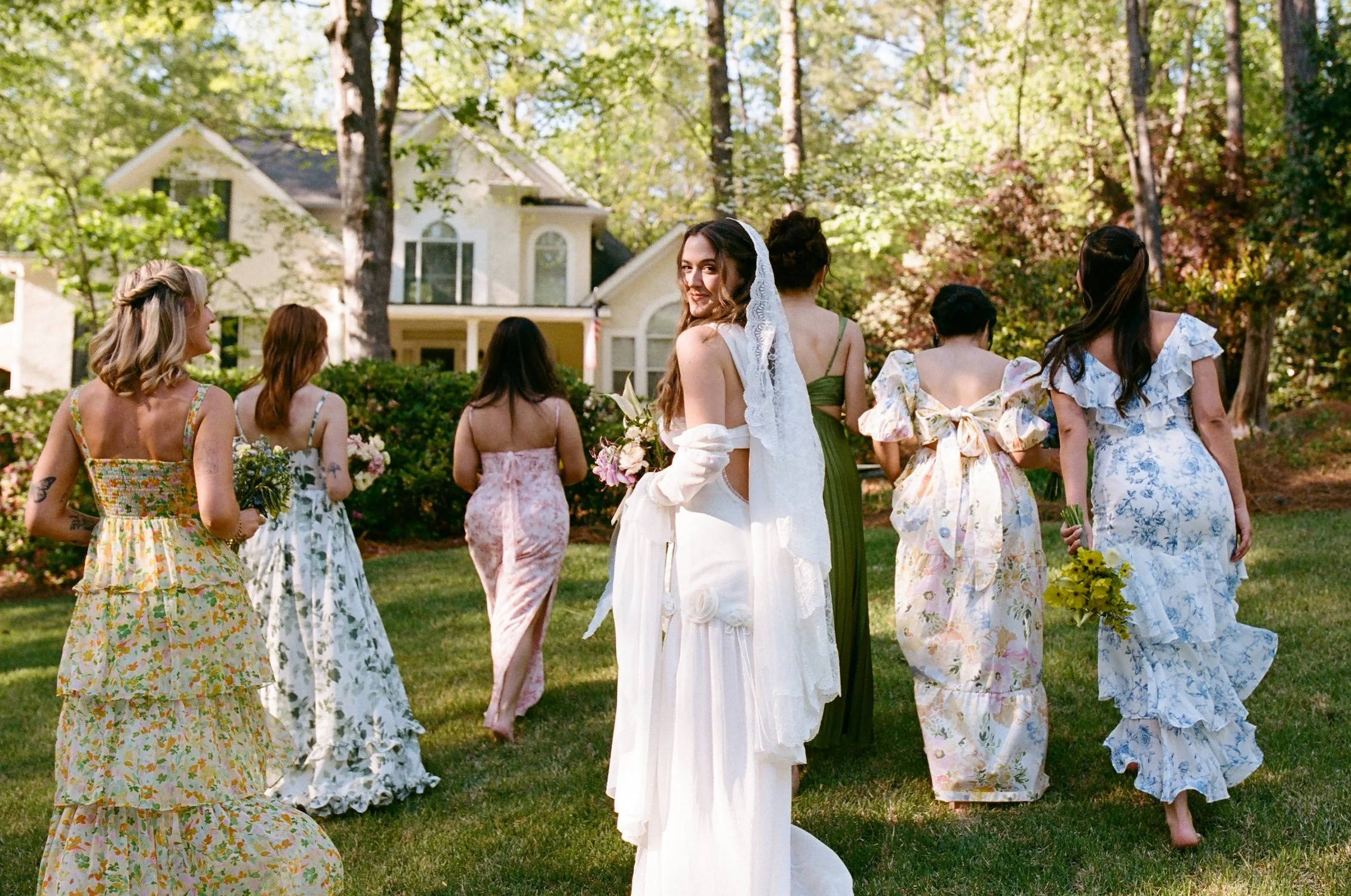
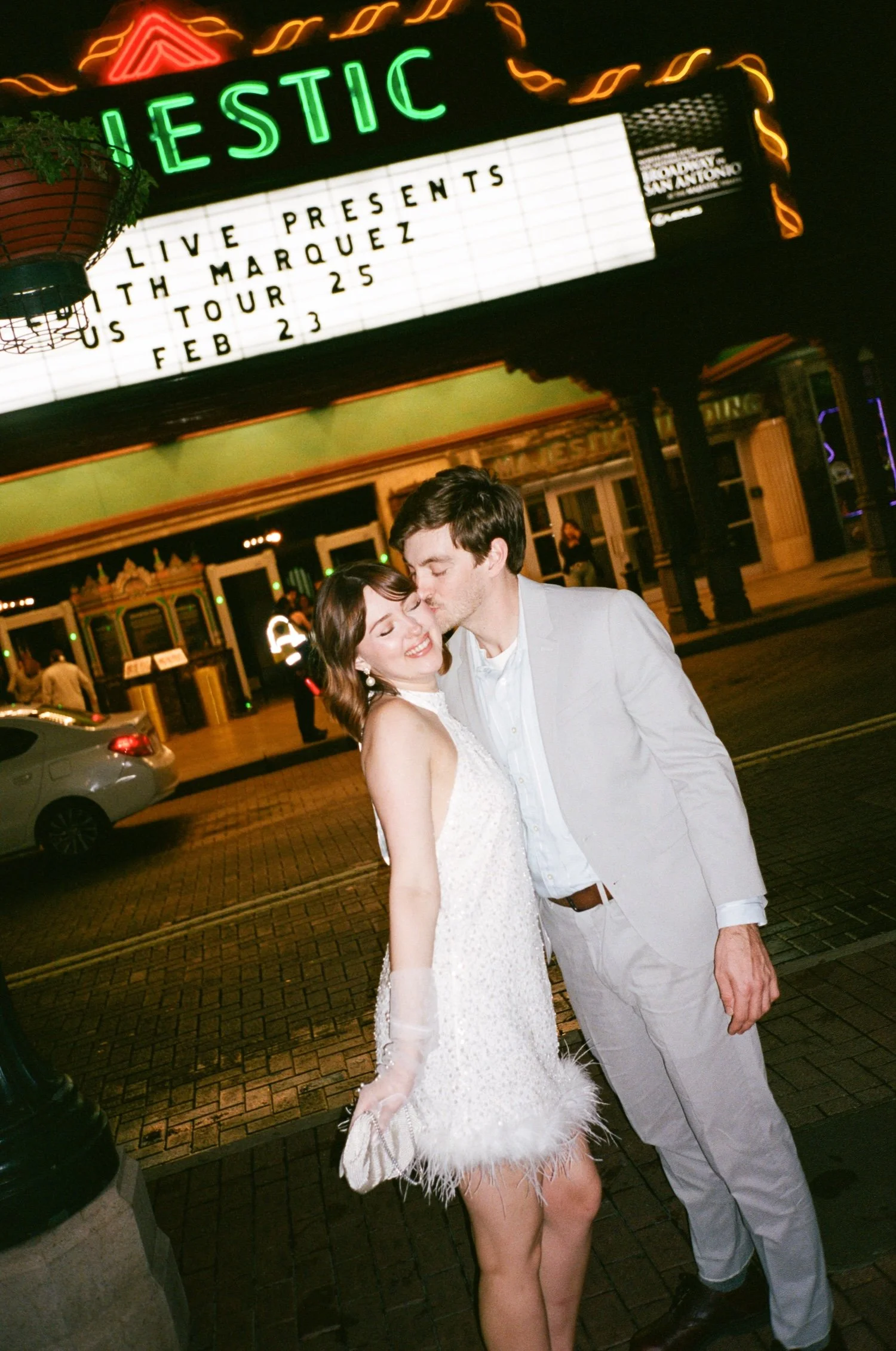
If you’ve been scrolling through wedding photos on Instagram or Pinterest lately, you’ve probably noticed it too — that dreamy, nostalgic look that feels a little softer, a little moodier, and somehow more emotional than traditional digital photos.
And while digital photography is still the backbone of most wedding galleries, many photographers (myself included) are incorporating film into their workflow again. Not because it’s trendy, but because it brings something unique to the storytelling of a wedding day.
Film simply feels different.
The Nostalgic Look Couples Love
One of the biggest reasons couples are drawn to film photography is the nostalgic quality.
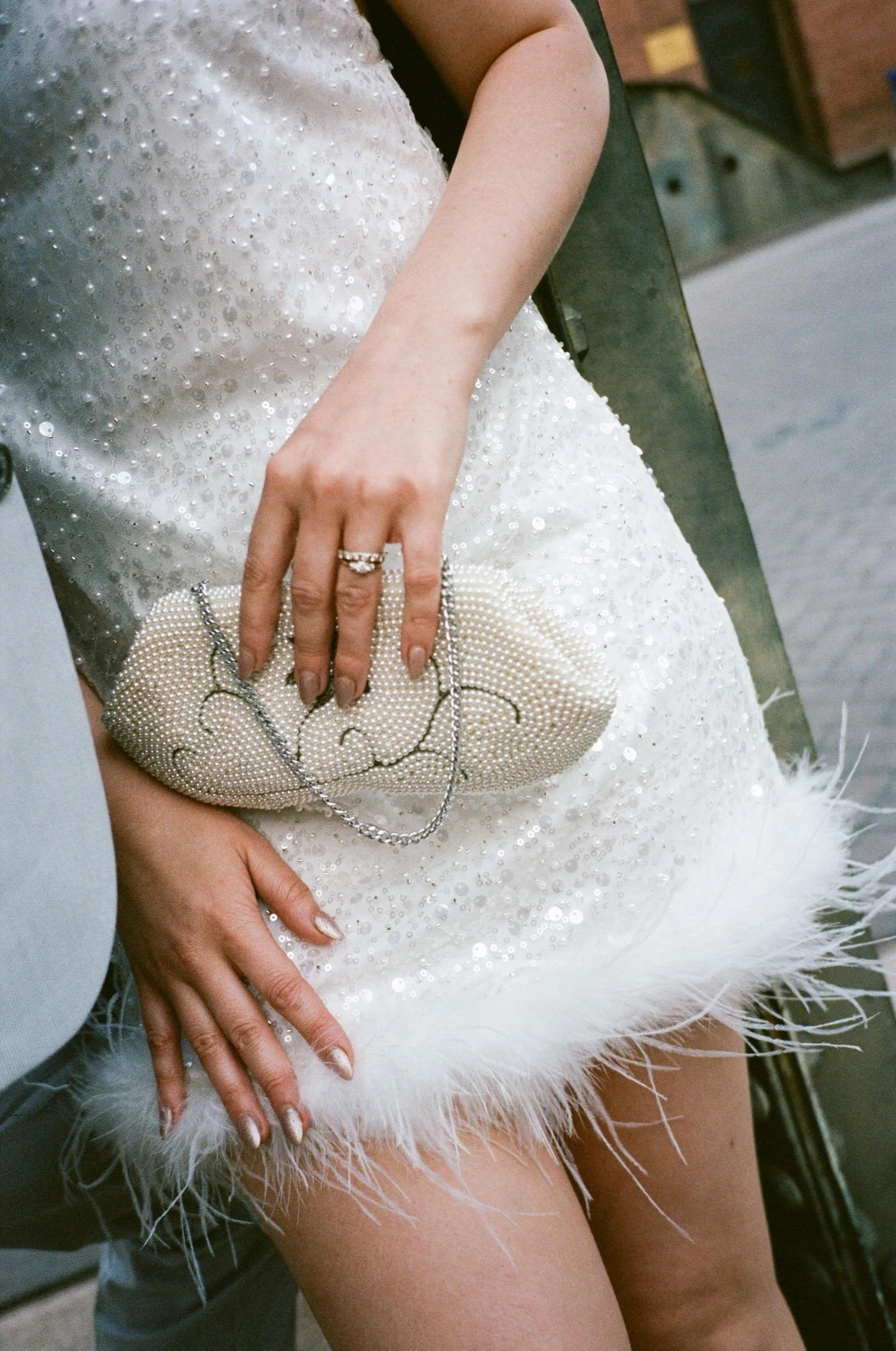
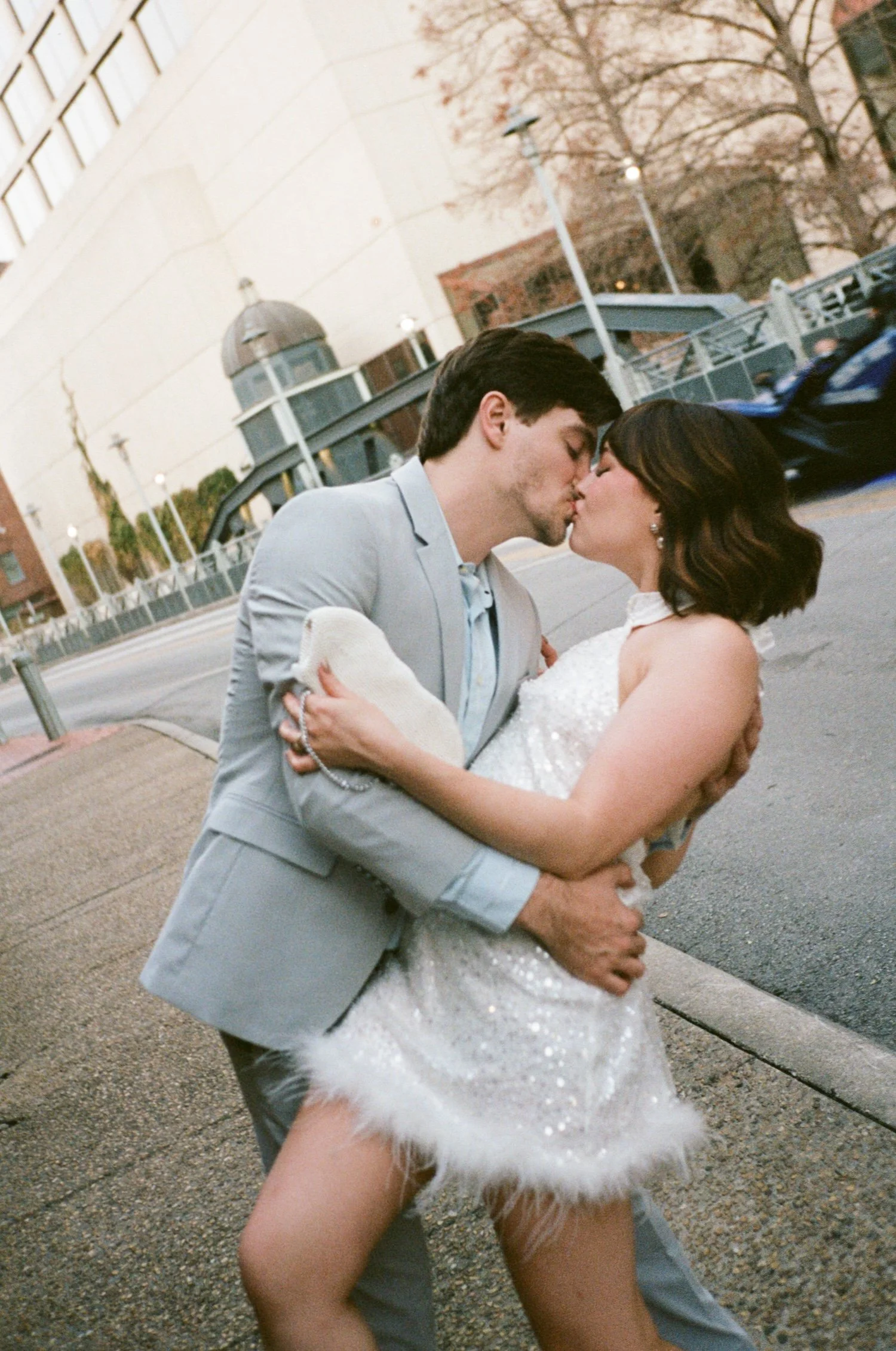
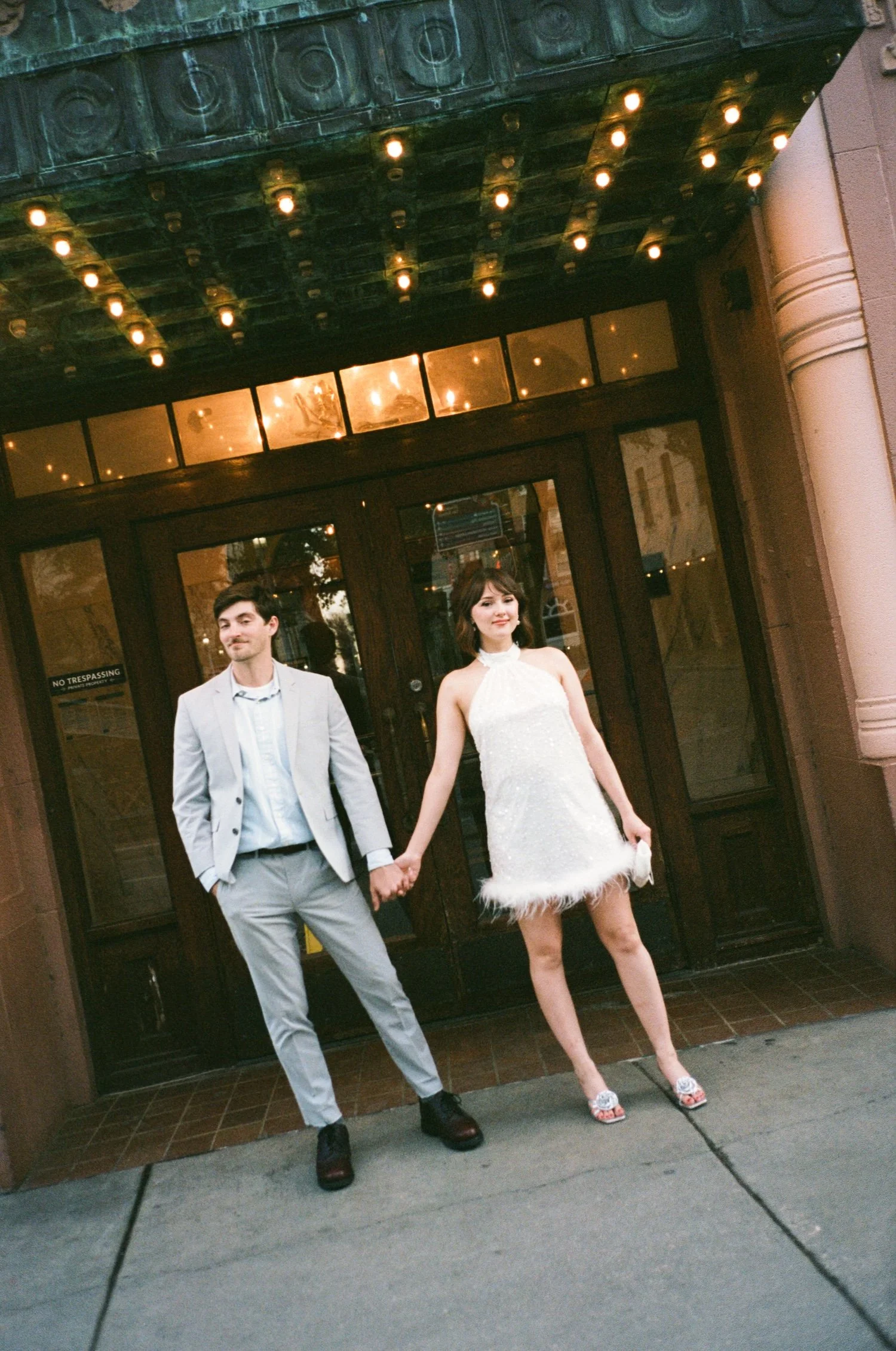
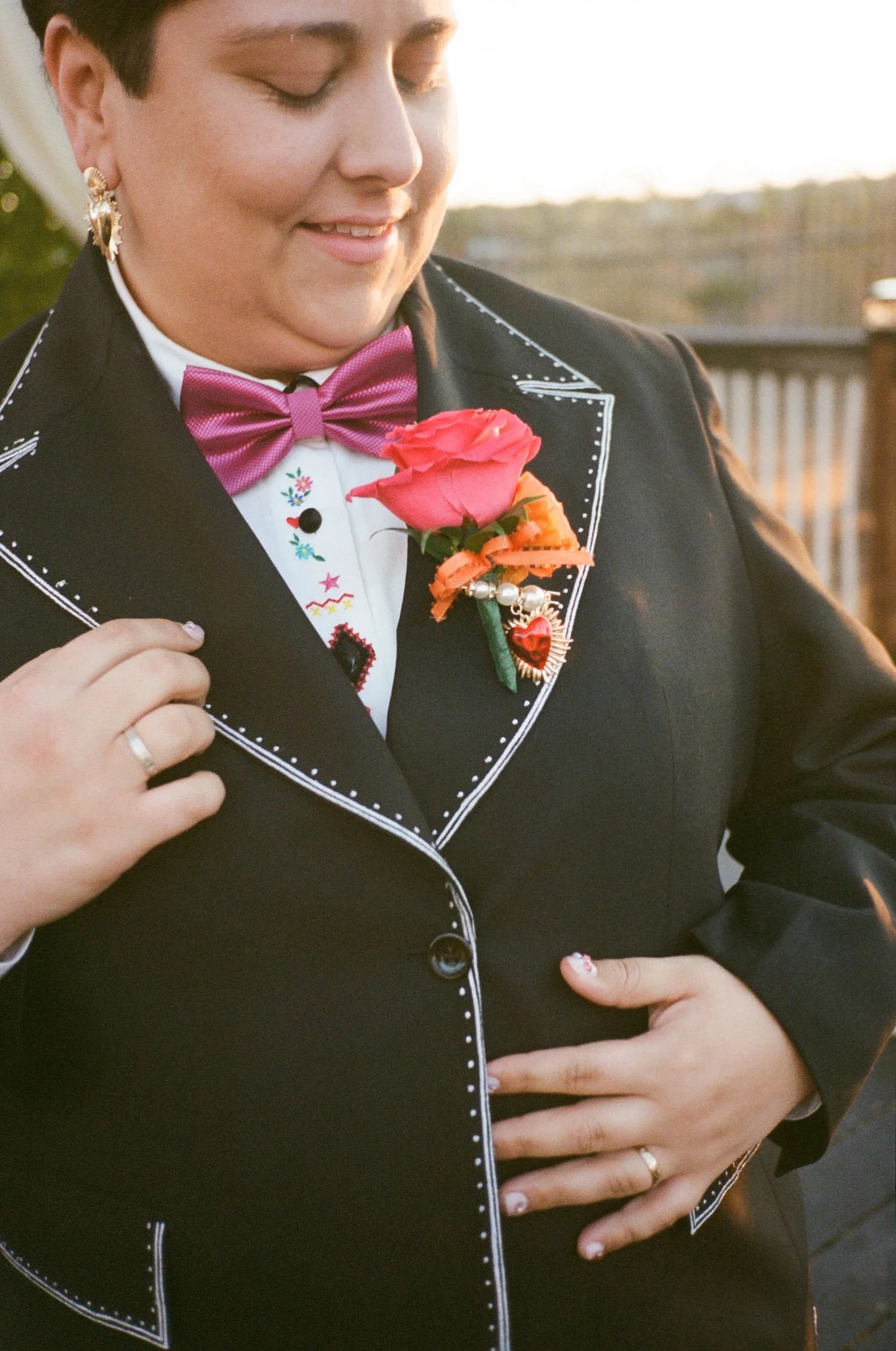
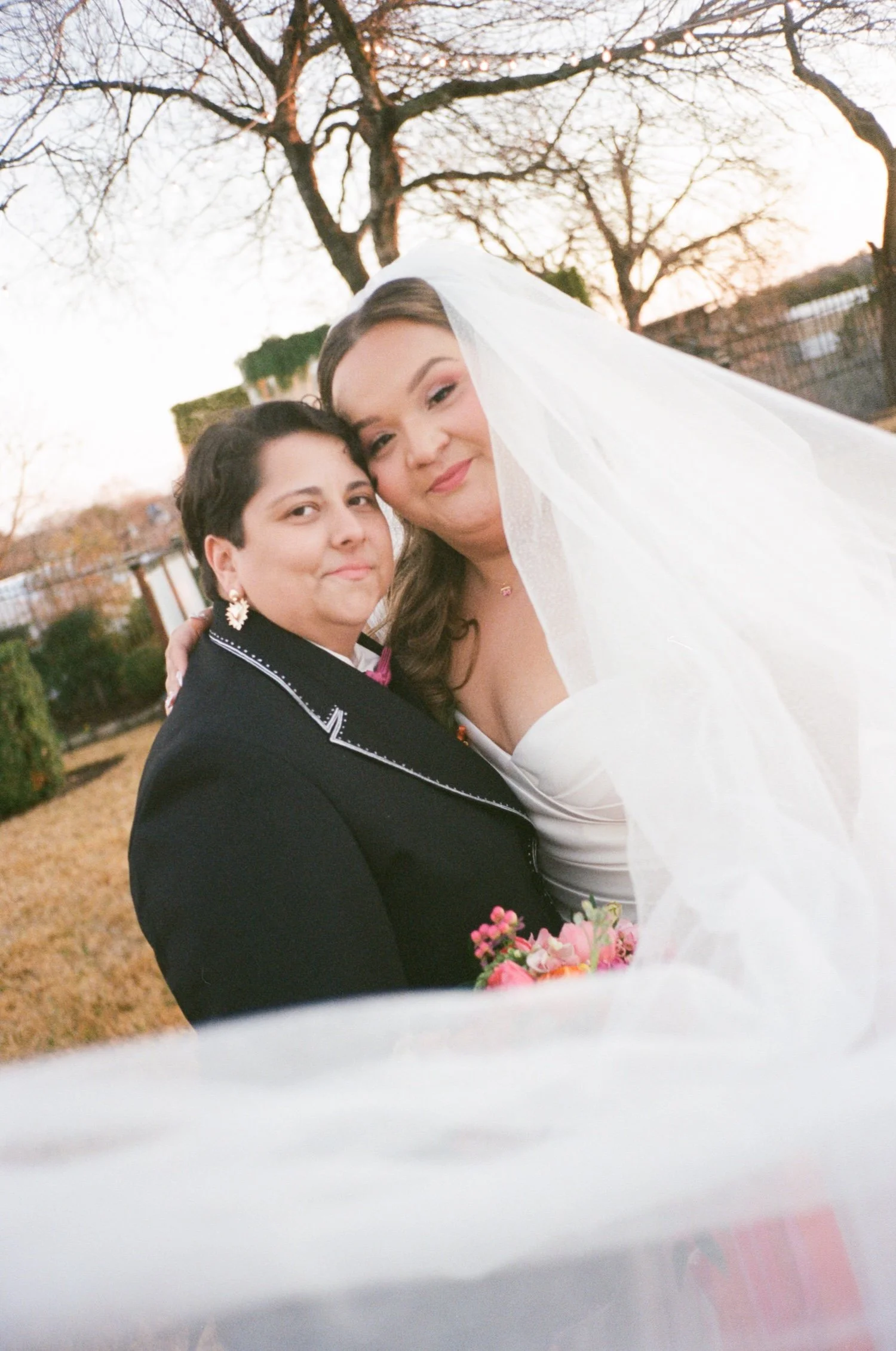
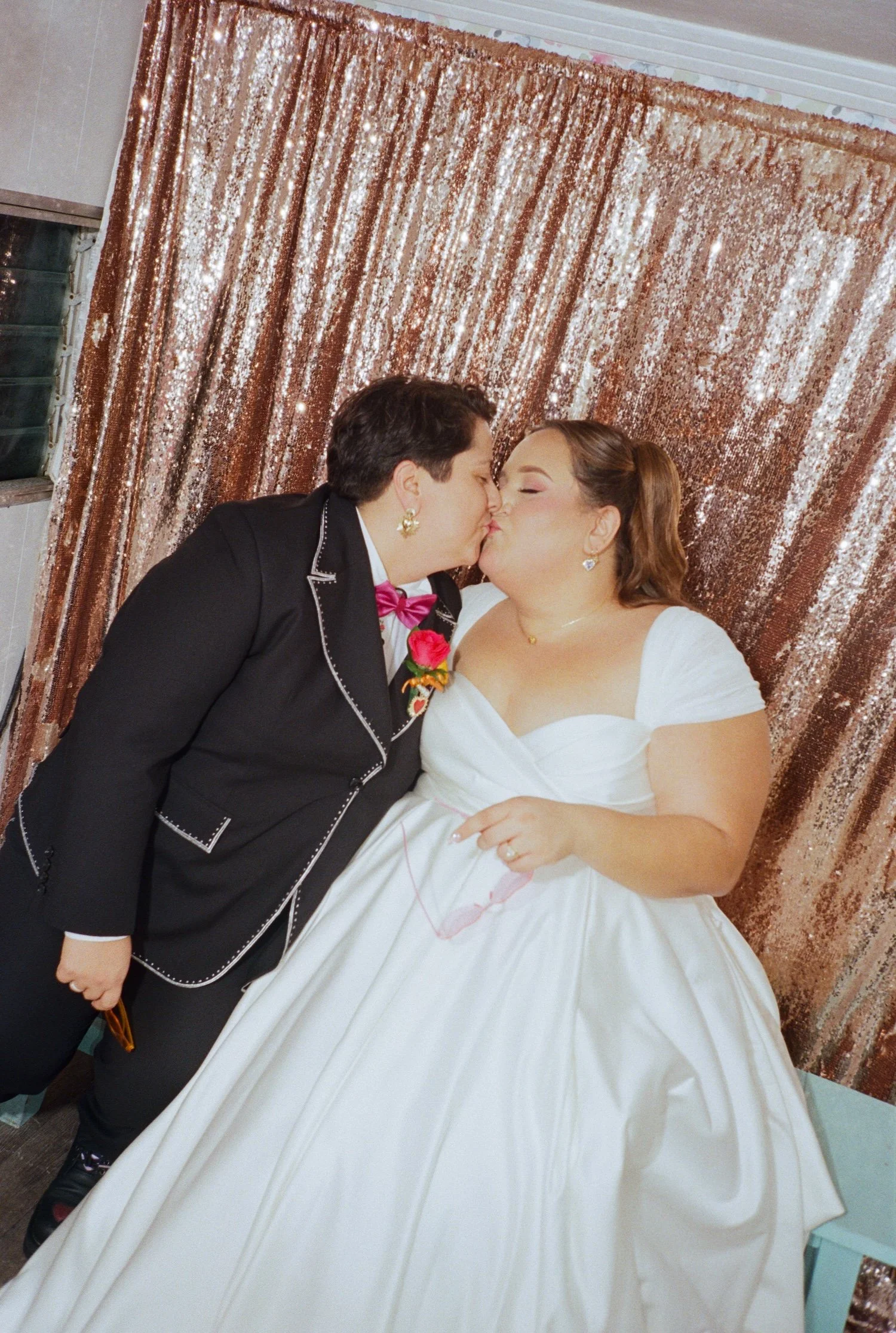
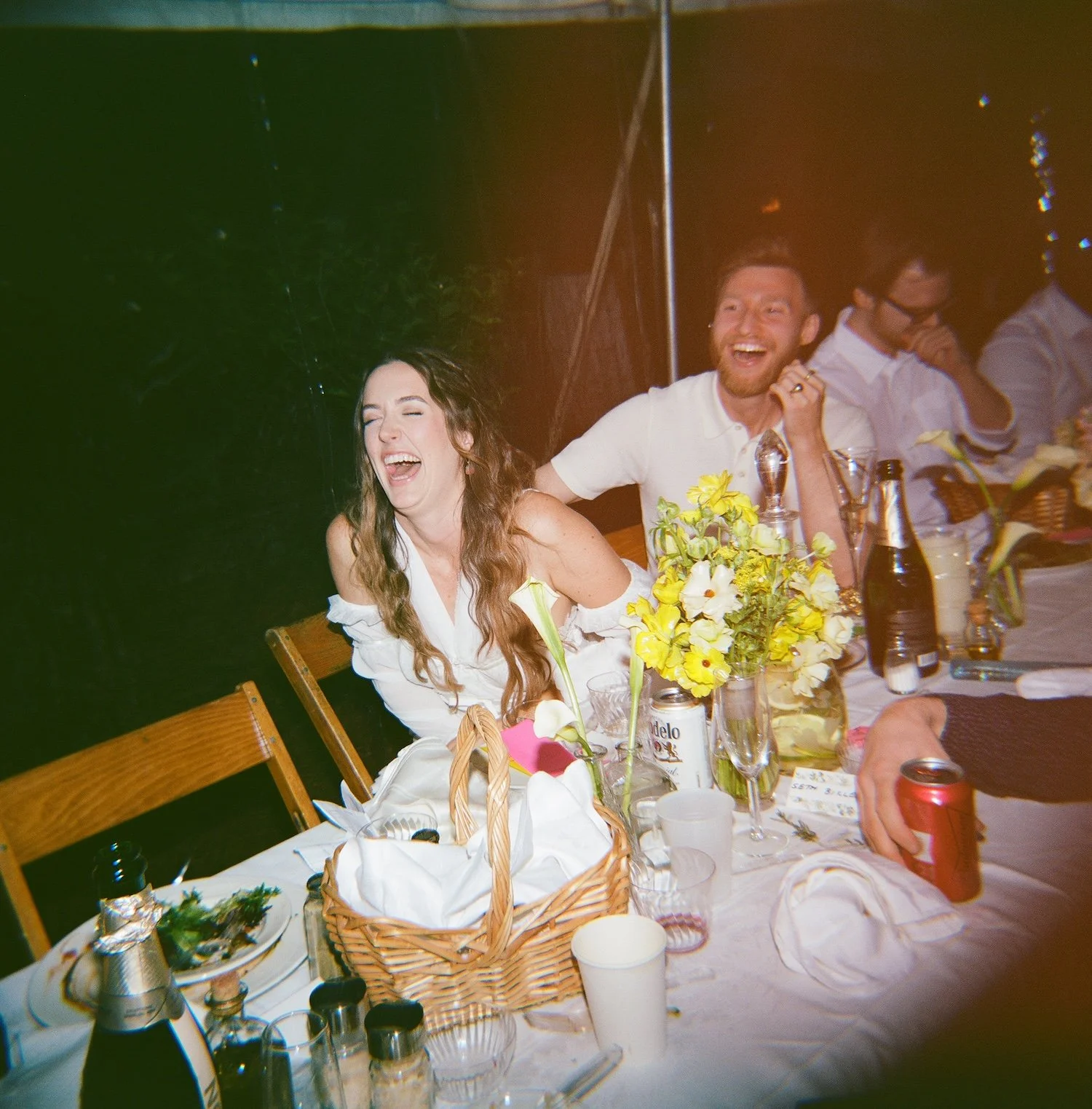
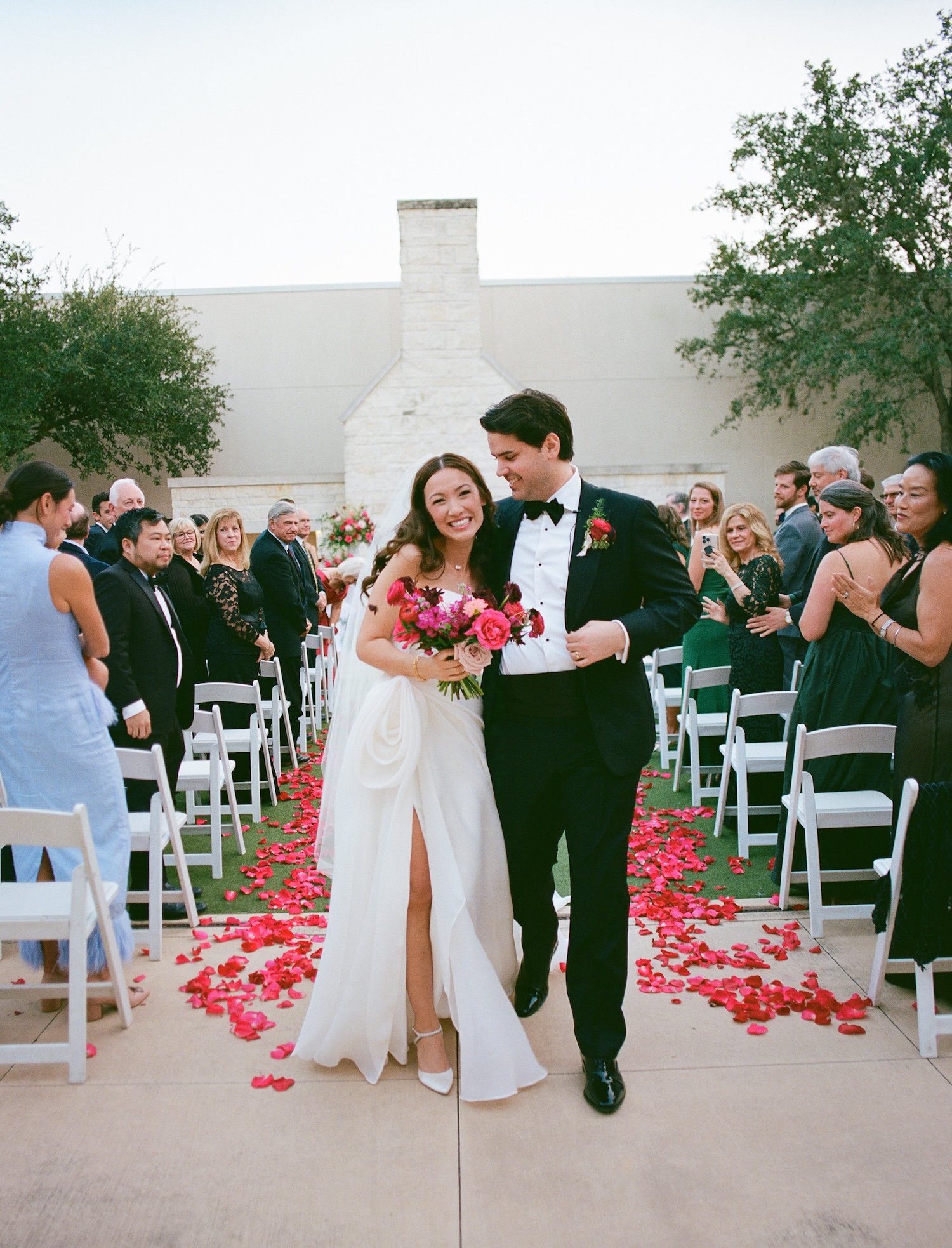
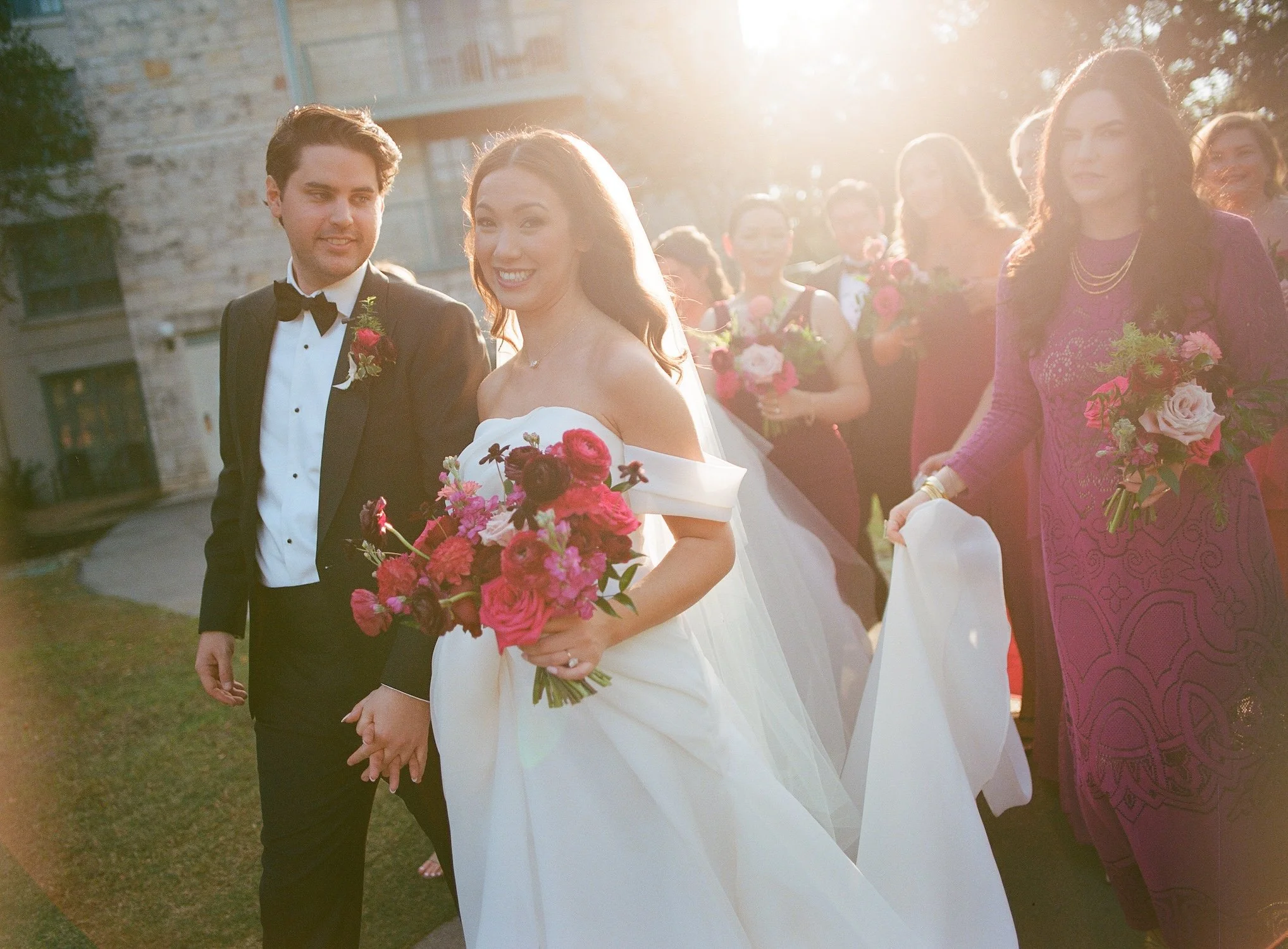
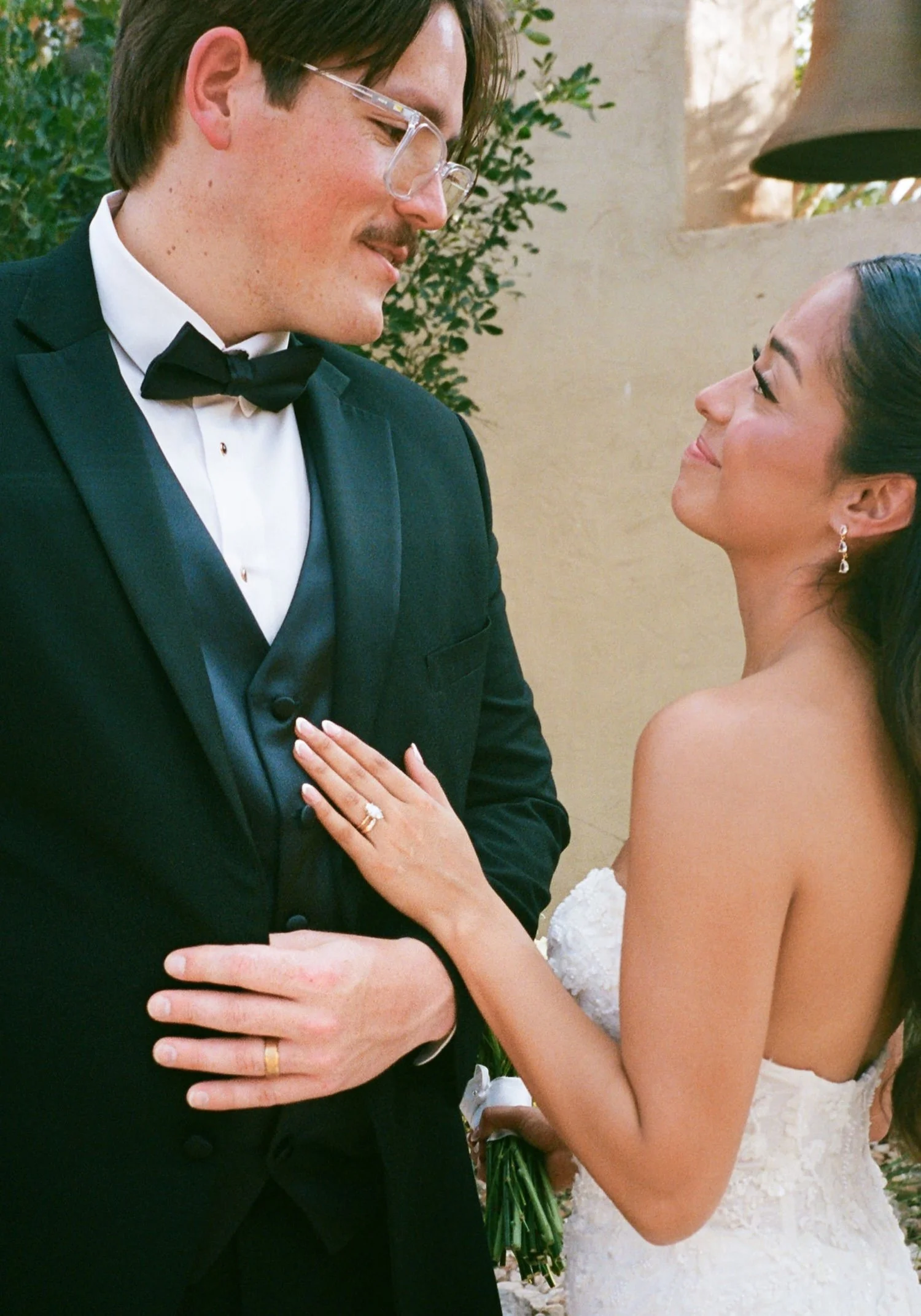
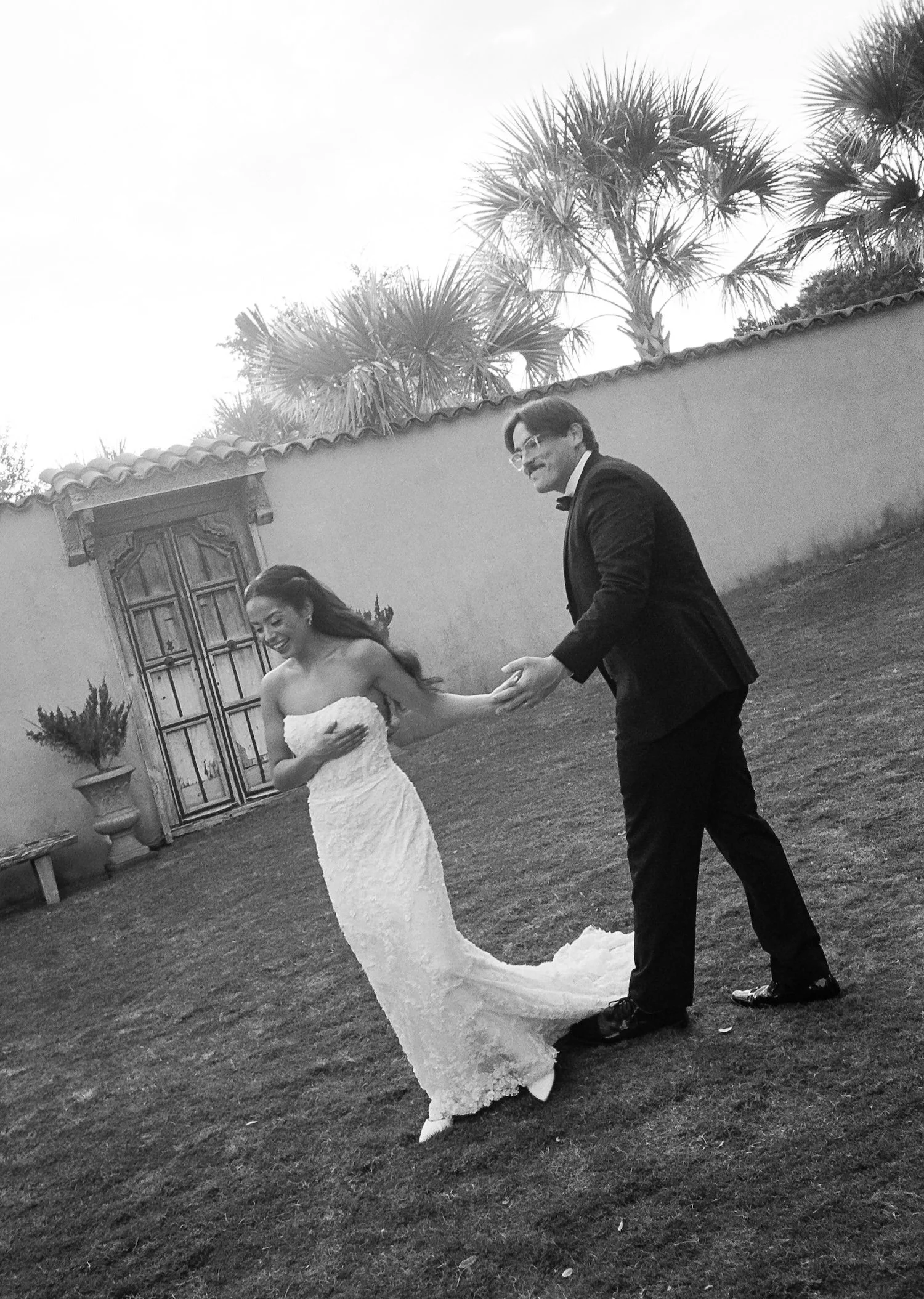
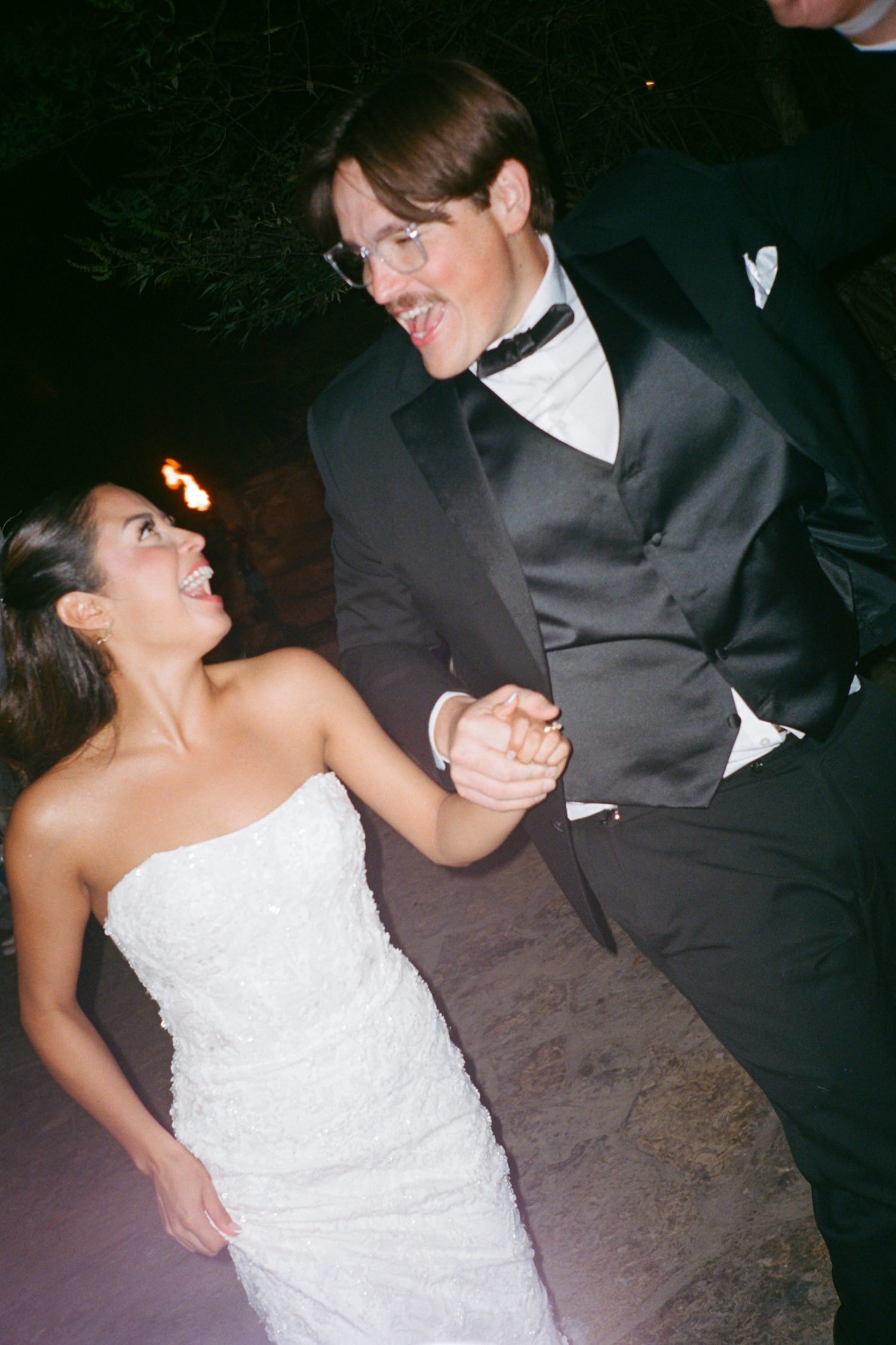
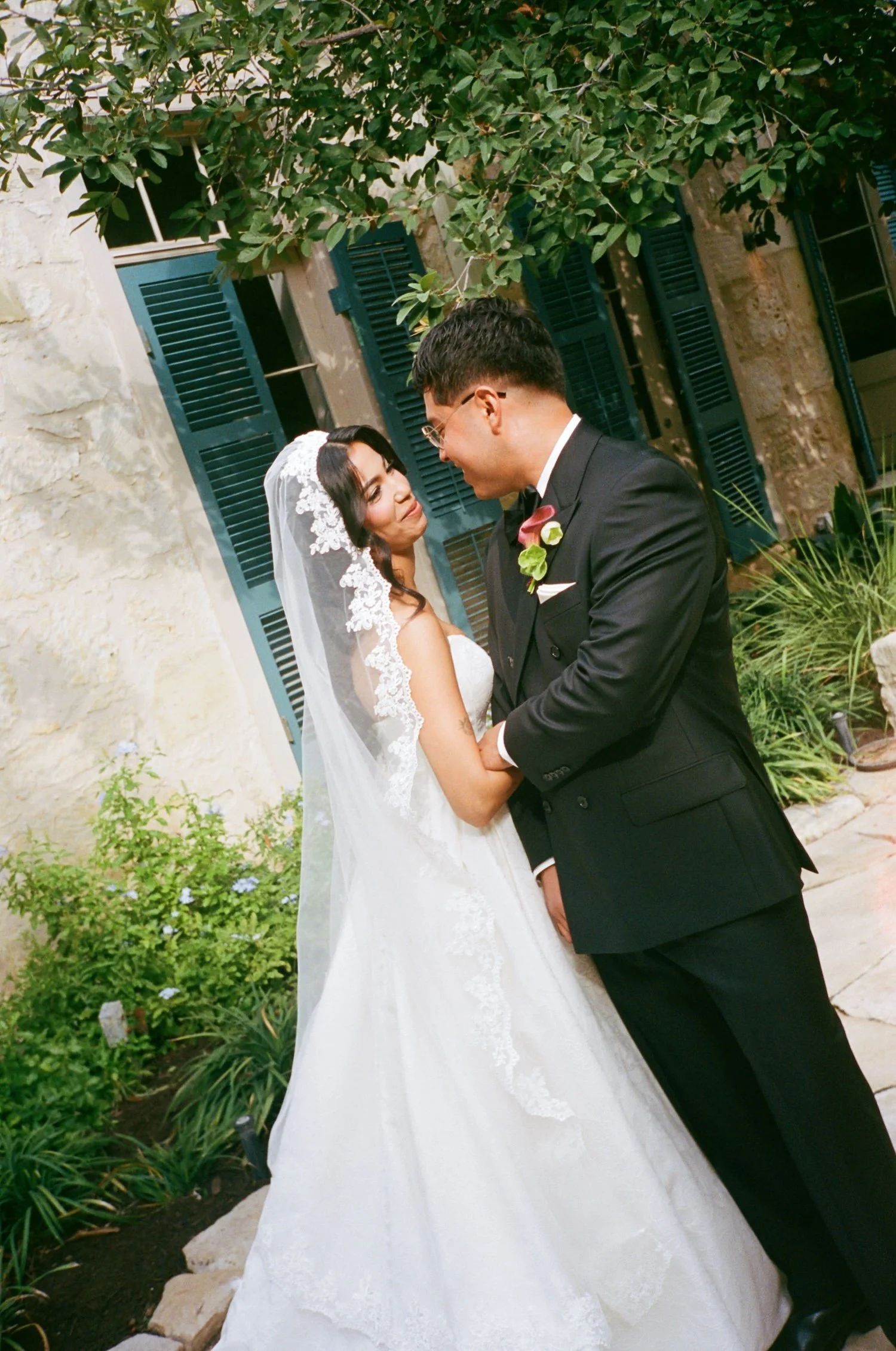
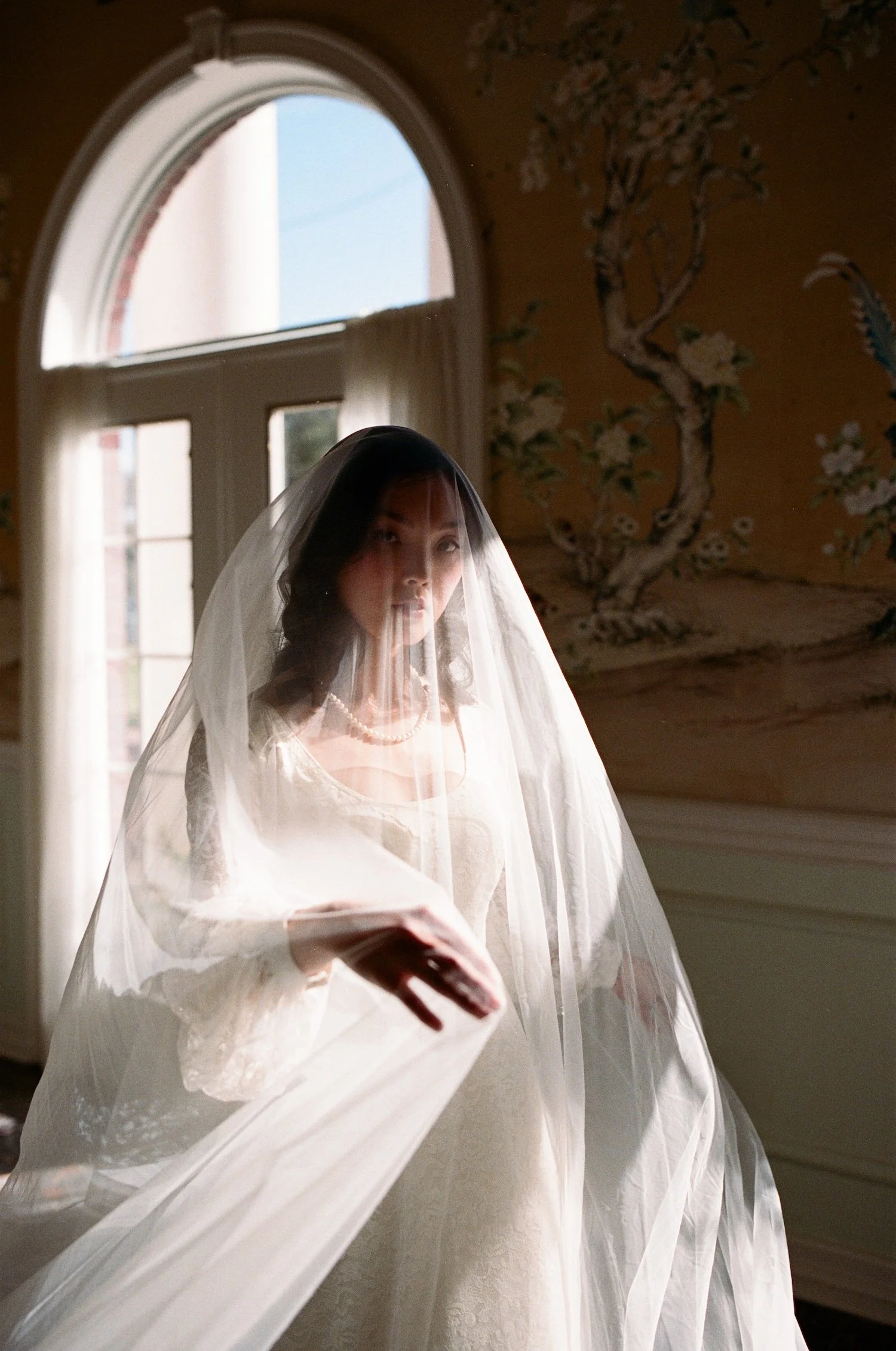
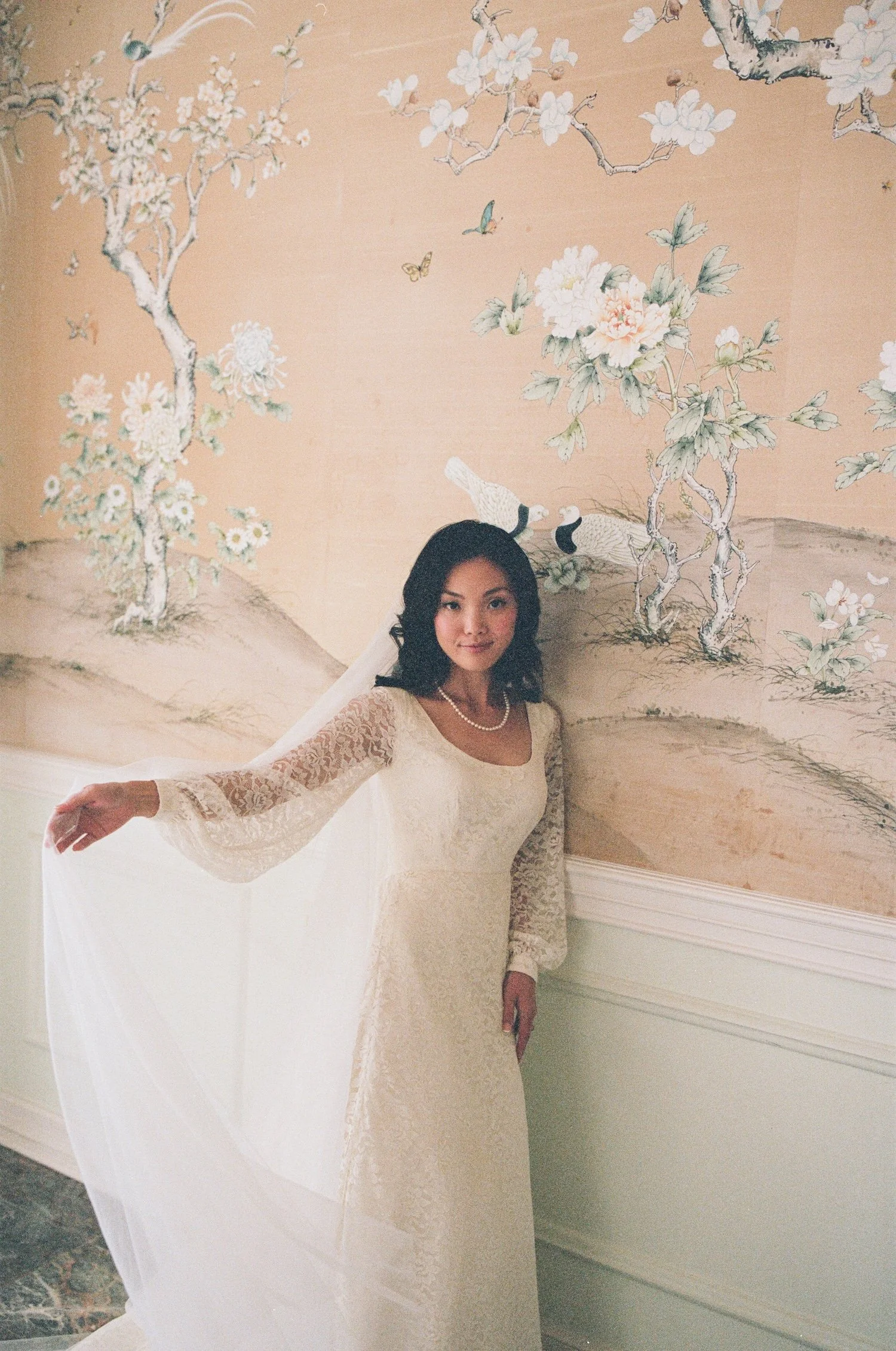
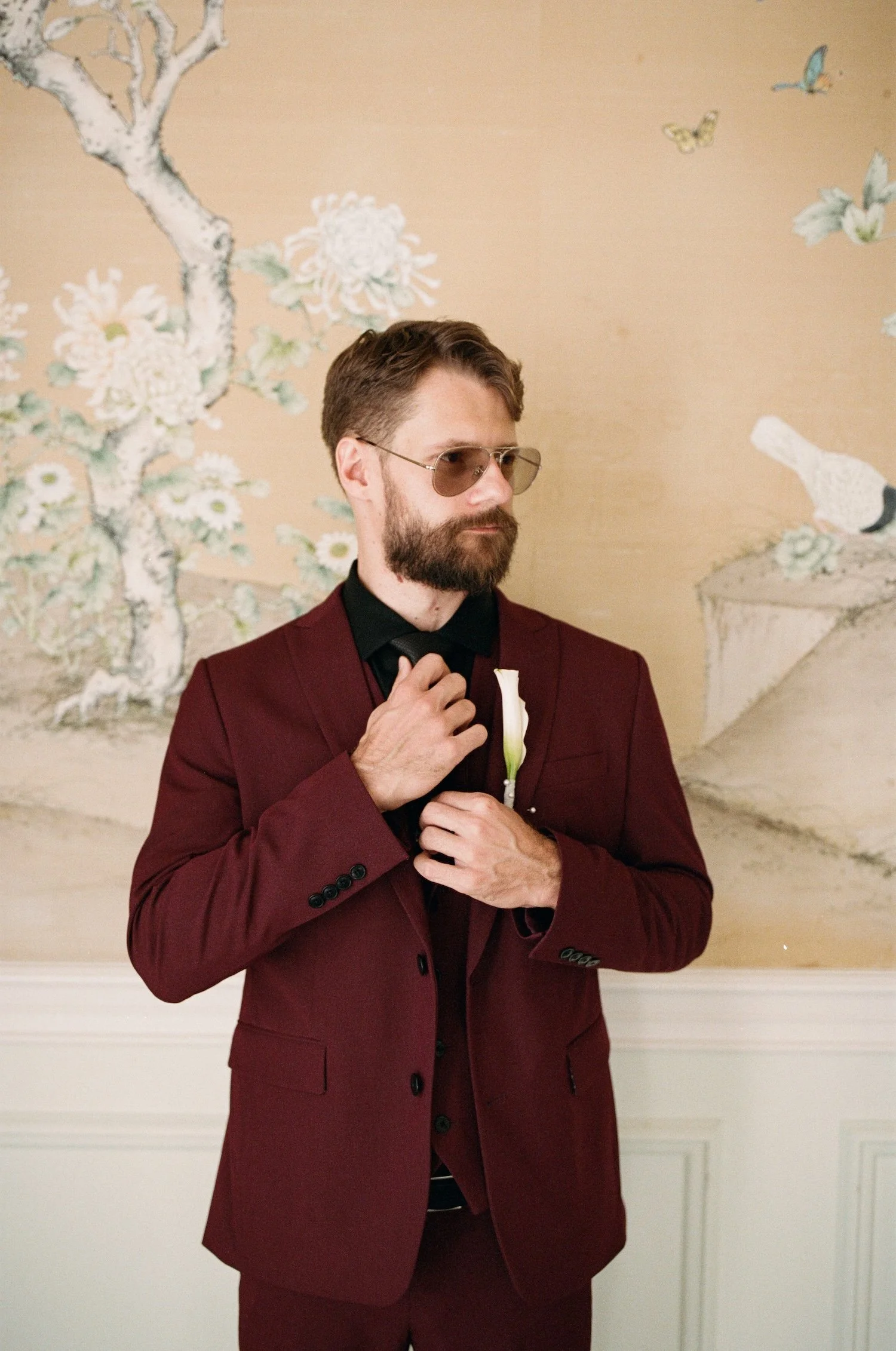
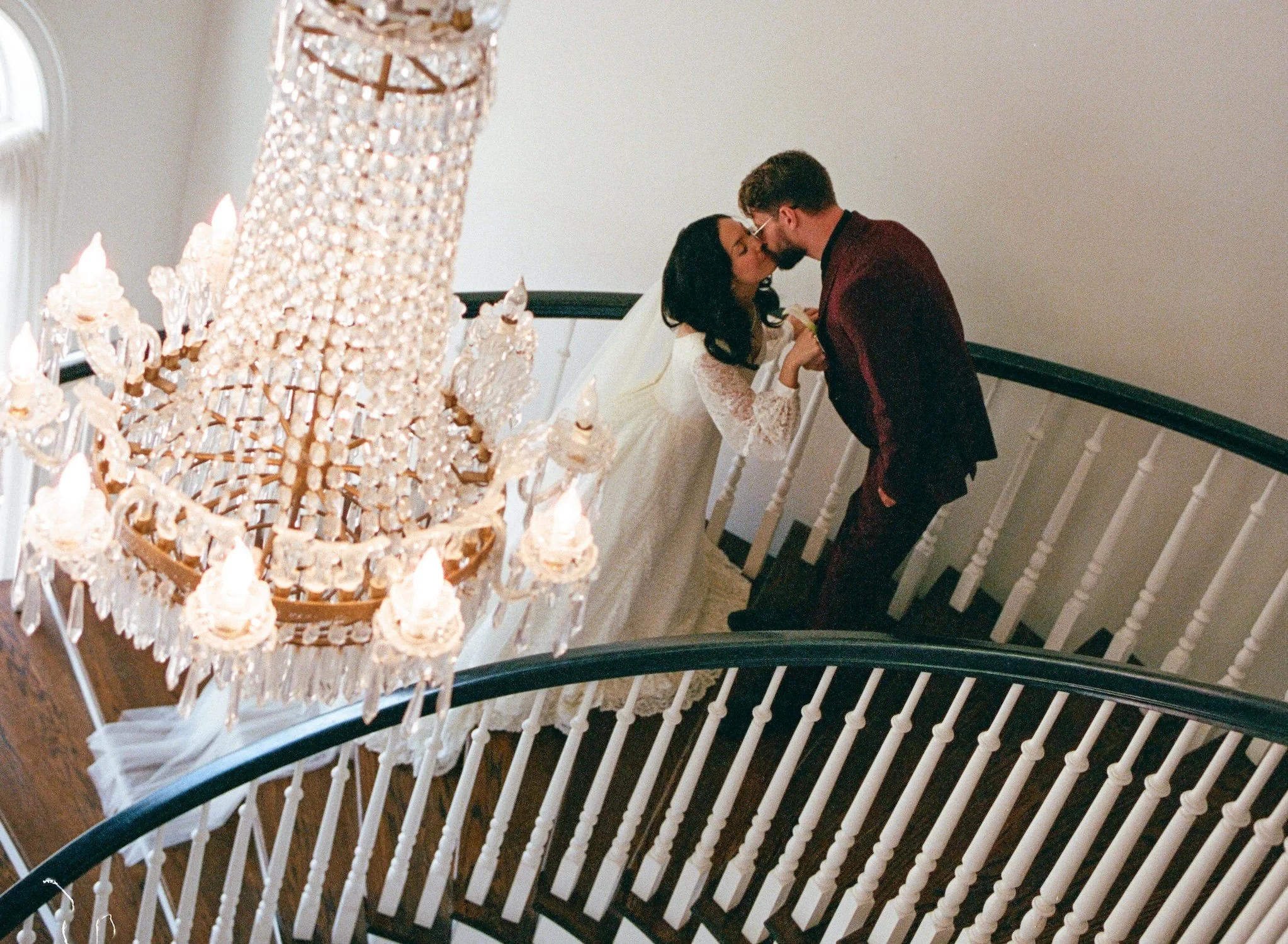
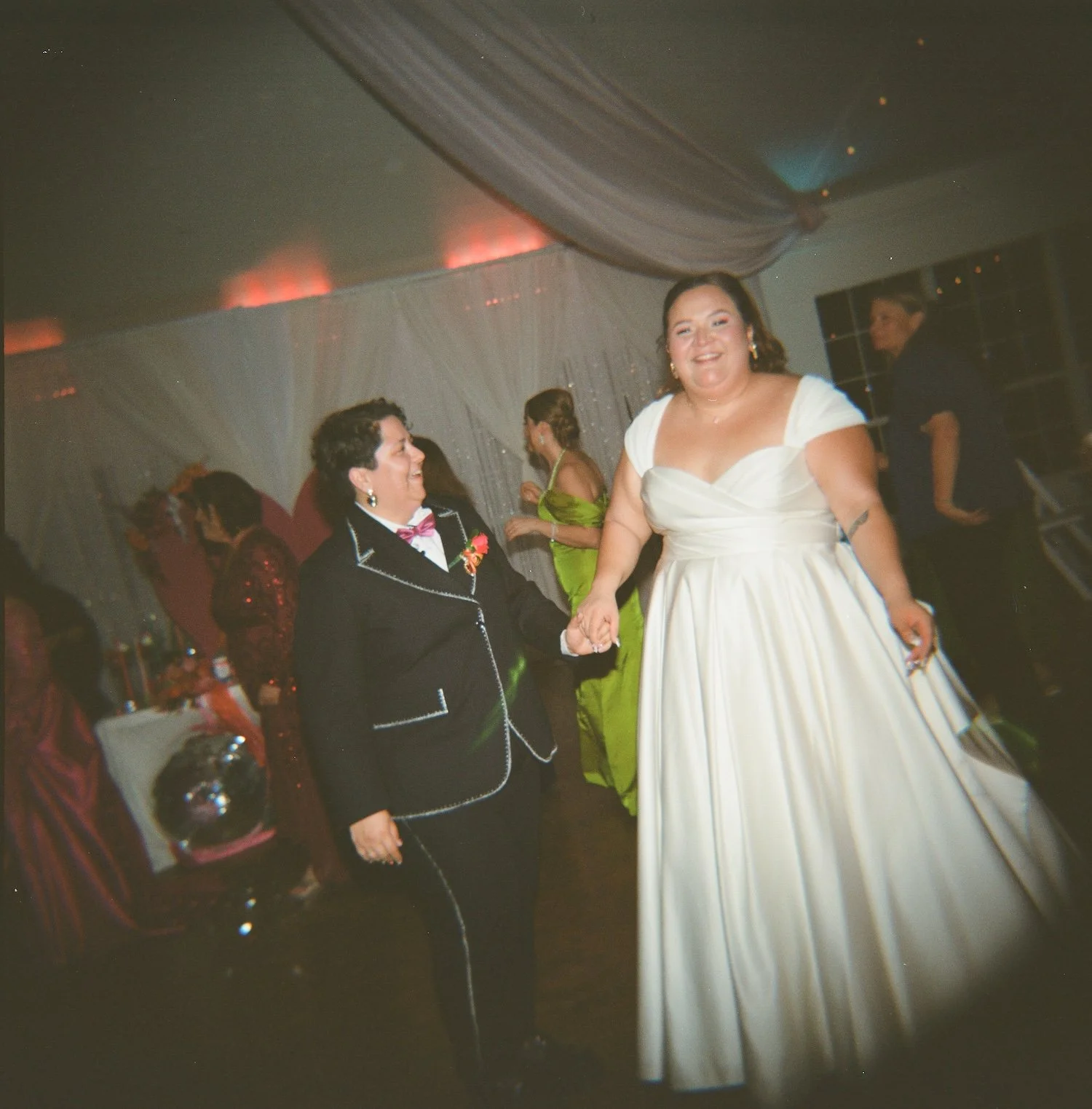
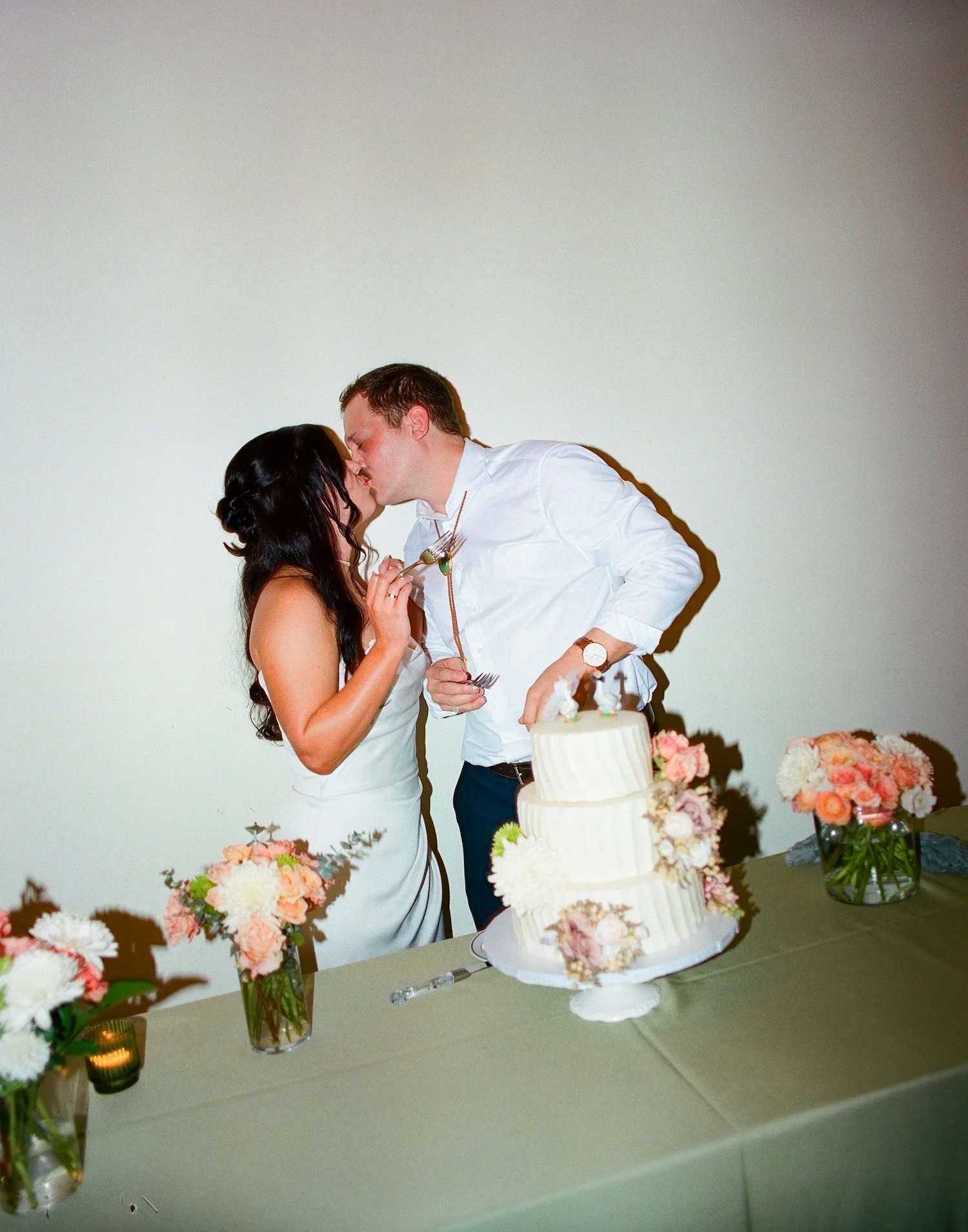
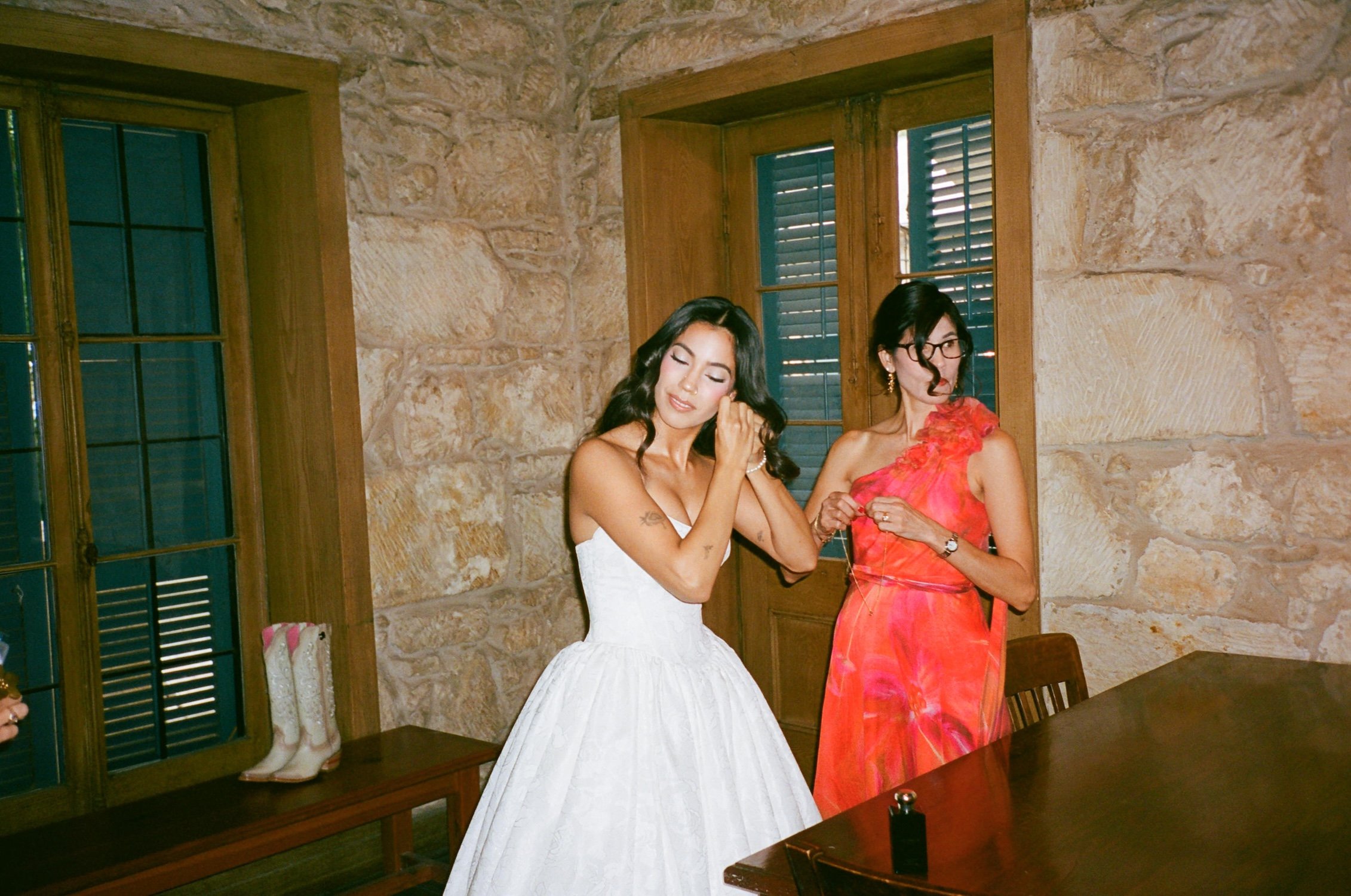
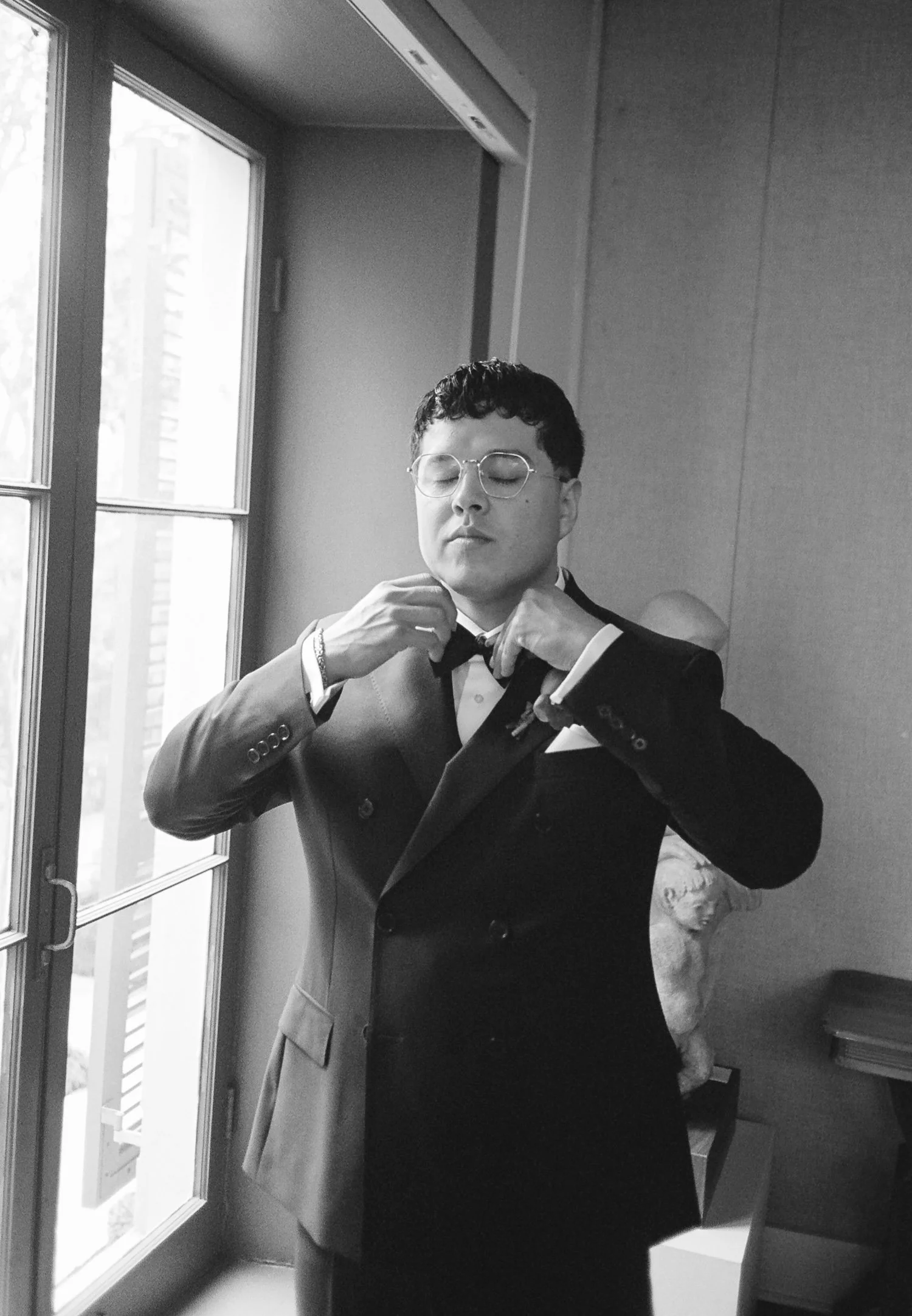
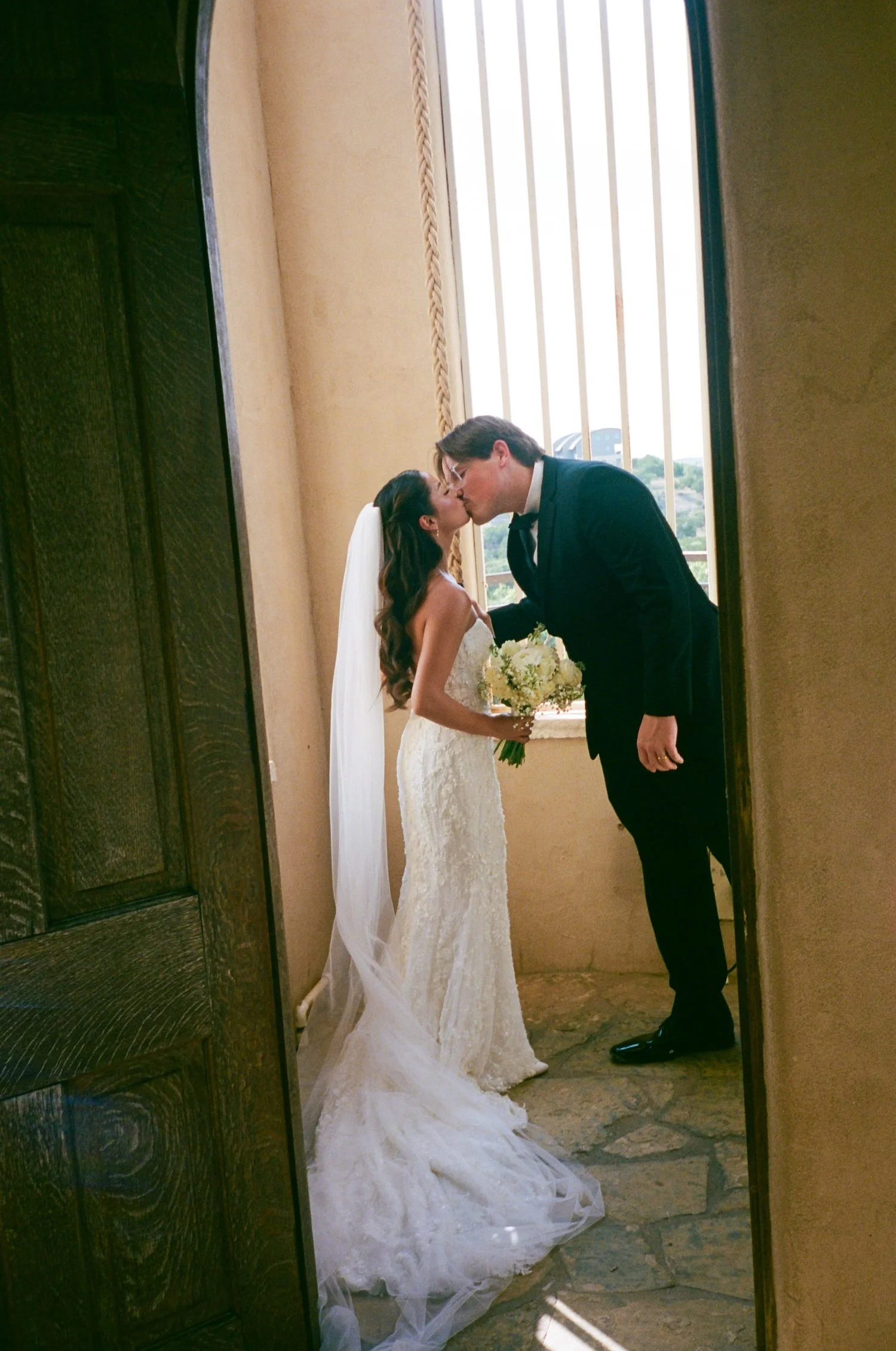
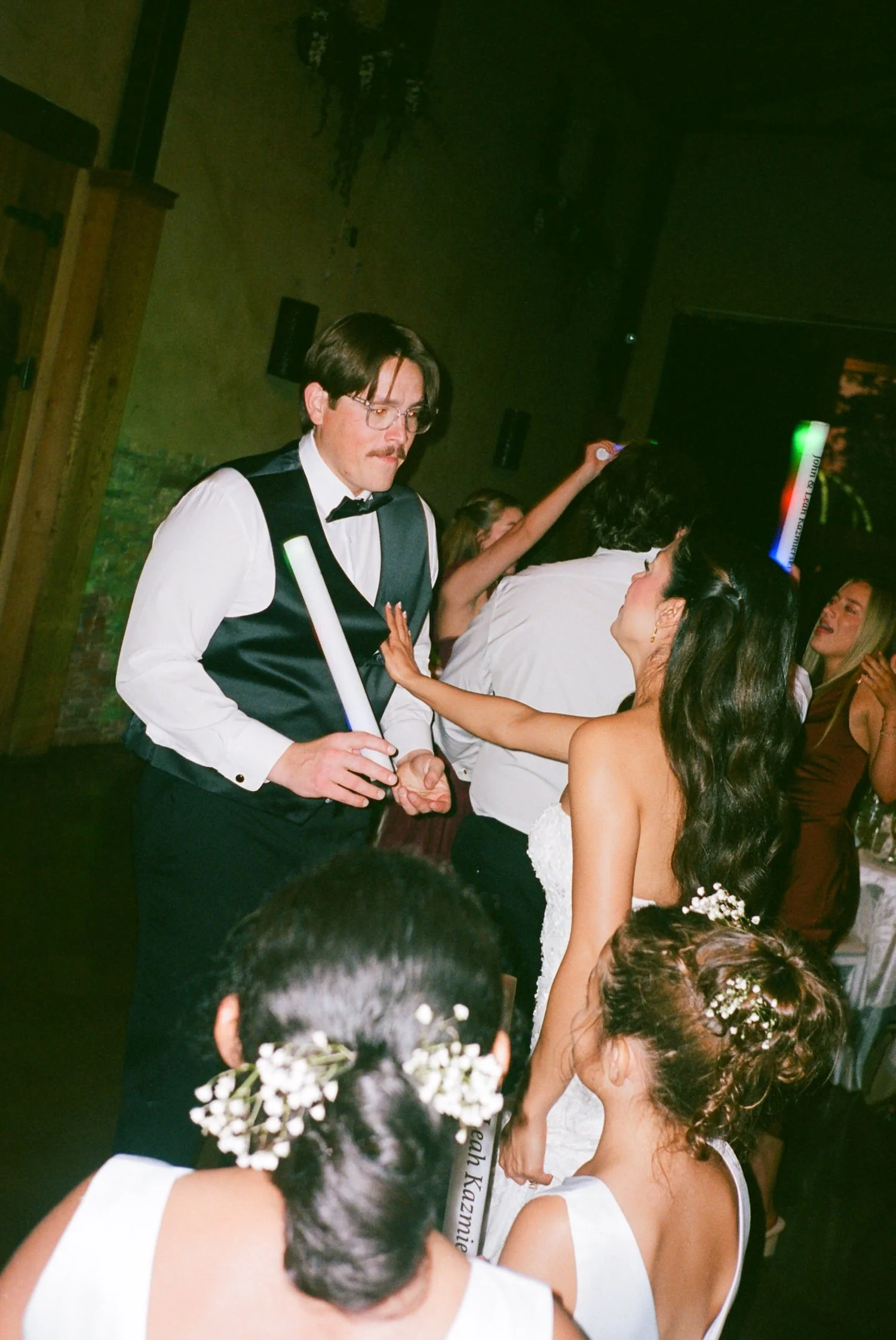
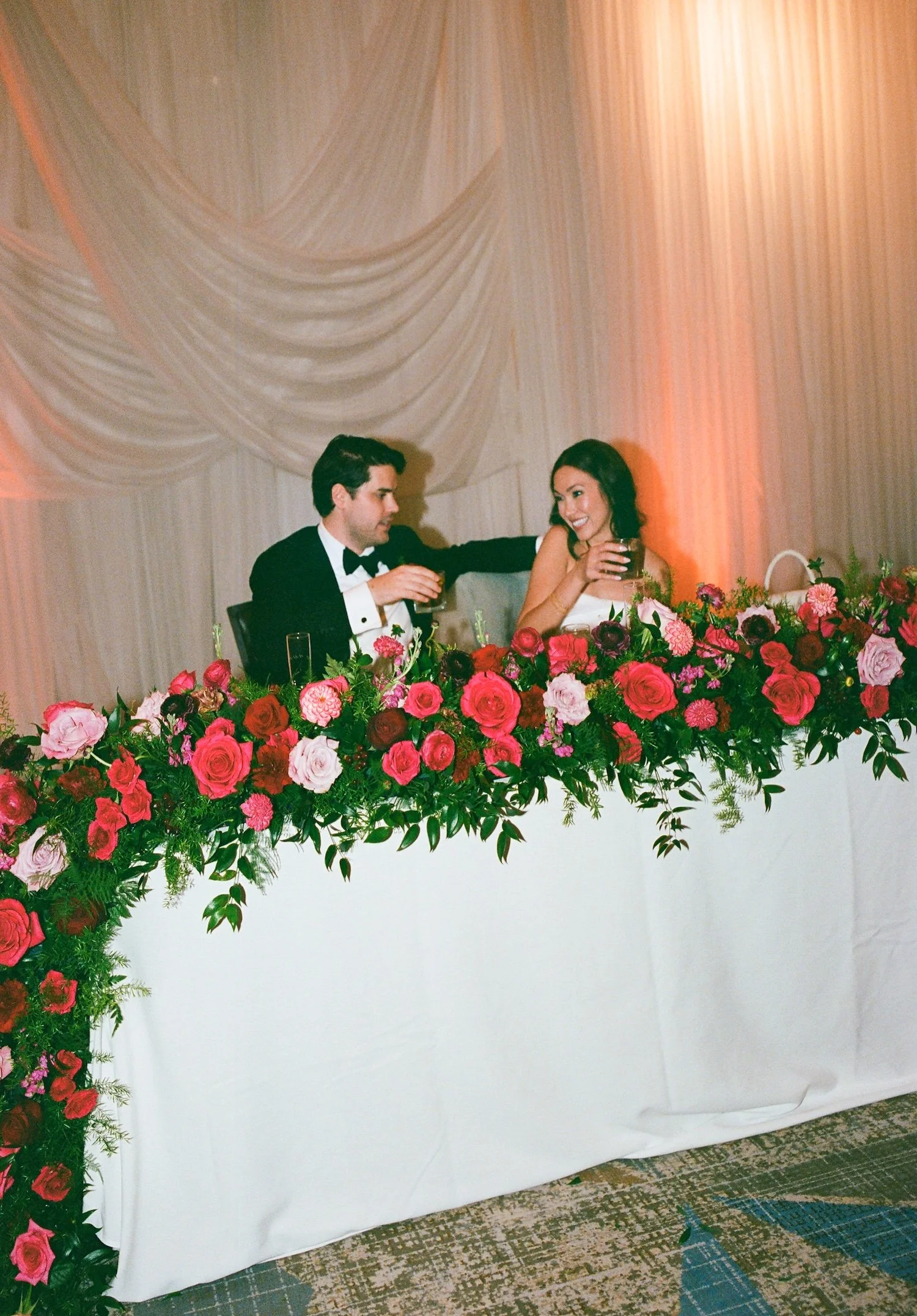
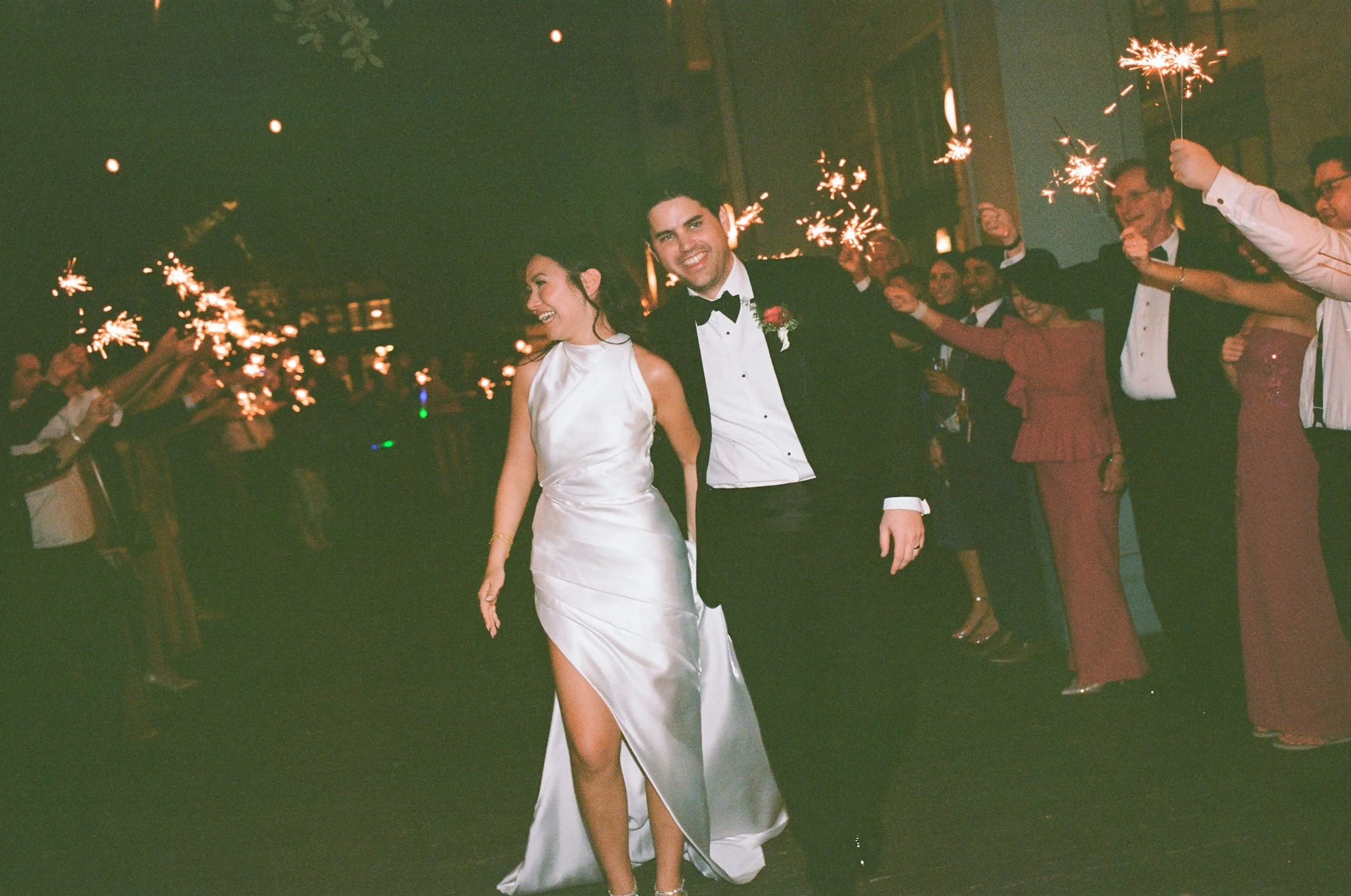
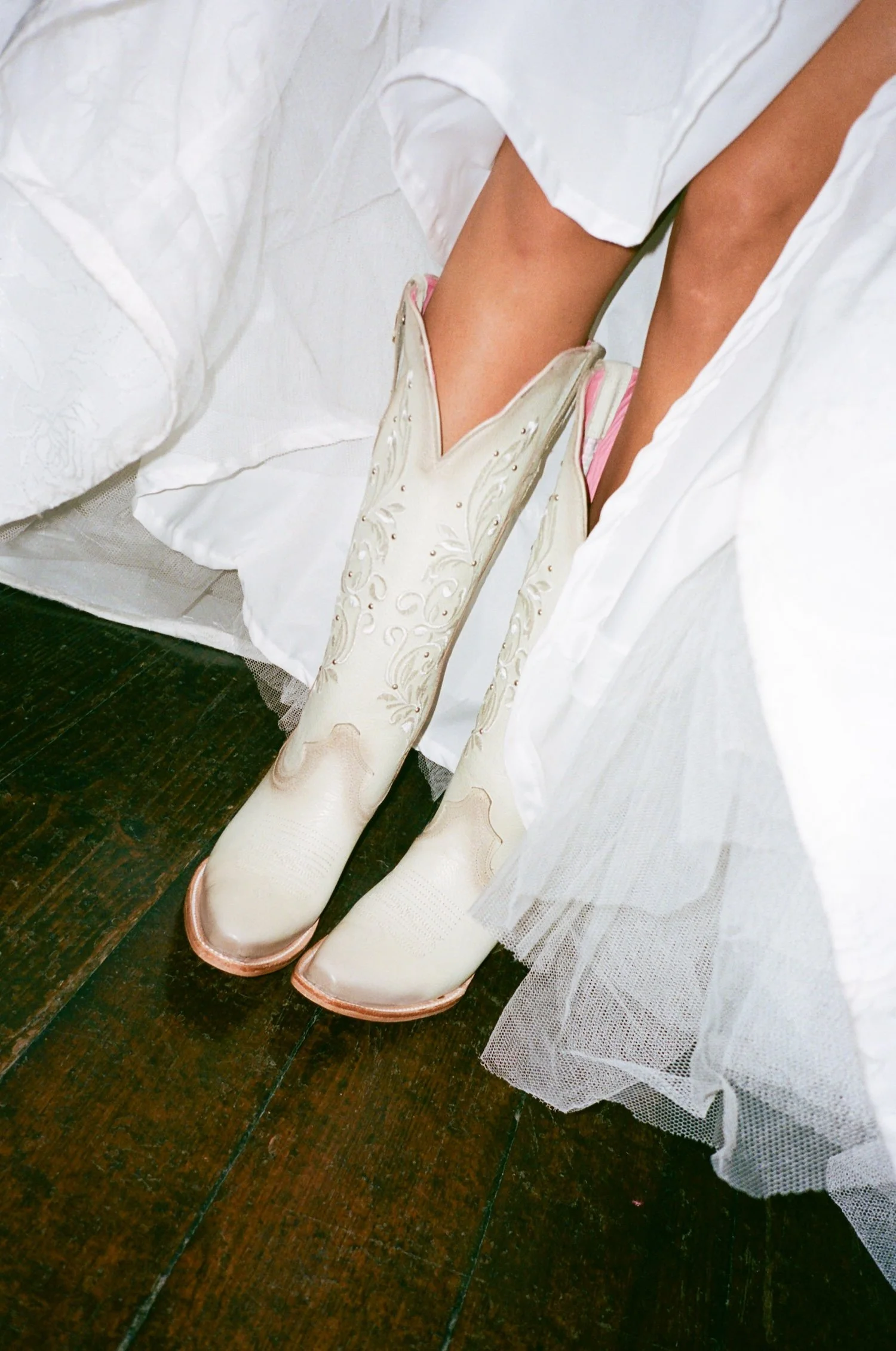
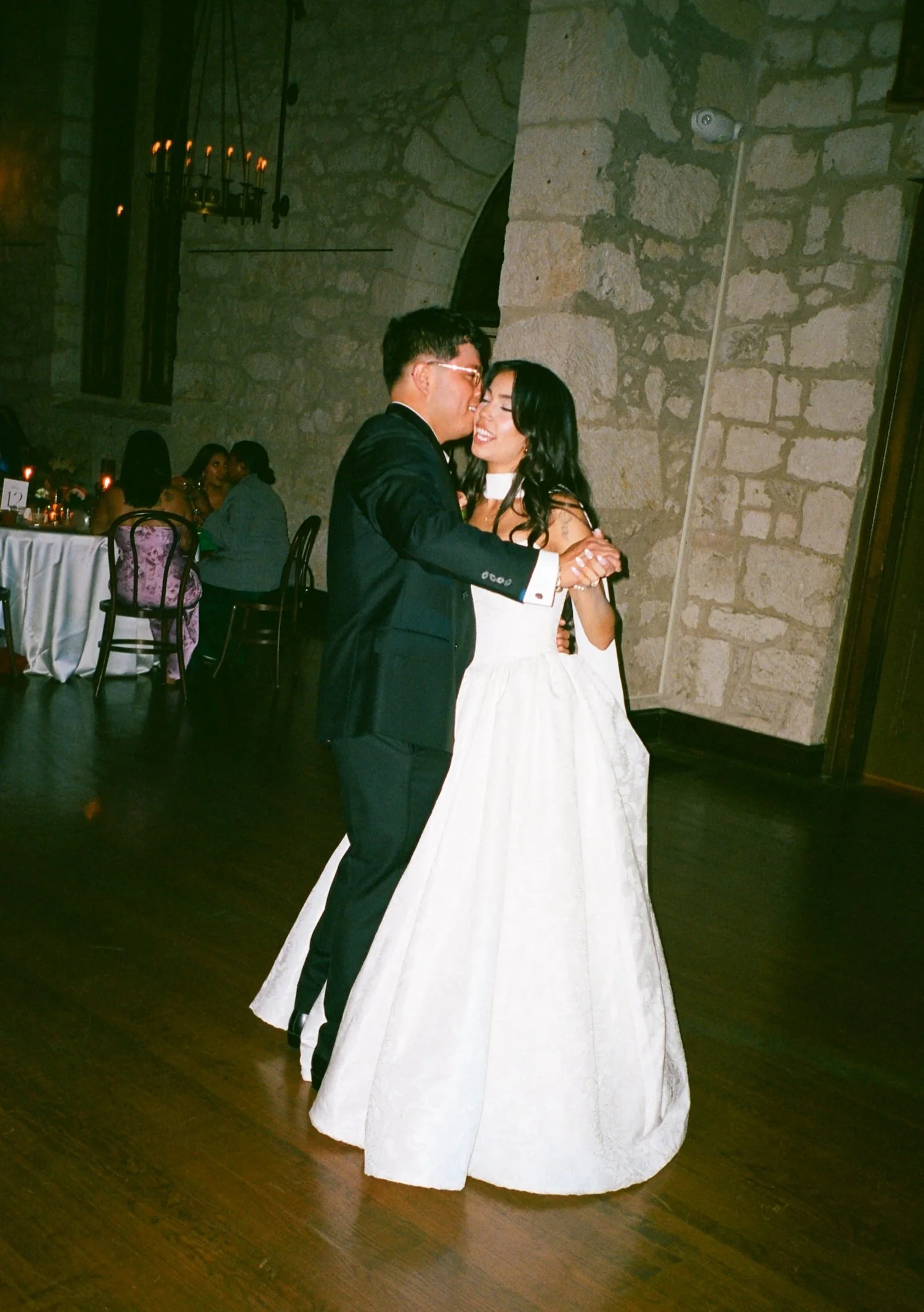
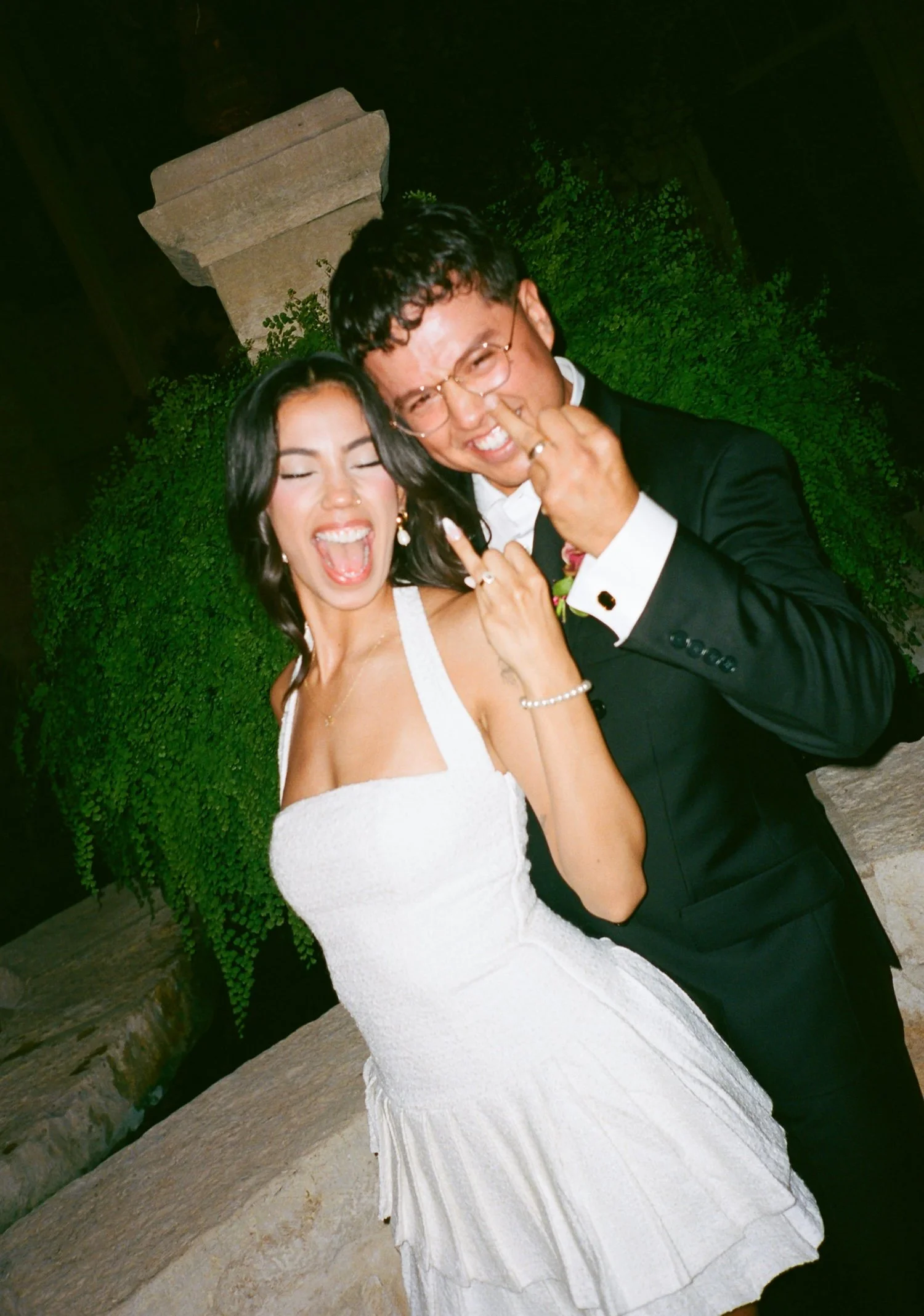
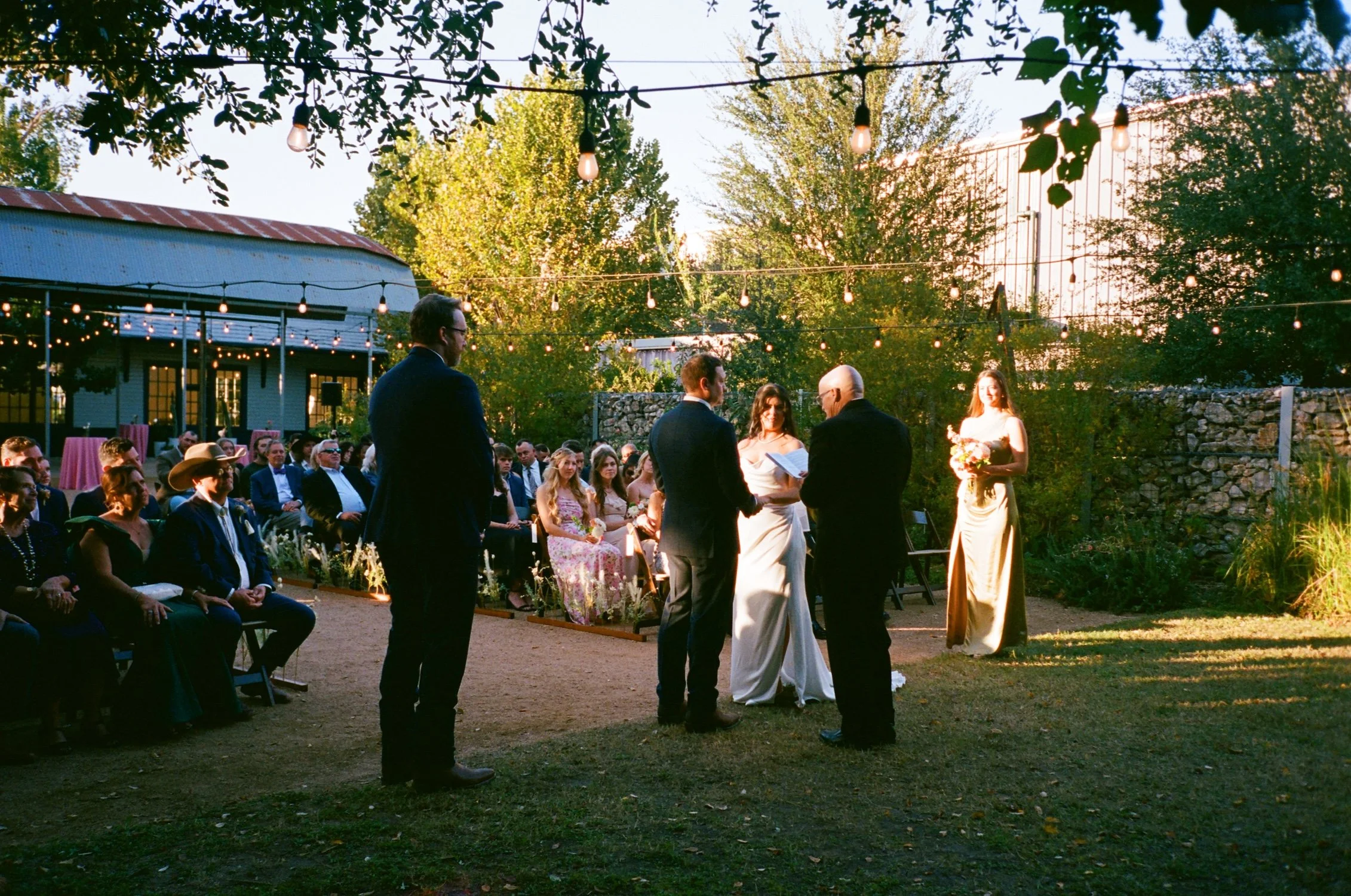
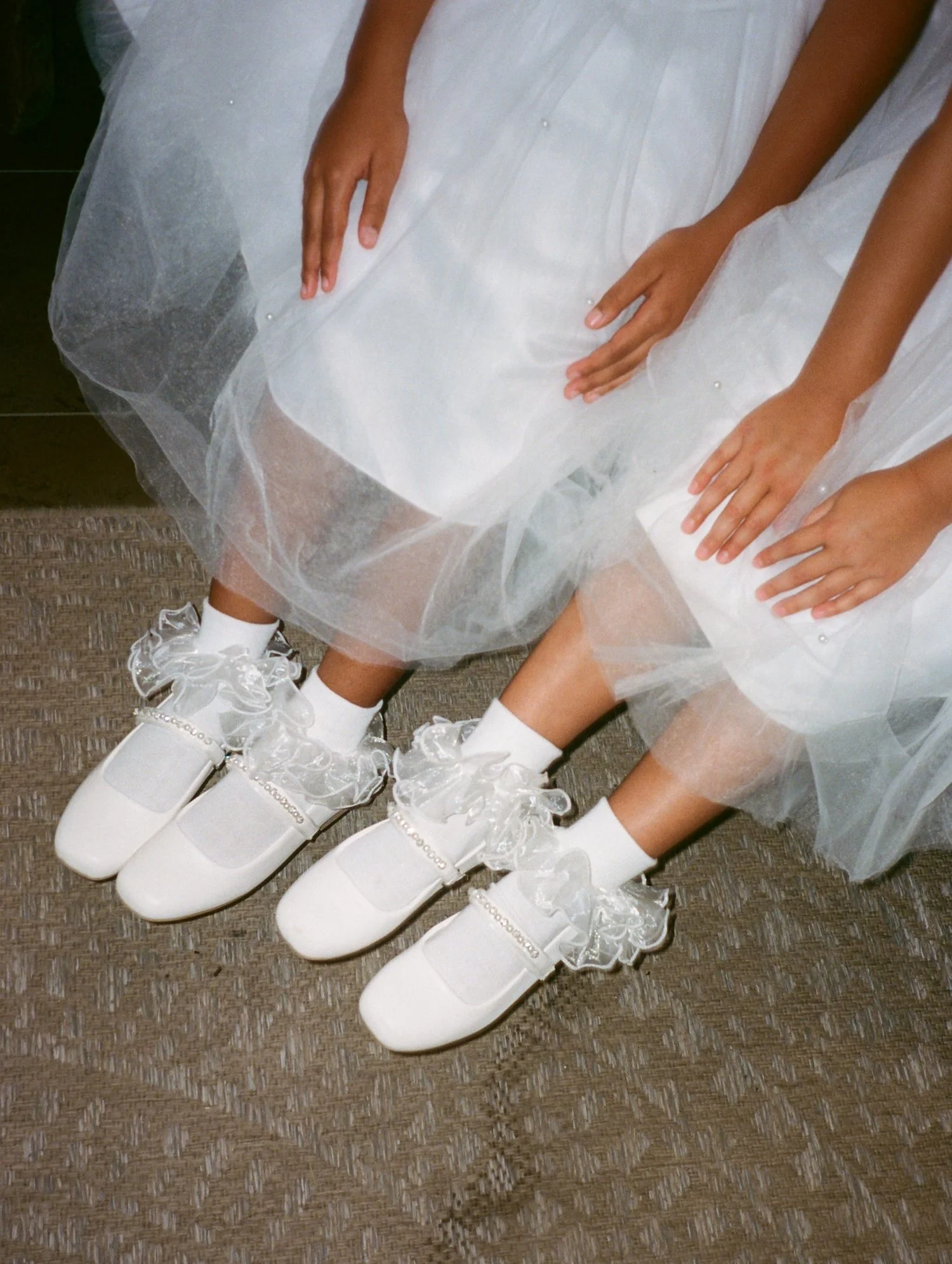
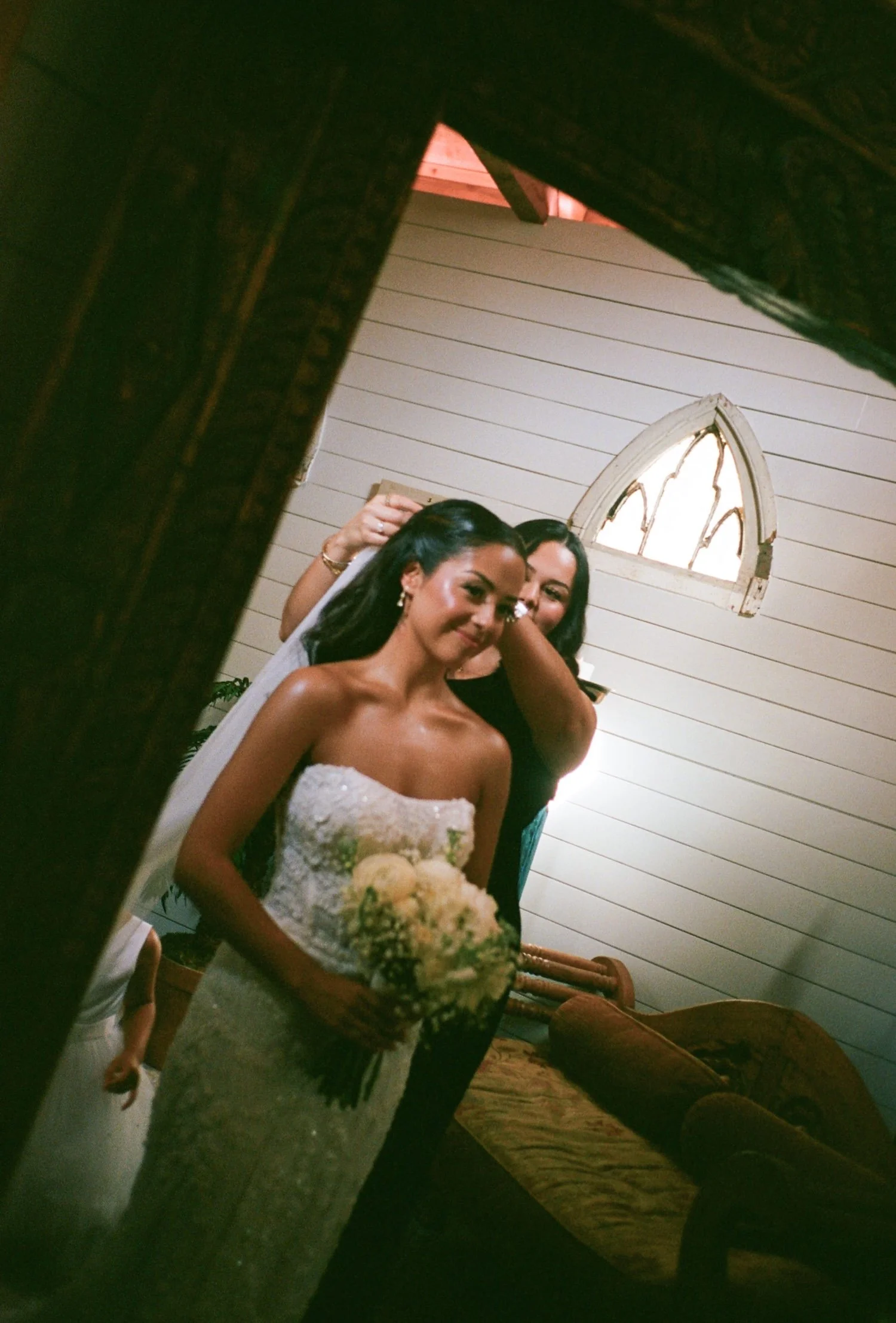
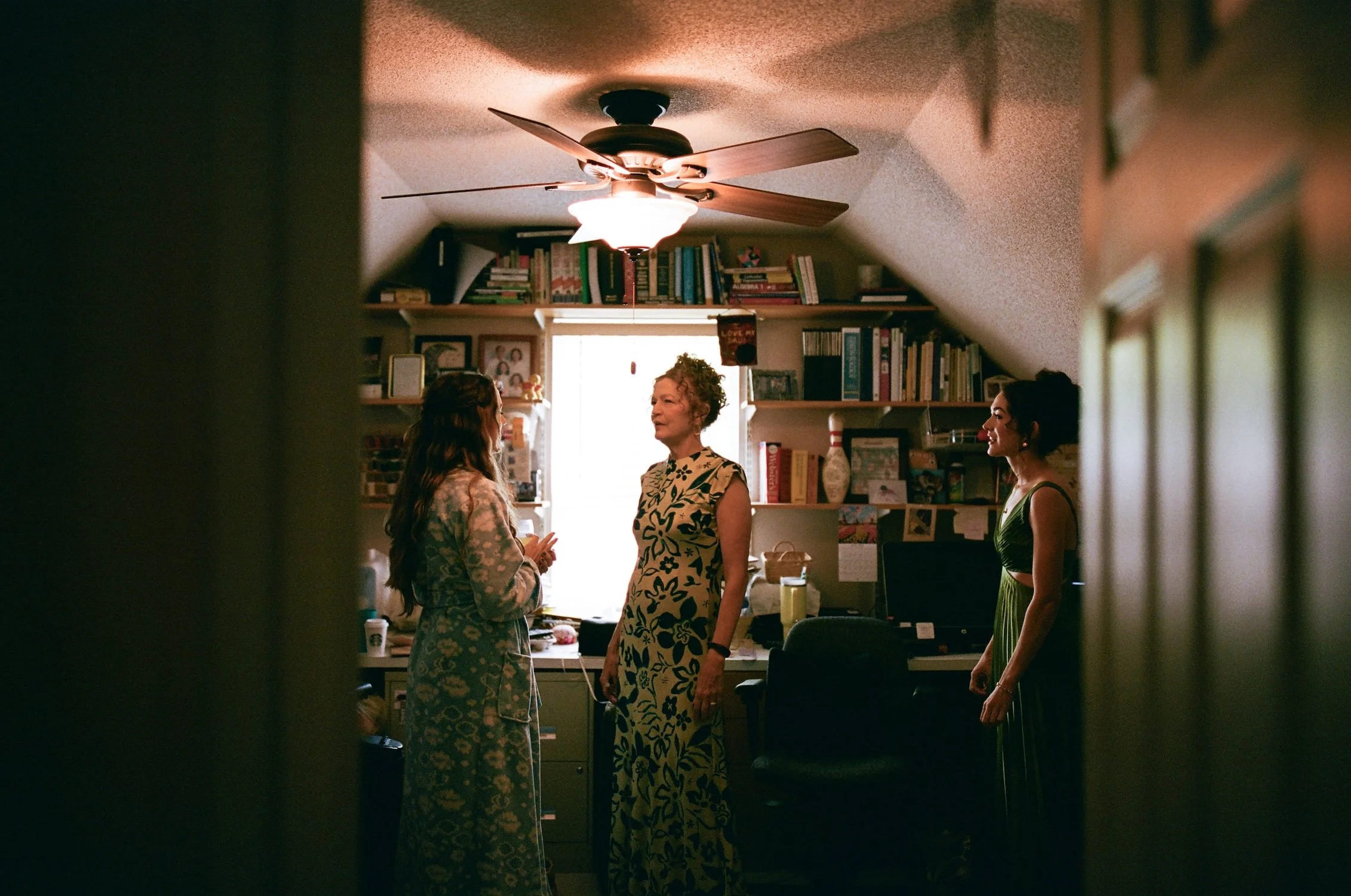
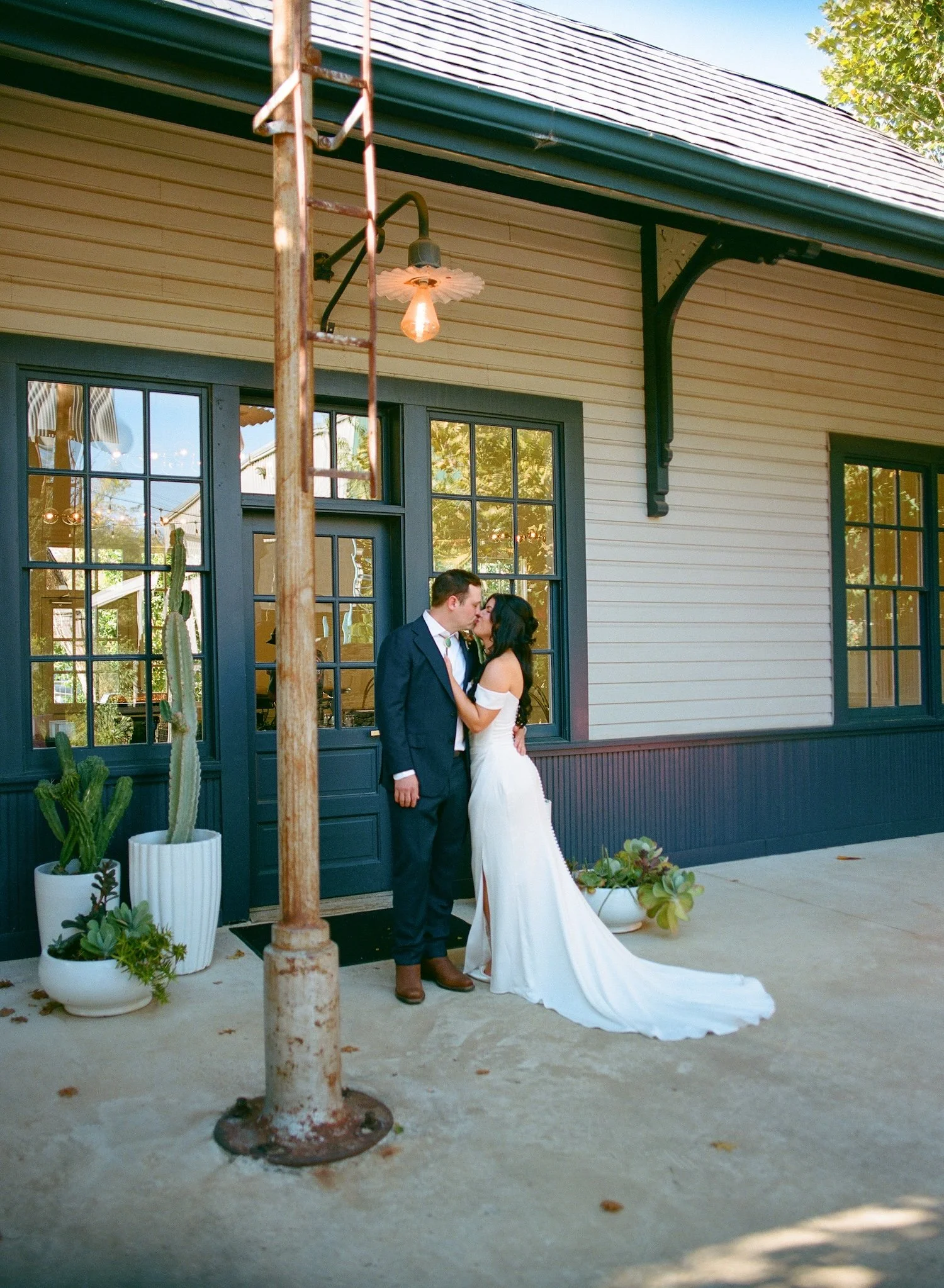
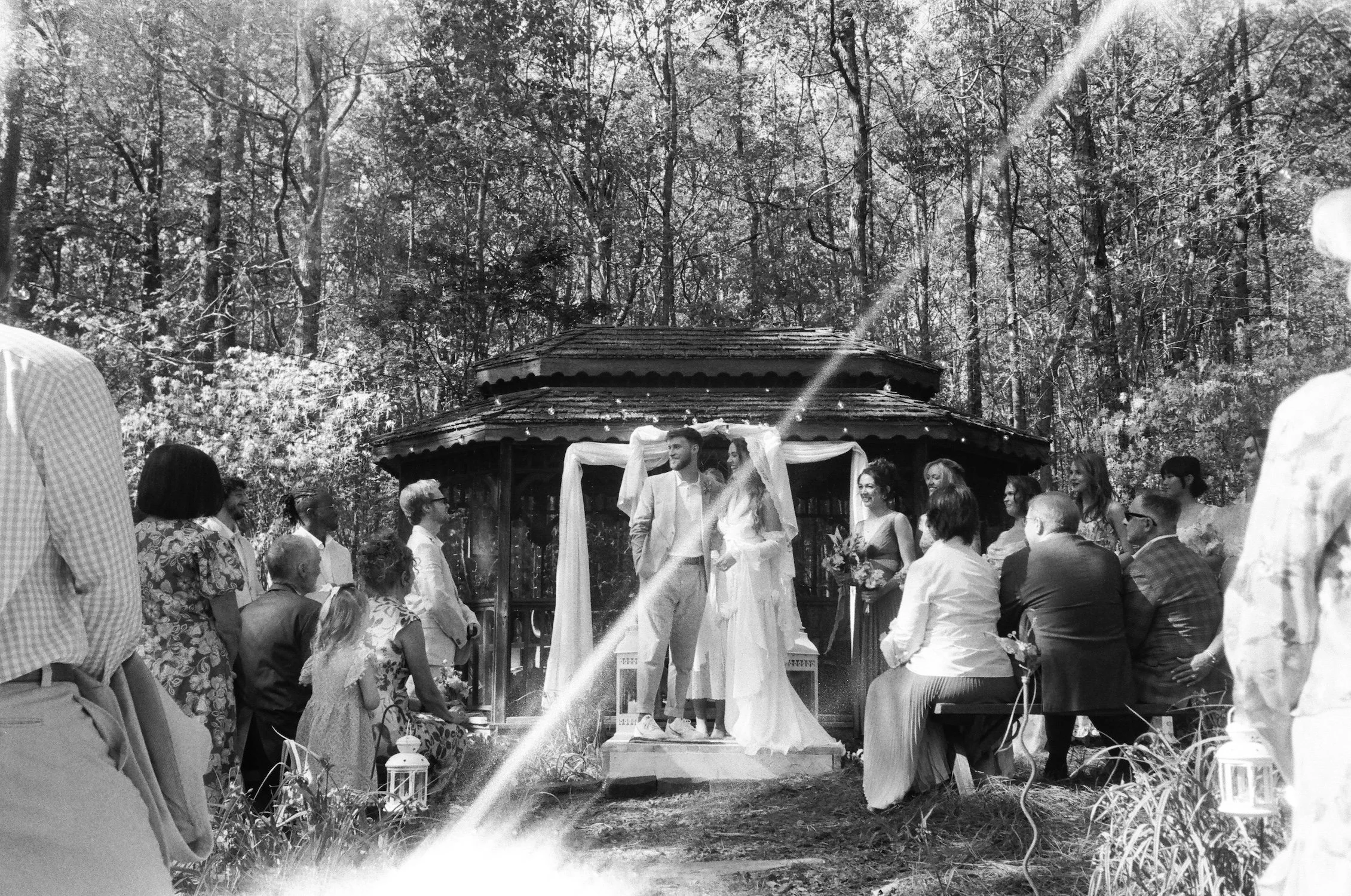
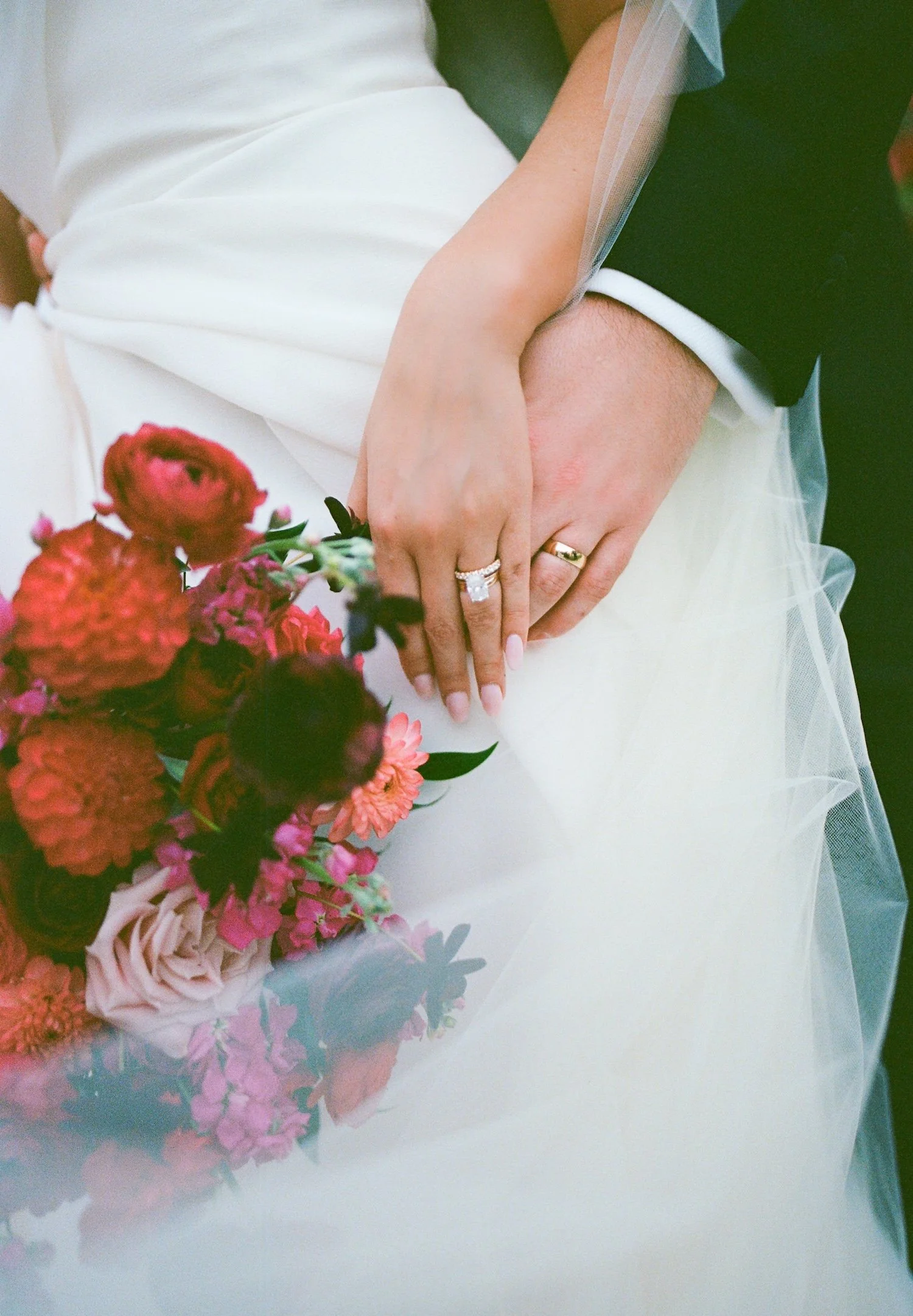
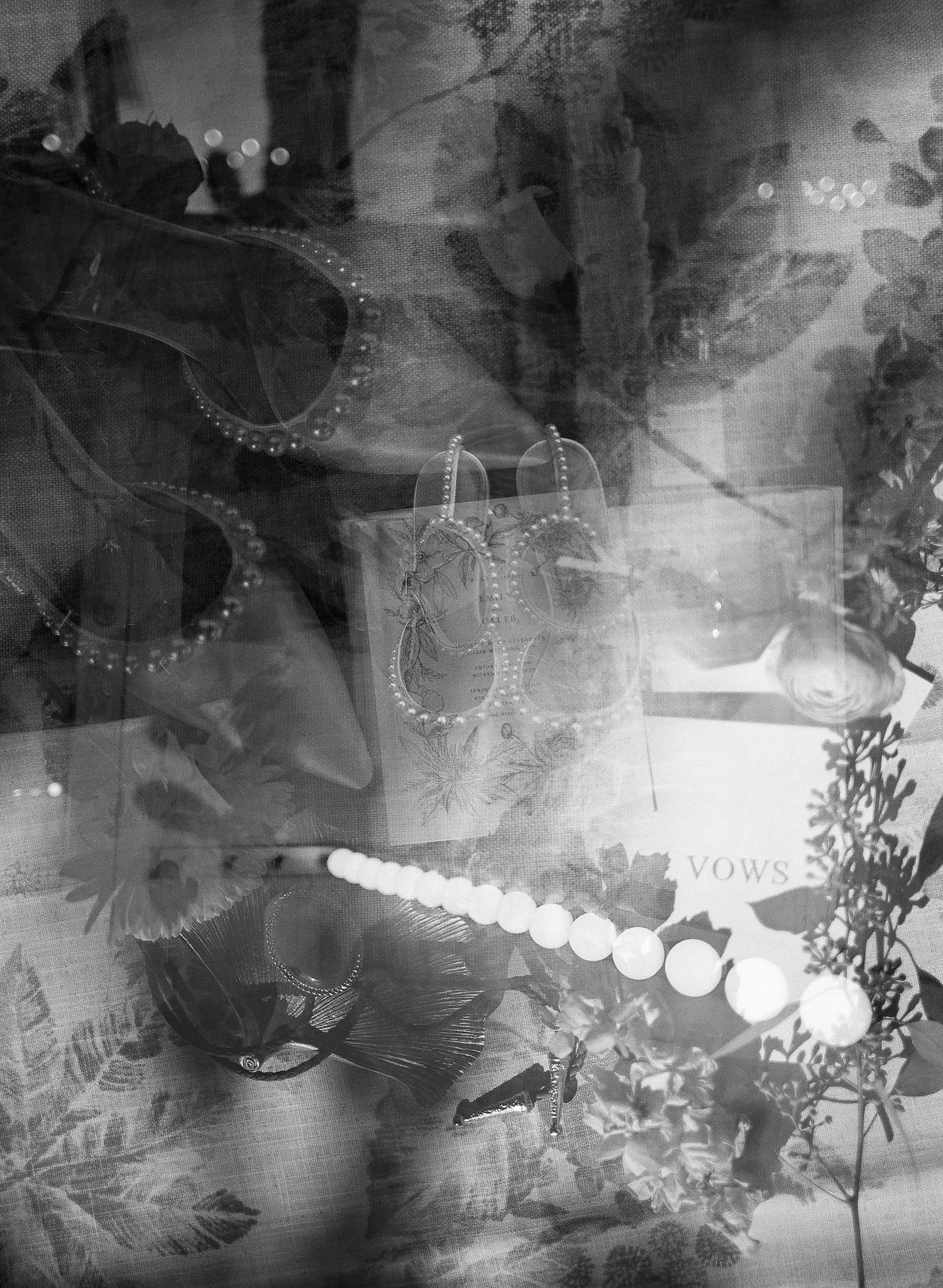
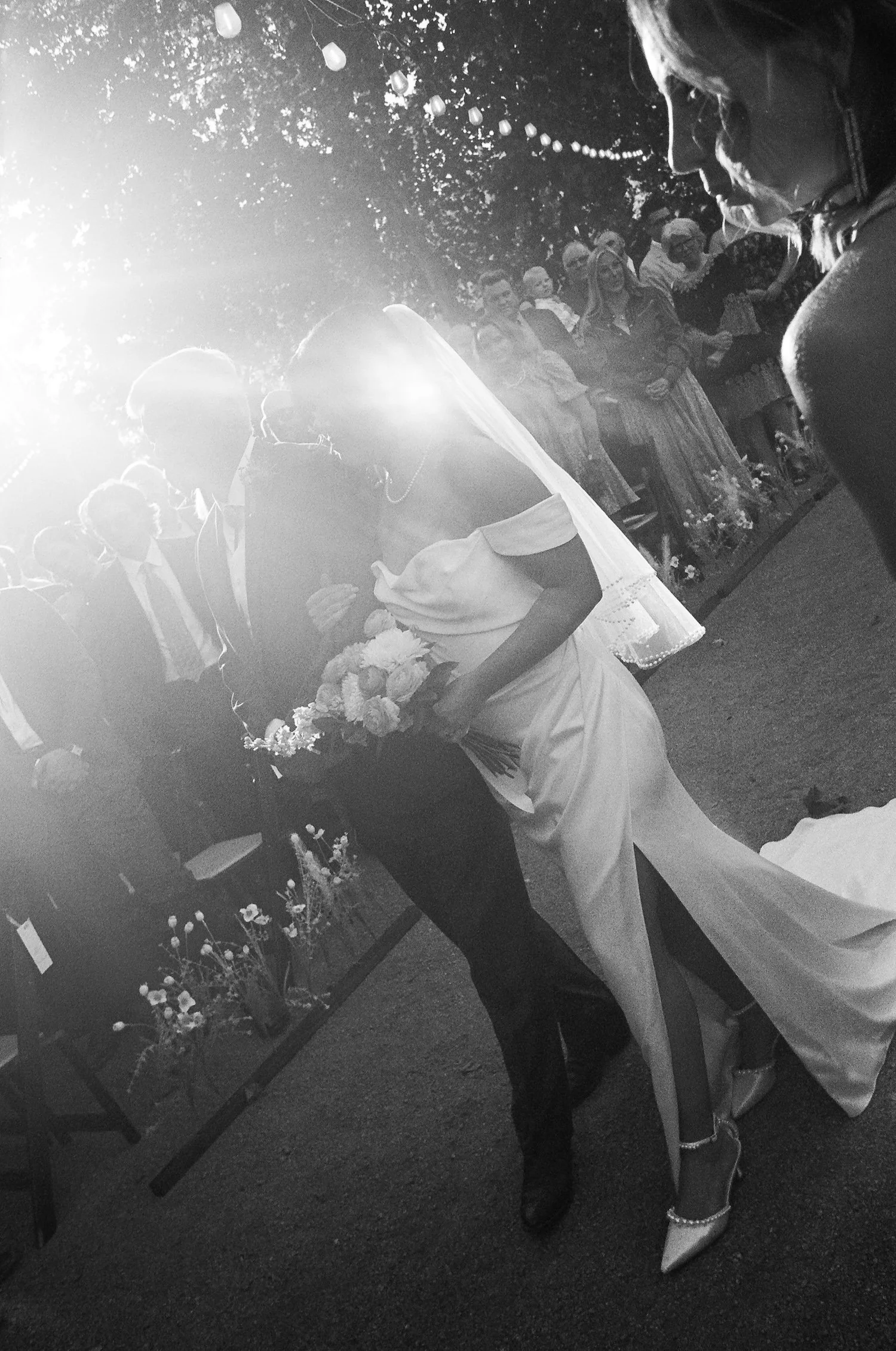
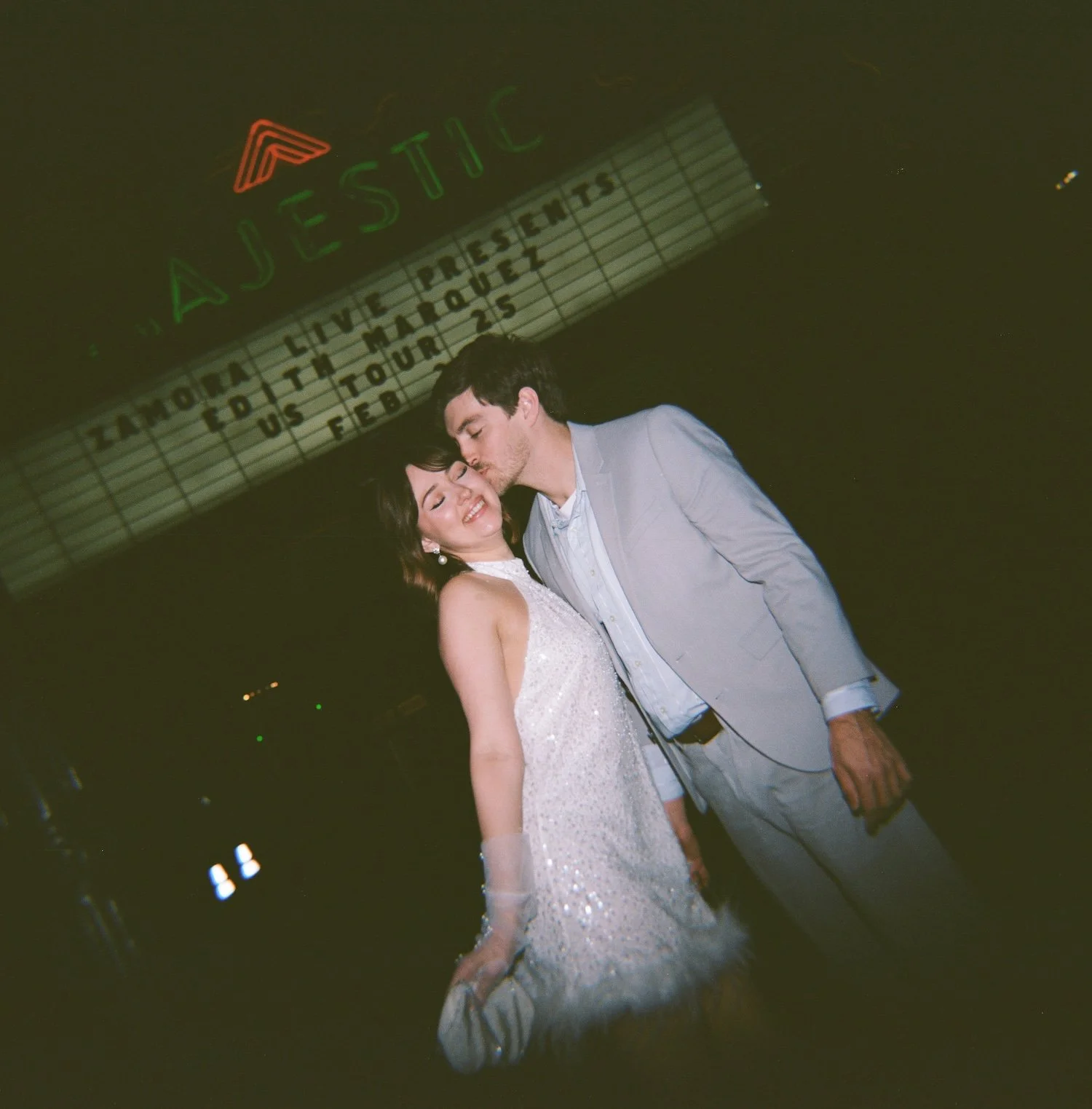
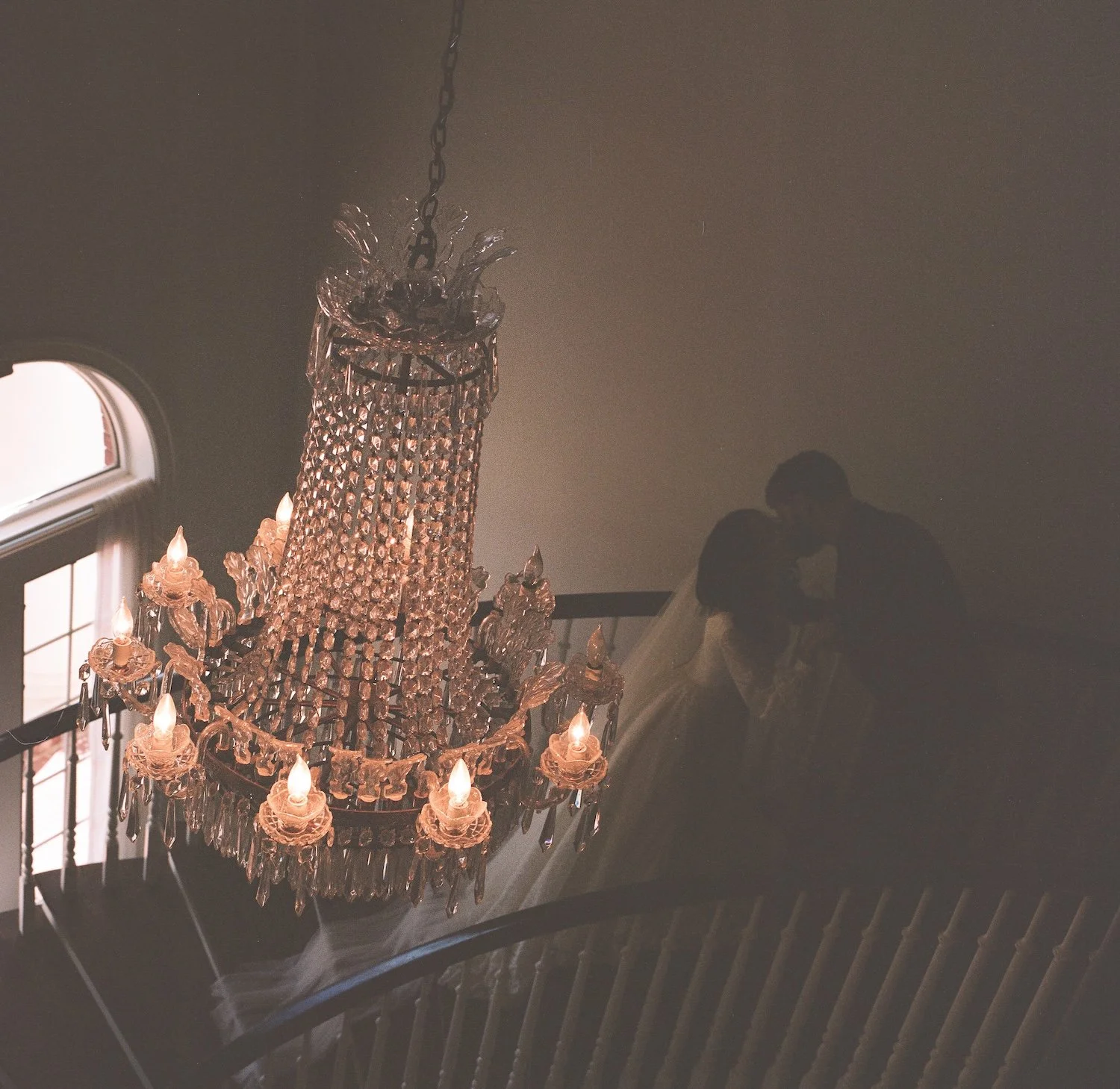
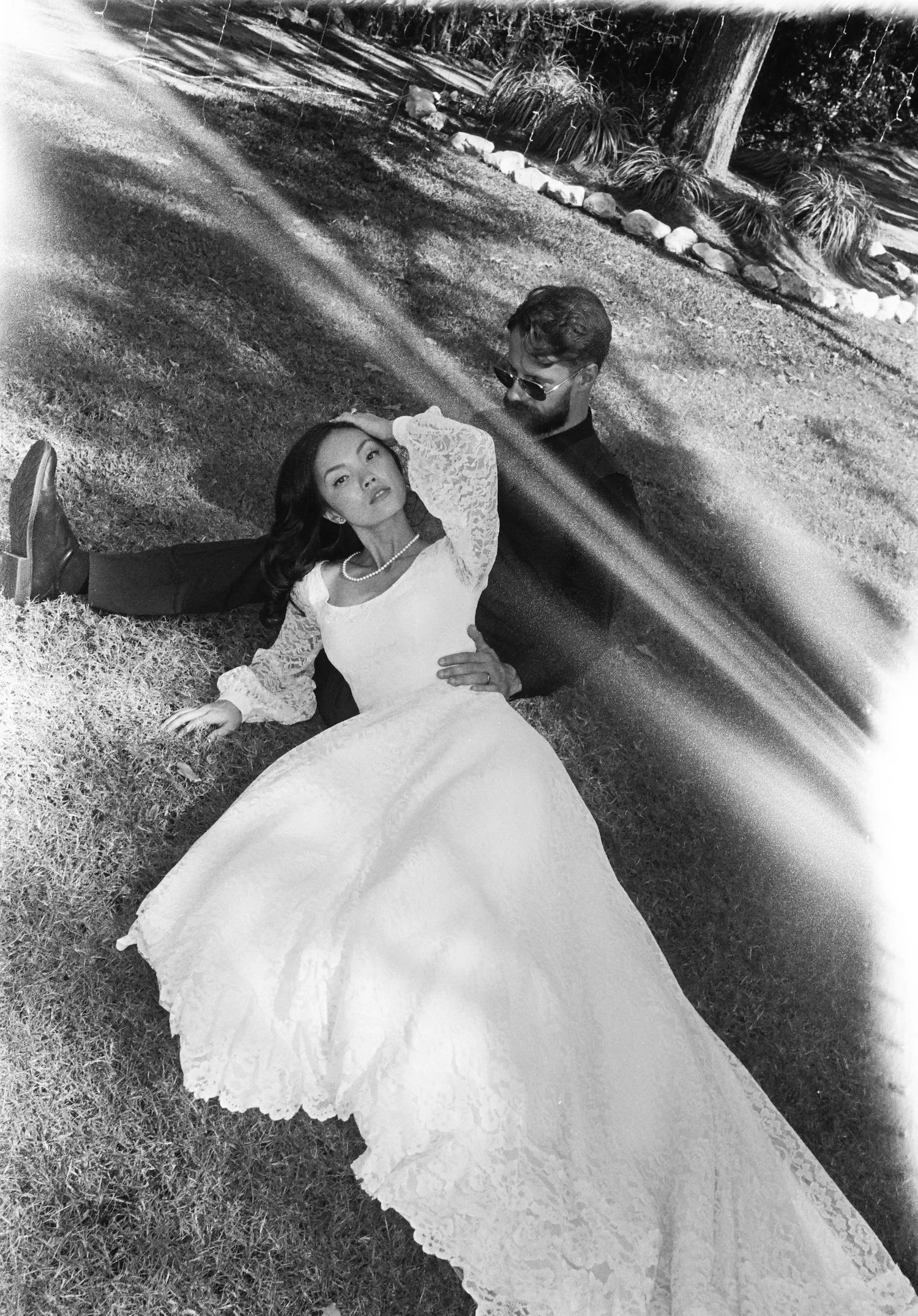
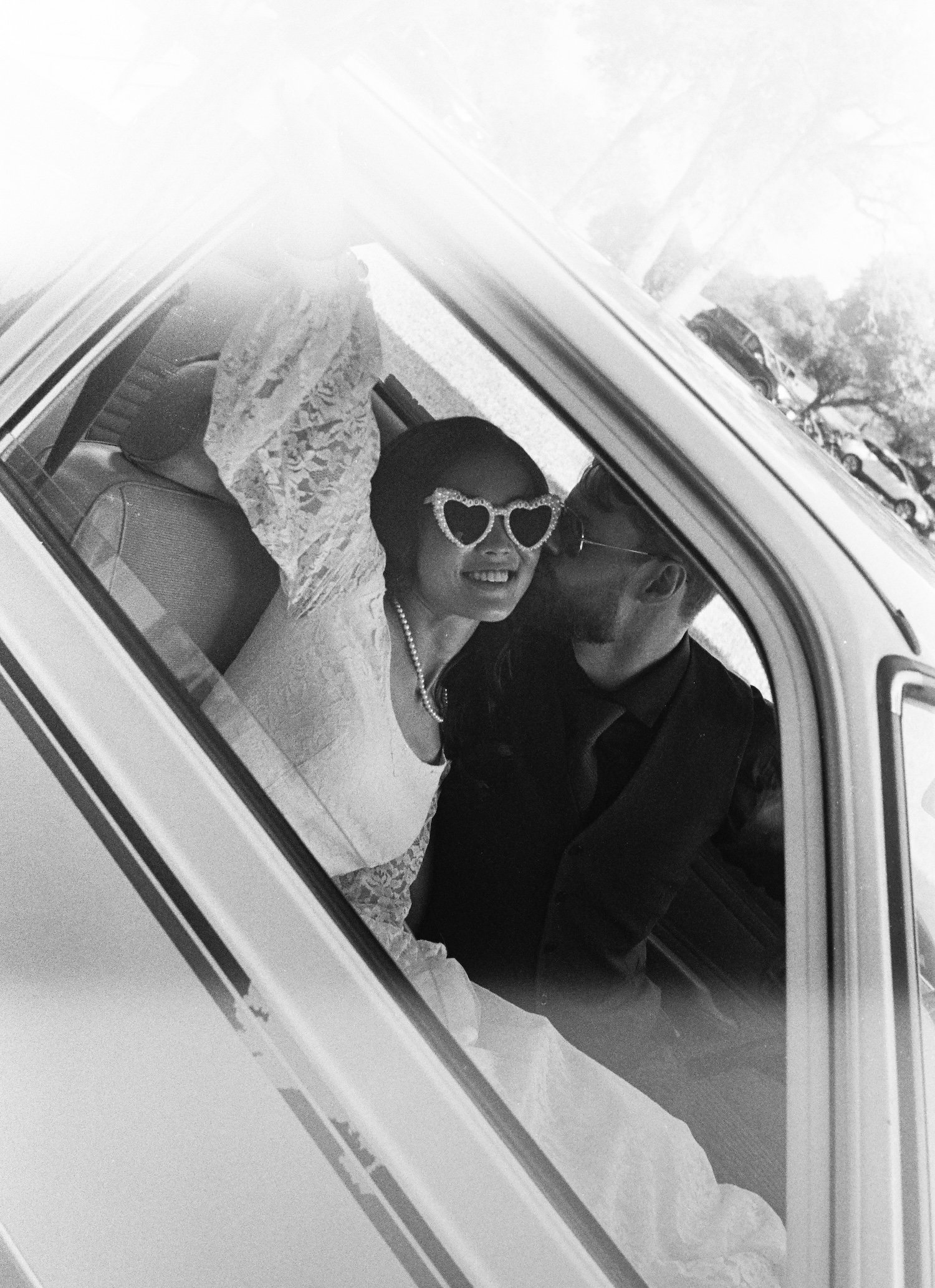
Film has a softness and depth that’s hard to replicate perfectly with digital. Colors tend to feel richer and more natural, highlights bloom in a beautiful way, and there’s a subtle grain that adds character to each image.
Technically, you can edit digital photos to mimic a film aesthetic, and many photographers do. But there’s still something about actual film that hits differently.
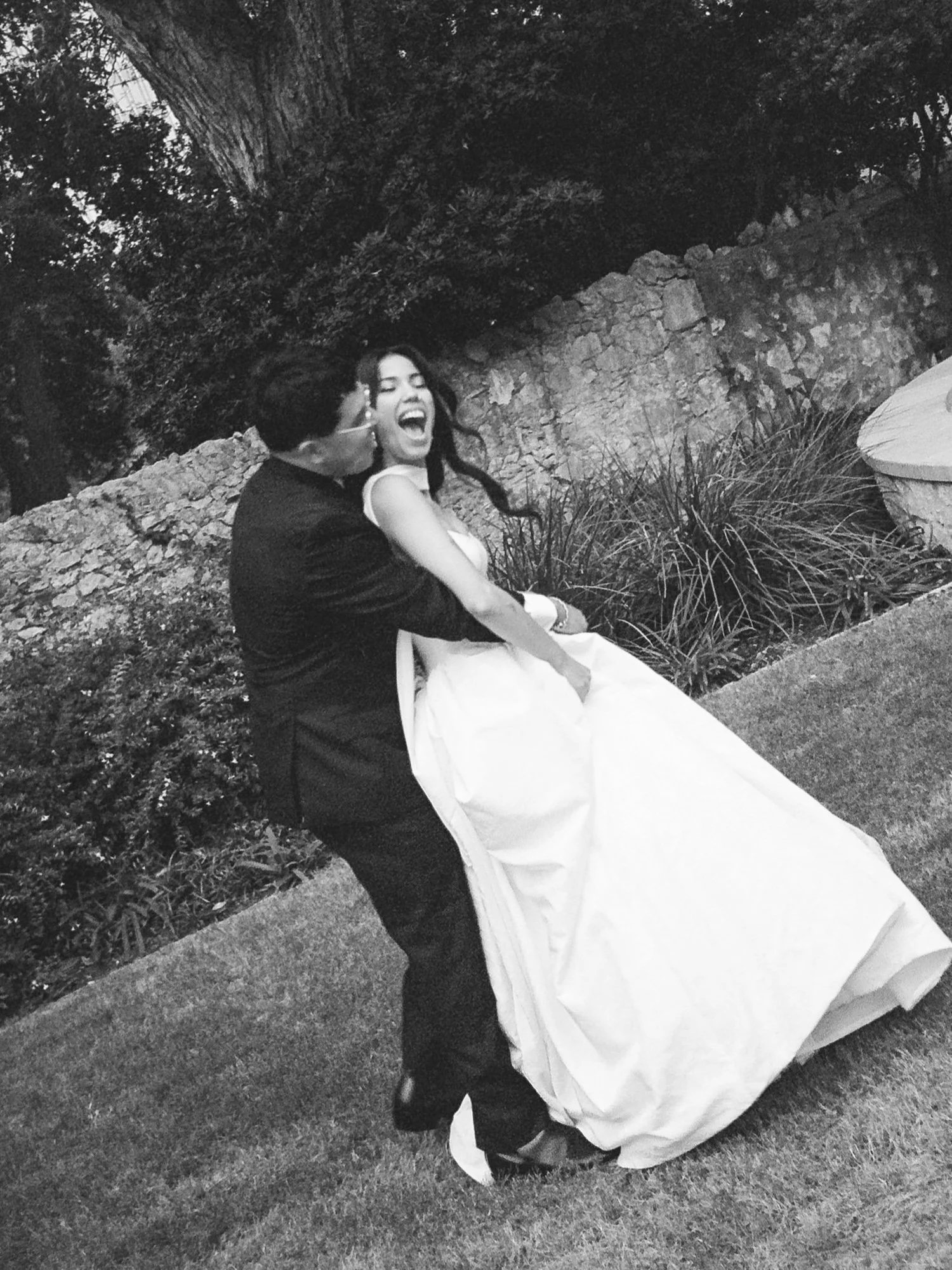
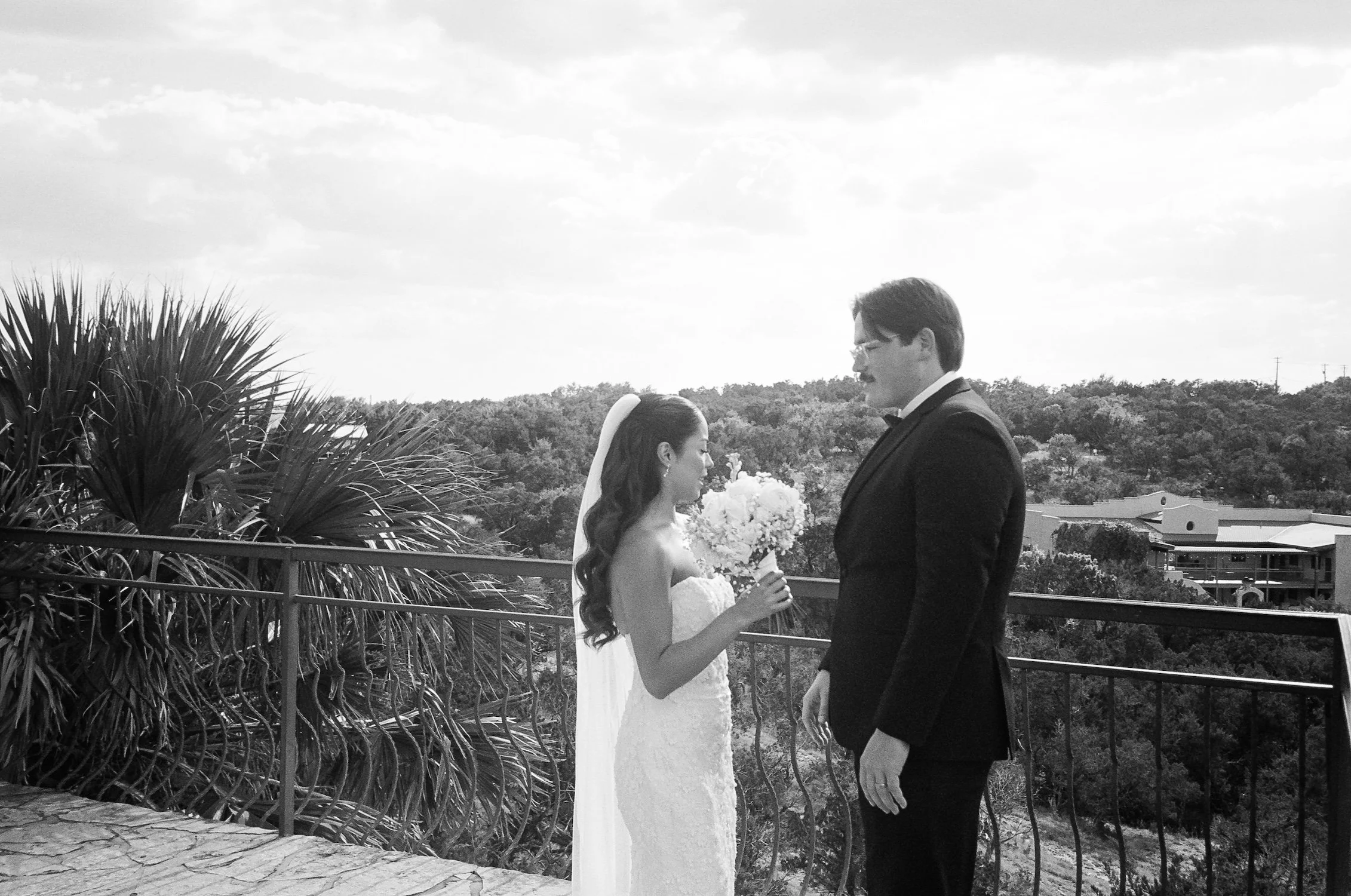
It feels less polished and more authentic, like flipping through old family photo albums or finding a stack of photos from the 80s tucked in a drawer. There’s a sense of memory built right into the image, and that’s exactly what wedding photography is about.
Documentary Moments Over Perfect Posing
Another reason film has become popular again is that couples today are leaning more toward documentary-style photography.
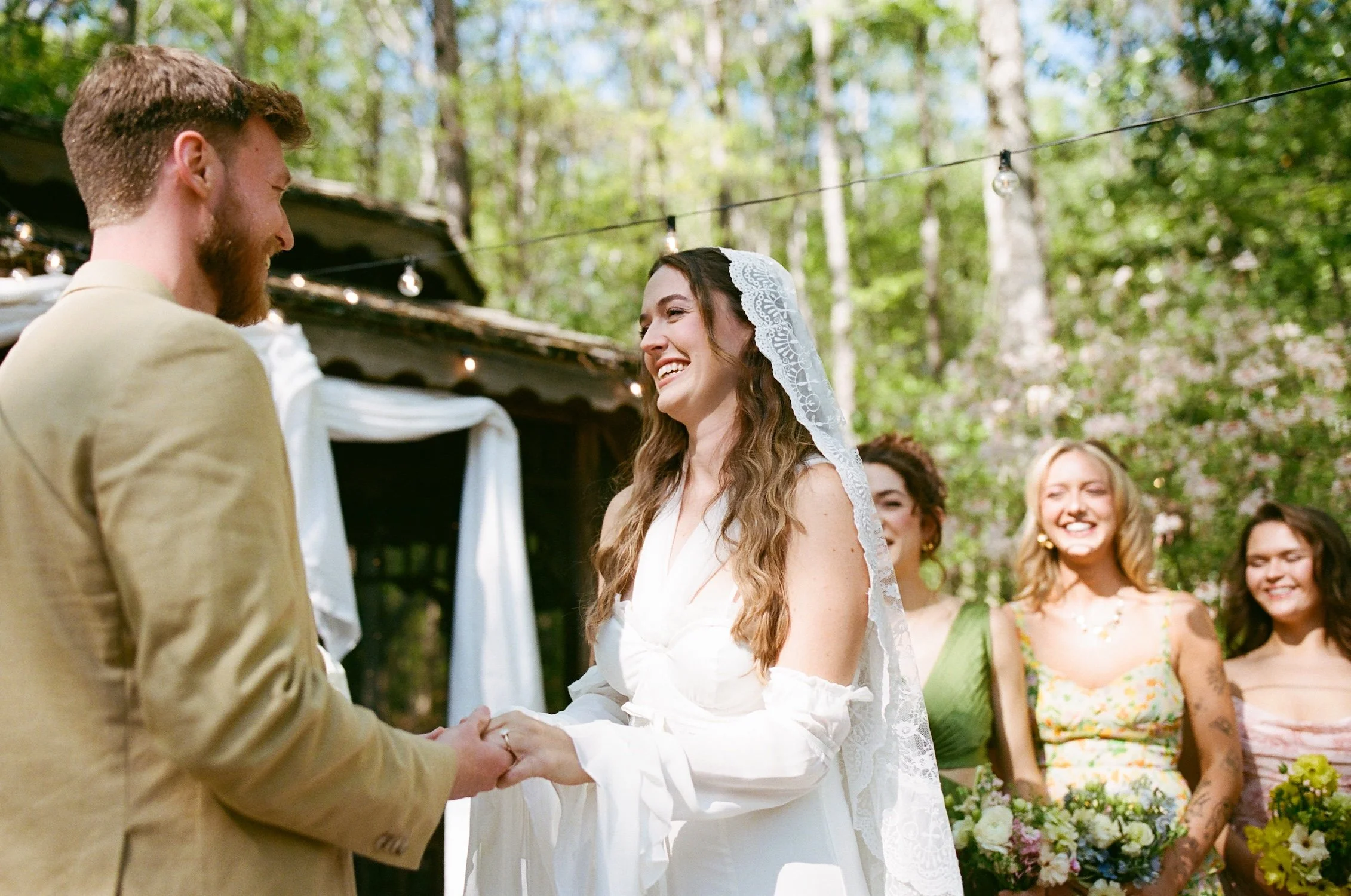
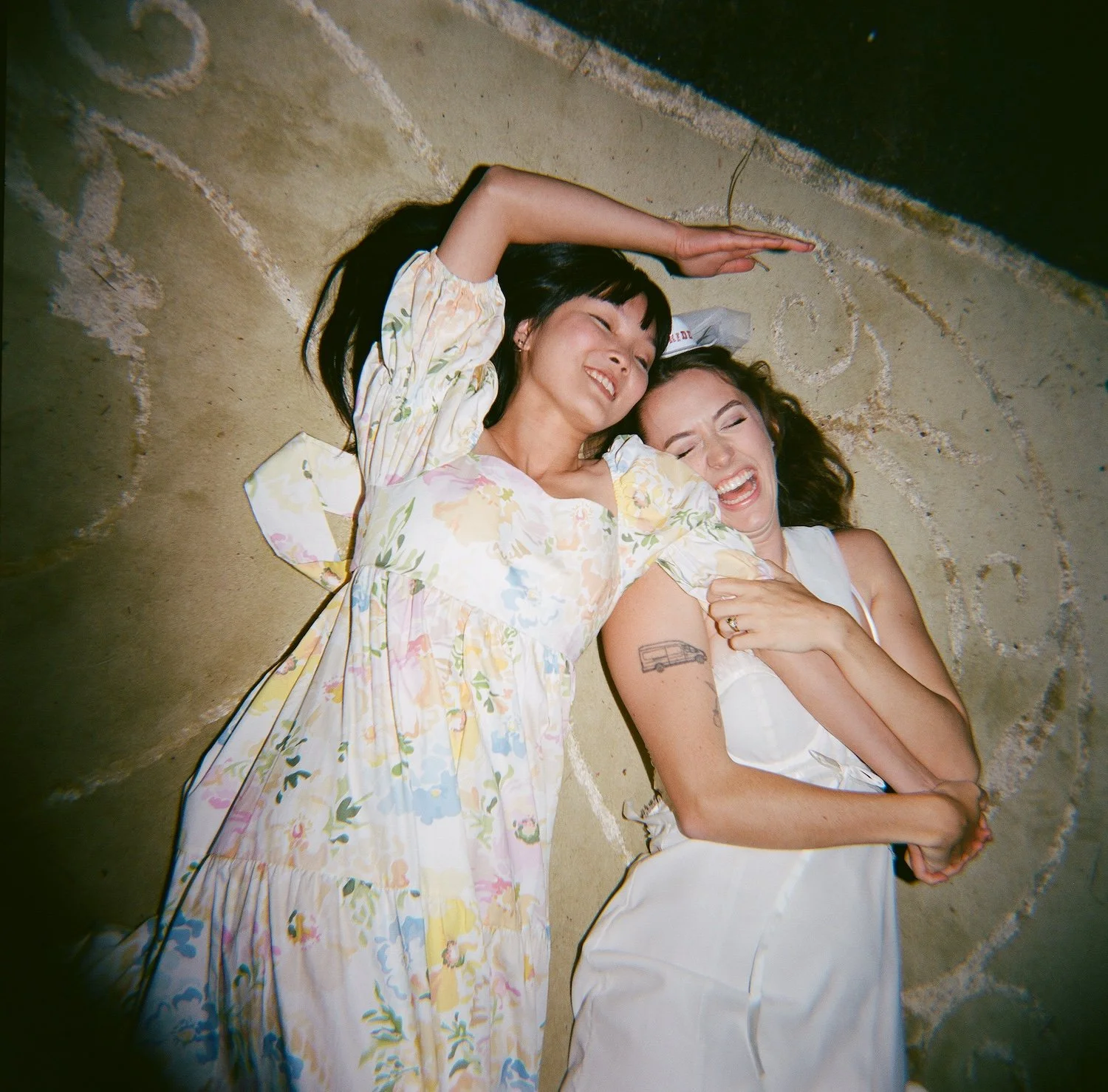
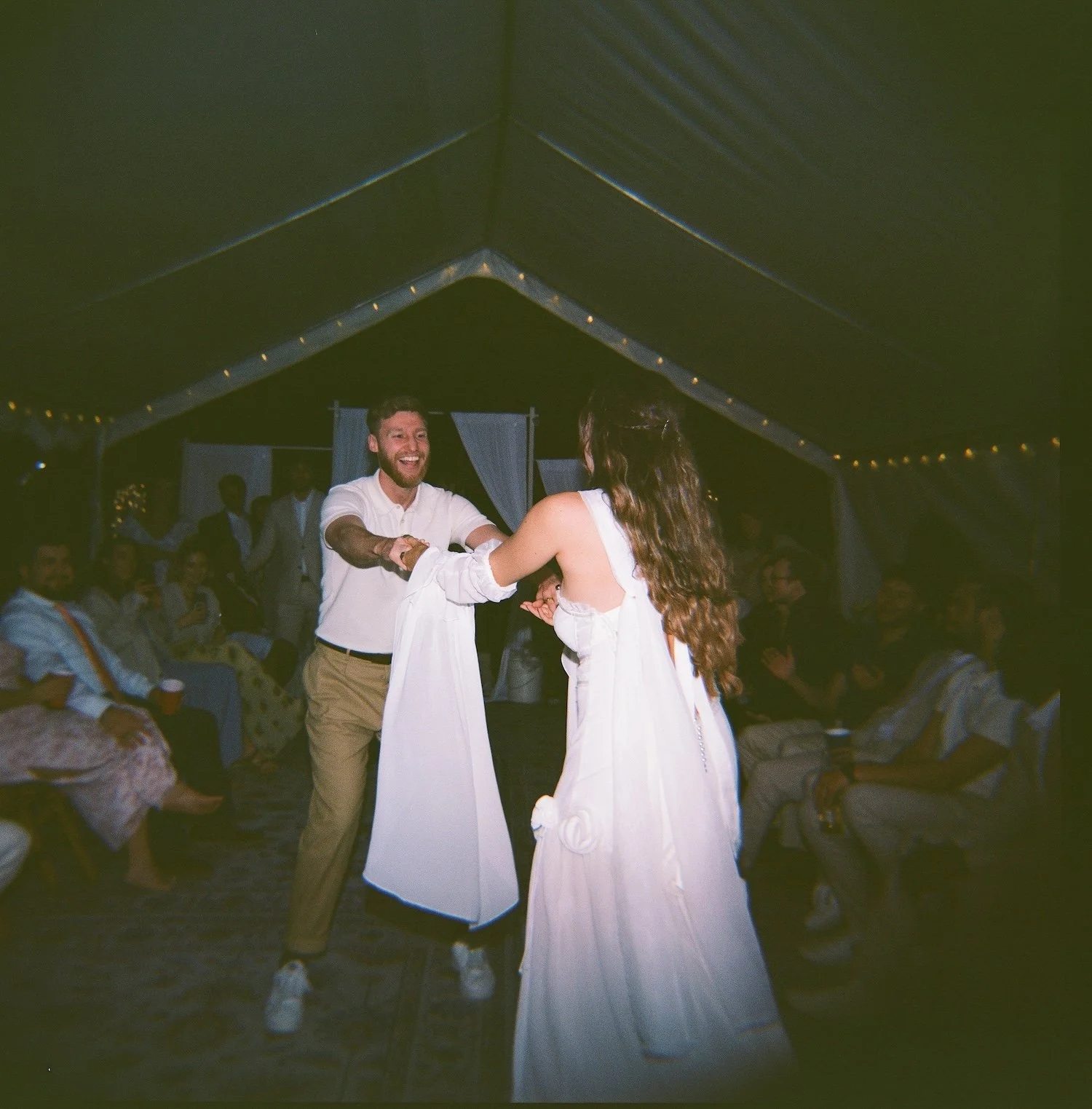
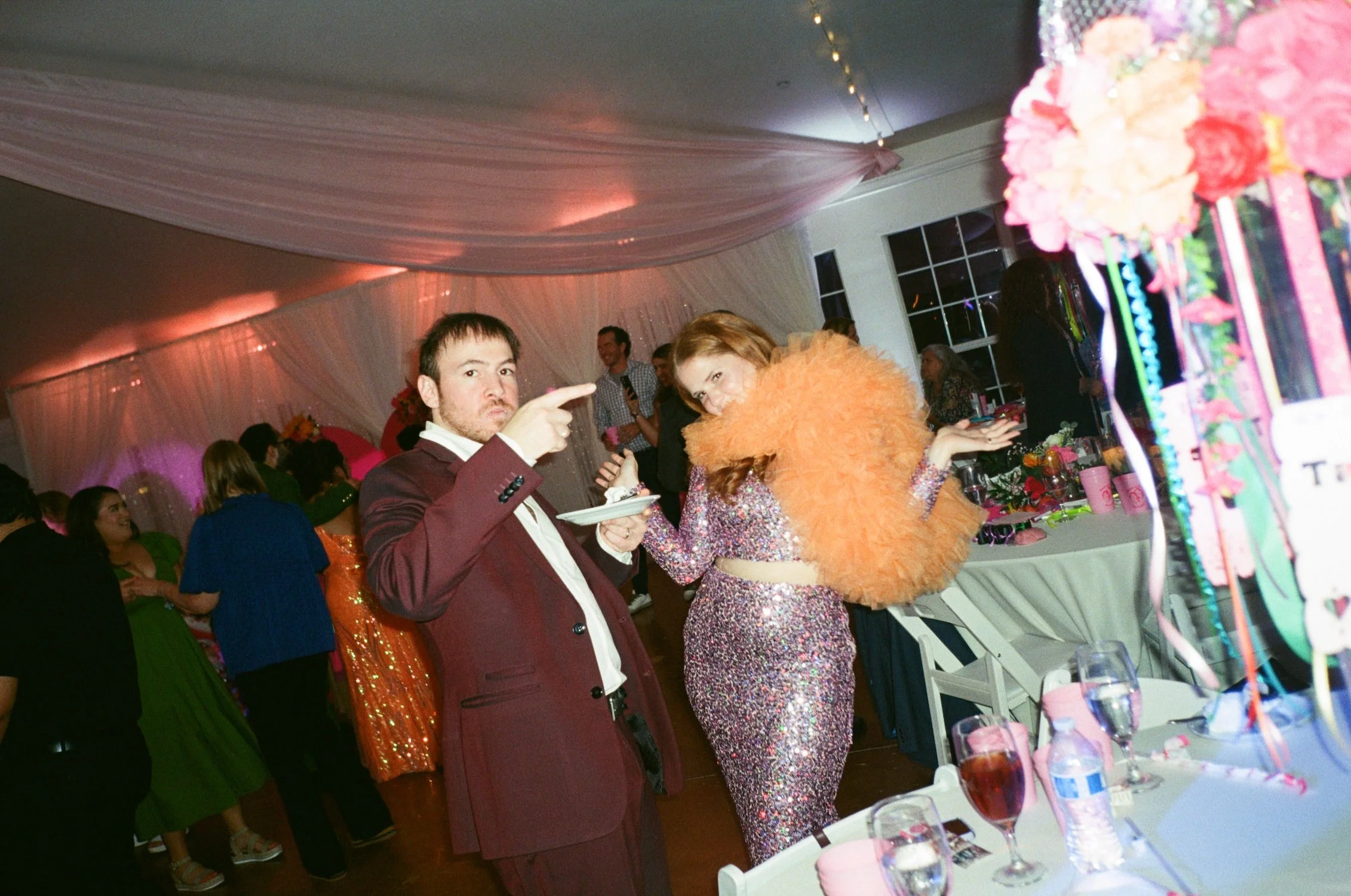
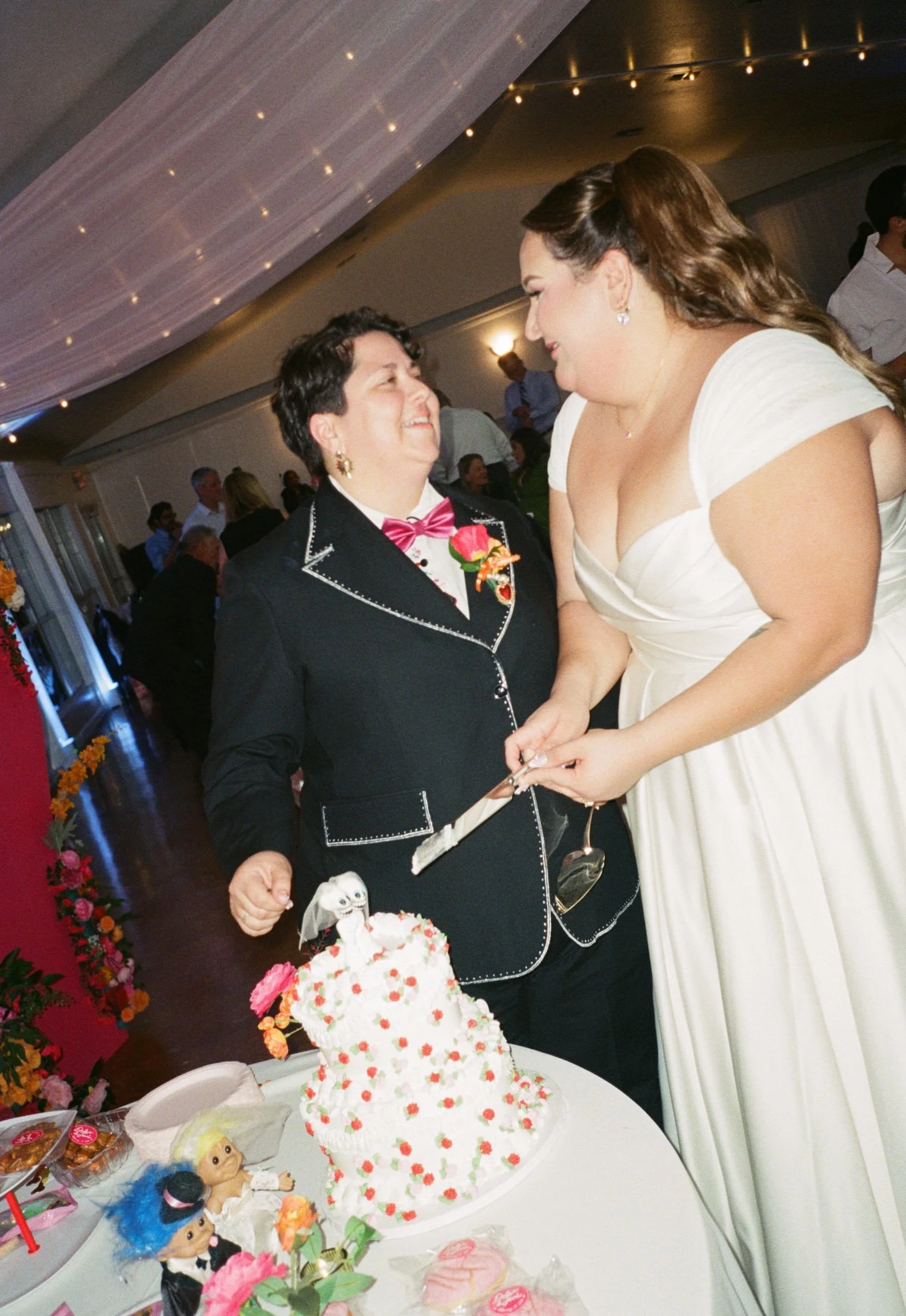
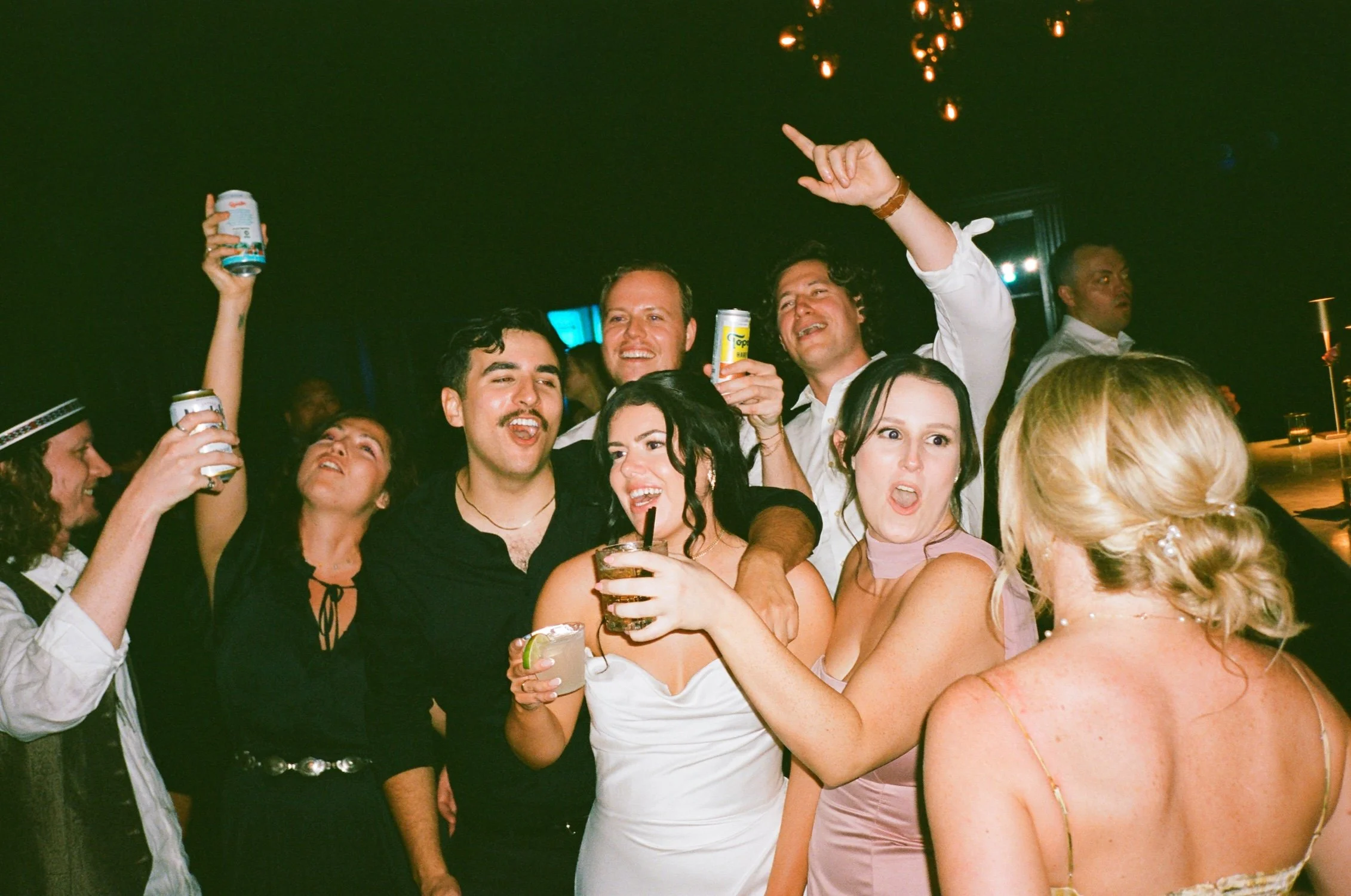
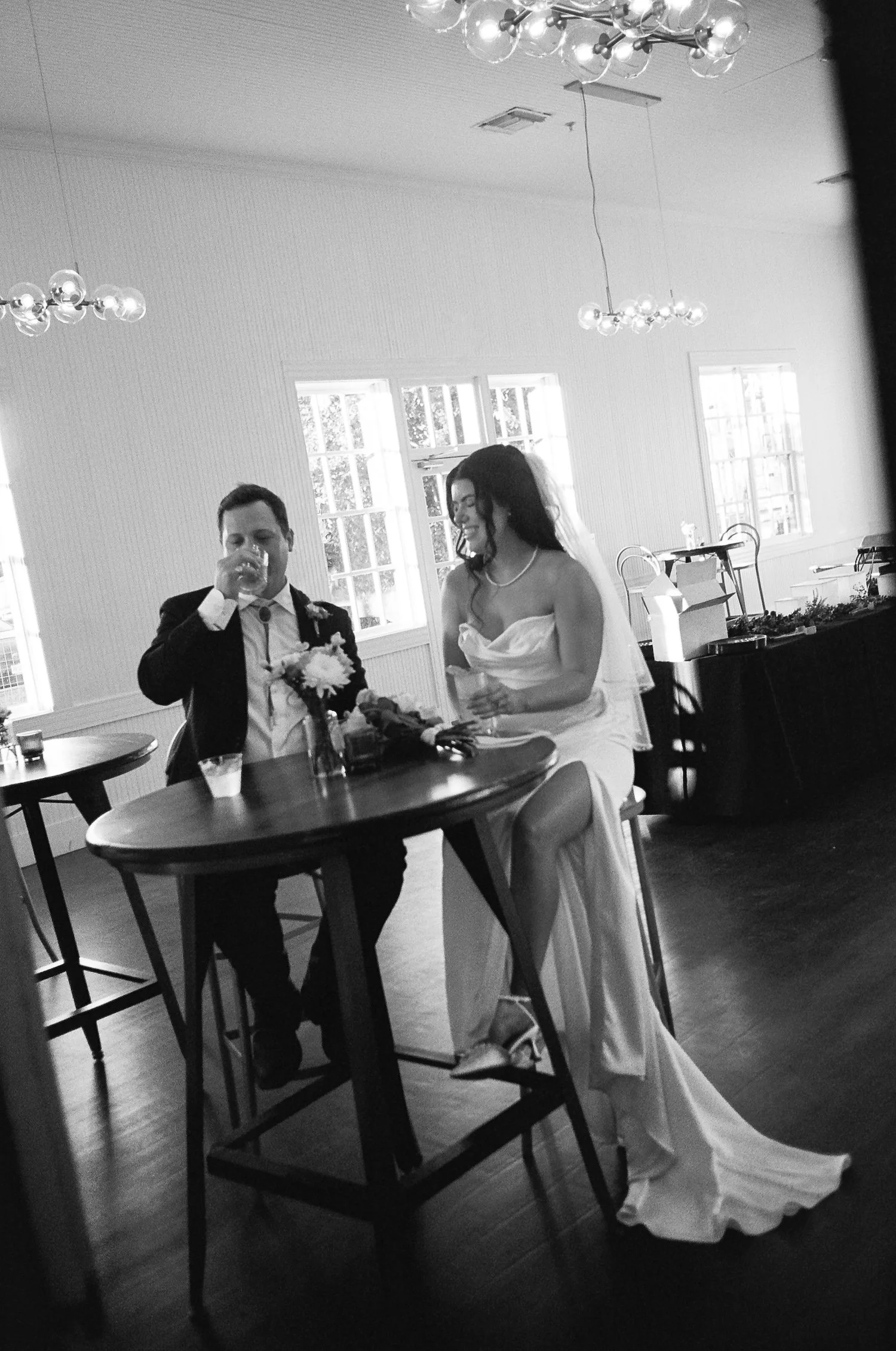
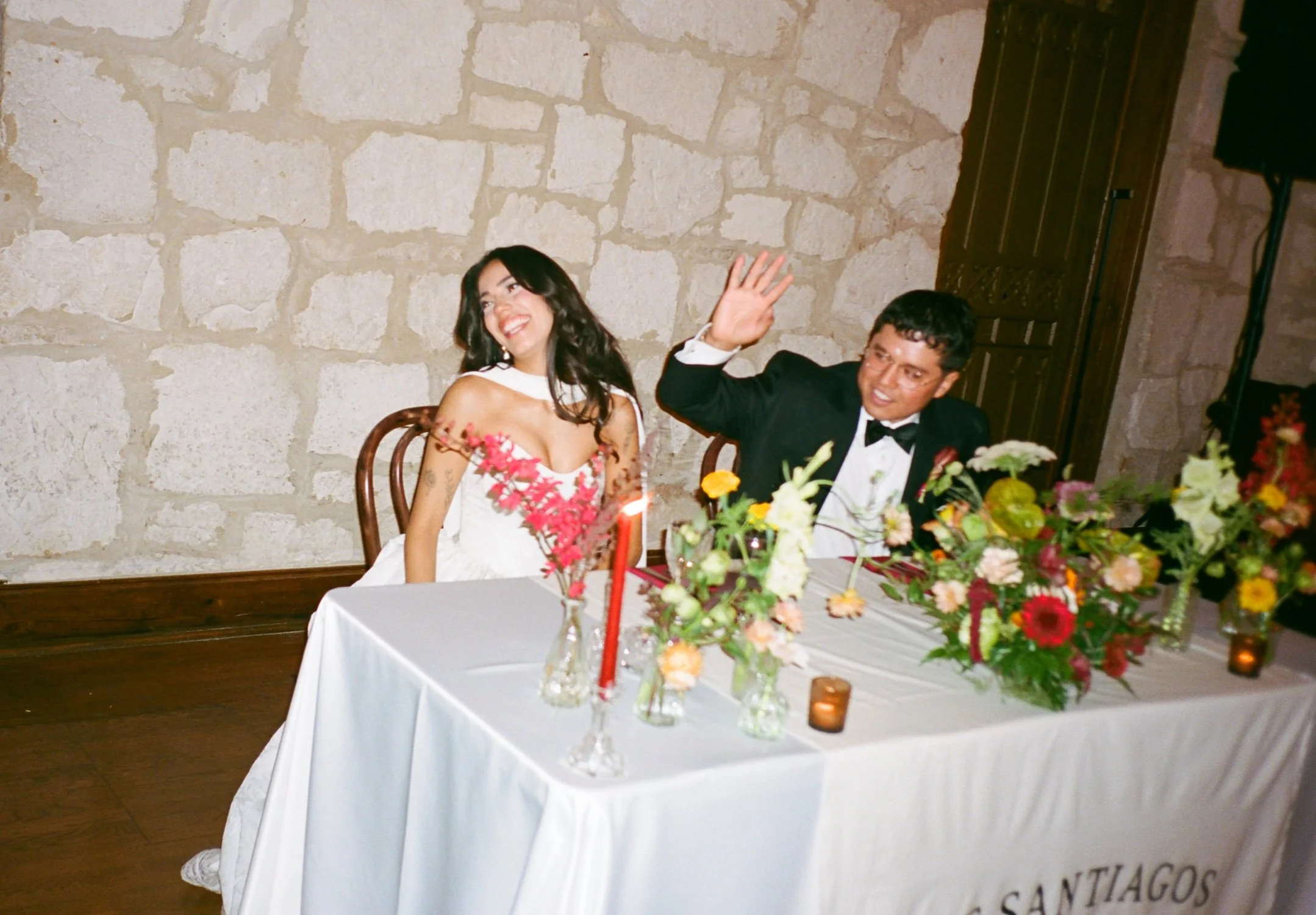
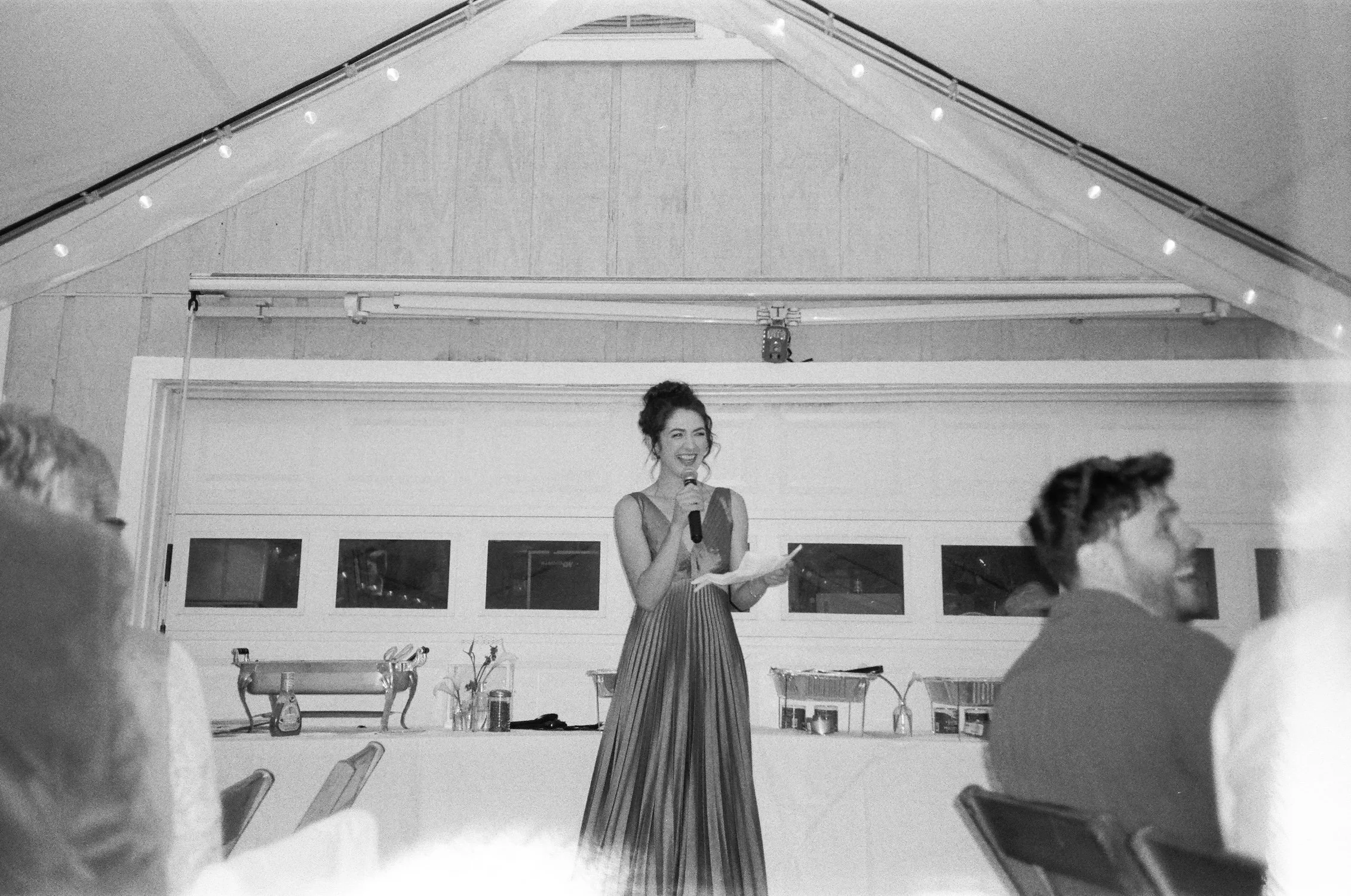
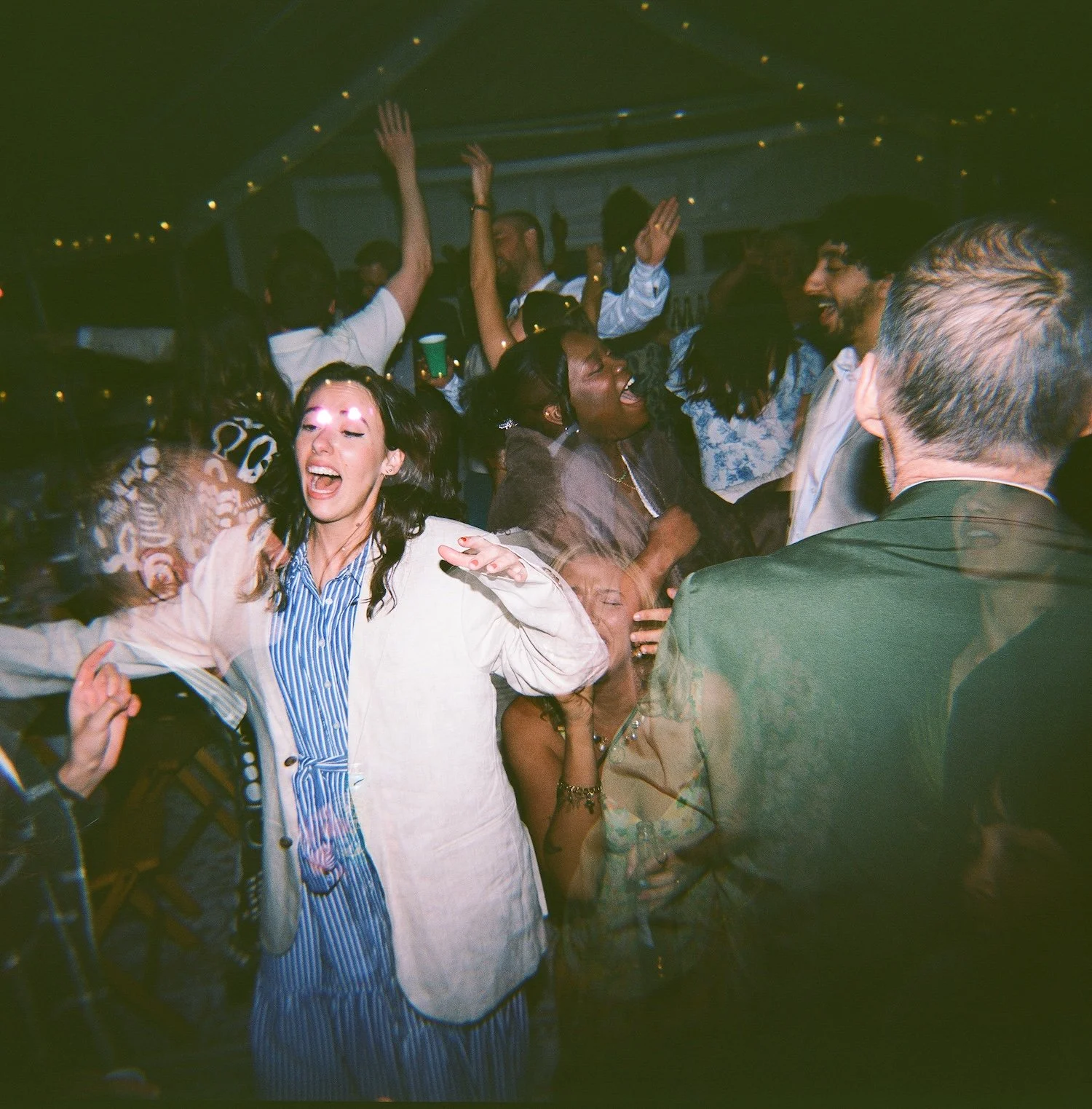
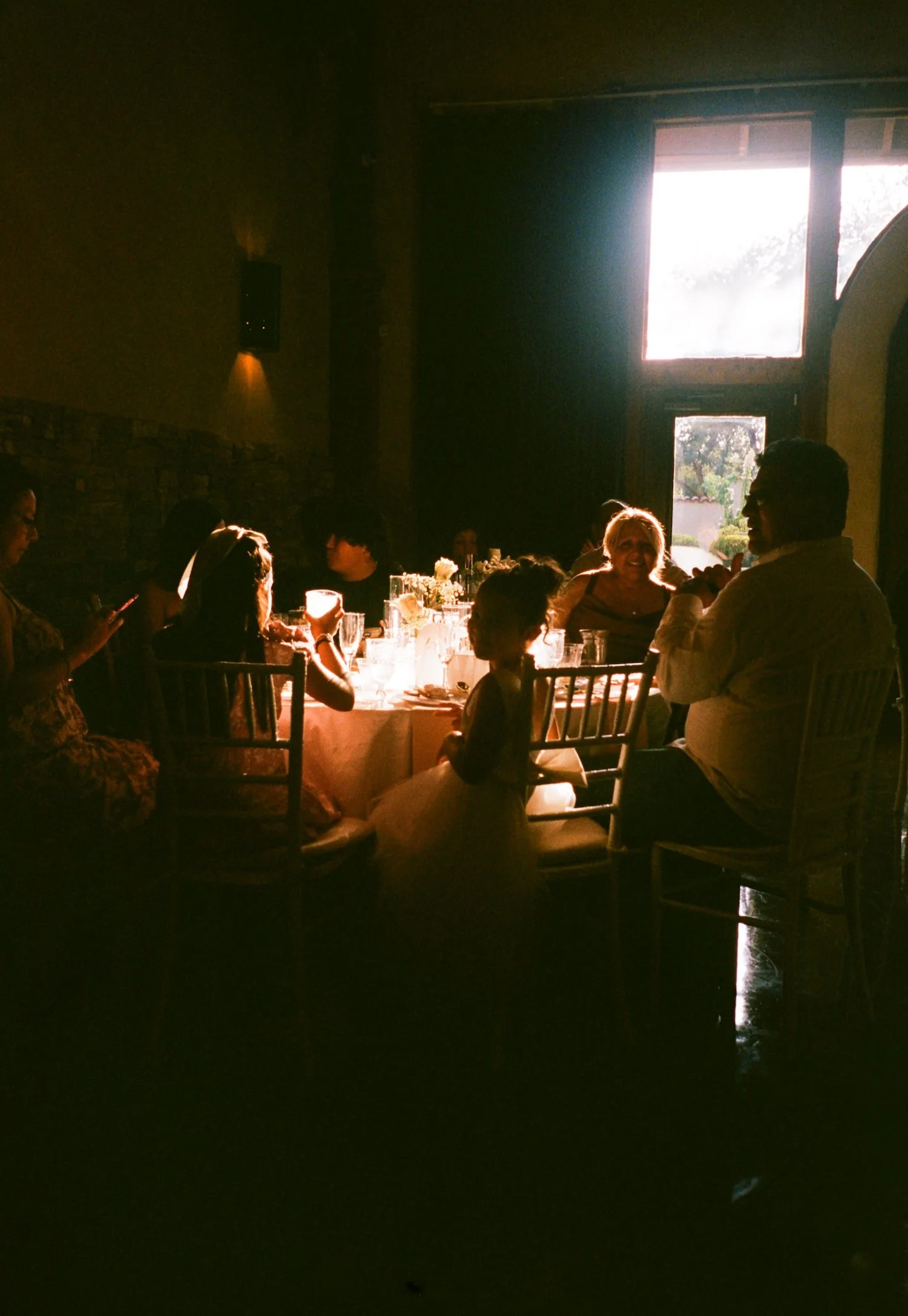
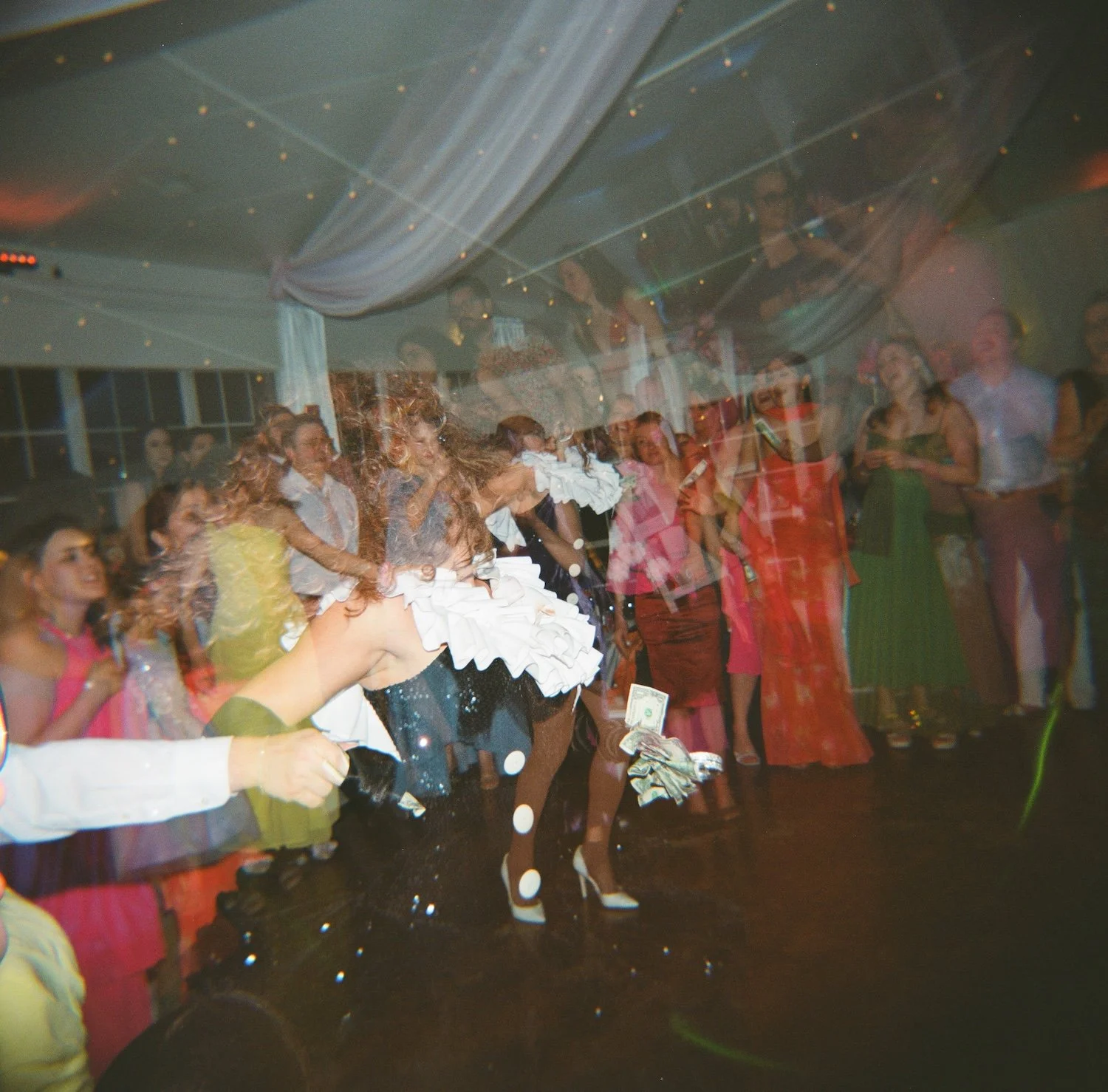
Instead of perfectly curated, posed photos all day long, many couples want images that feel spontaneous and real — the laugh during the toast, a quiet moment before the ceremony, family dancing wildly at the reception.
Film photography pairs beautifully with that approach.
Because film forces you to slow down, every frame is more intentional. You’re not shooting hundreds of photos a minute like you might with digital. Instead, you’re watching carefully for the moment that matters.
That slower pace often leads to images that feel more honest and emotional.
Different Types of Film Cameras
Something many couples don’t realize is that there are actually multiple types of film cameras used in wedding photography.
Two of the most common are 35mm film and 120 film, also known as medium format.
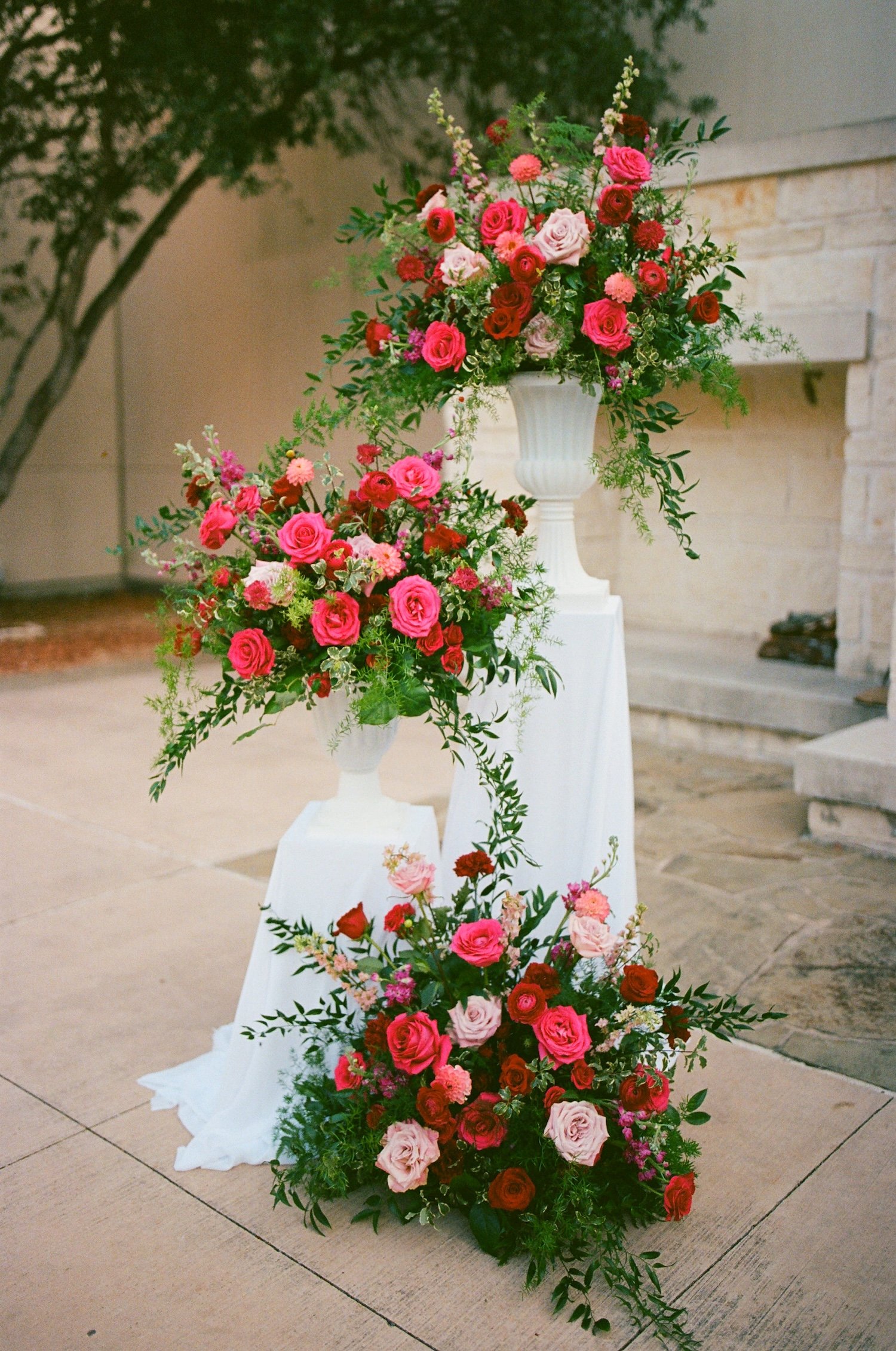
35mm Film
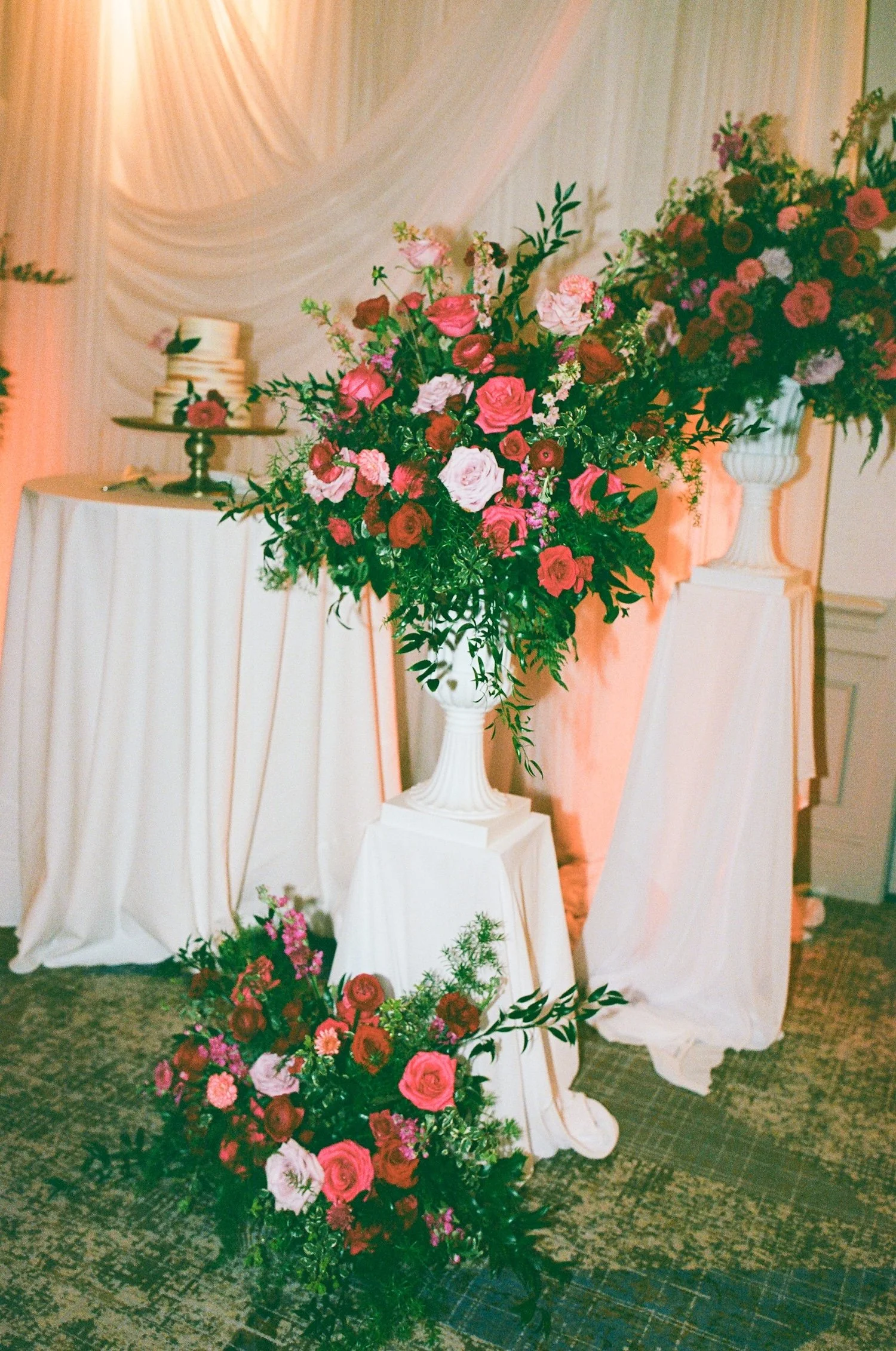
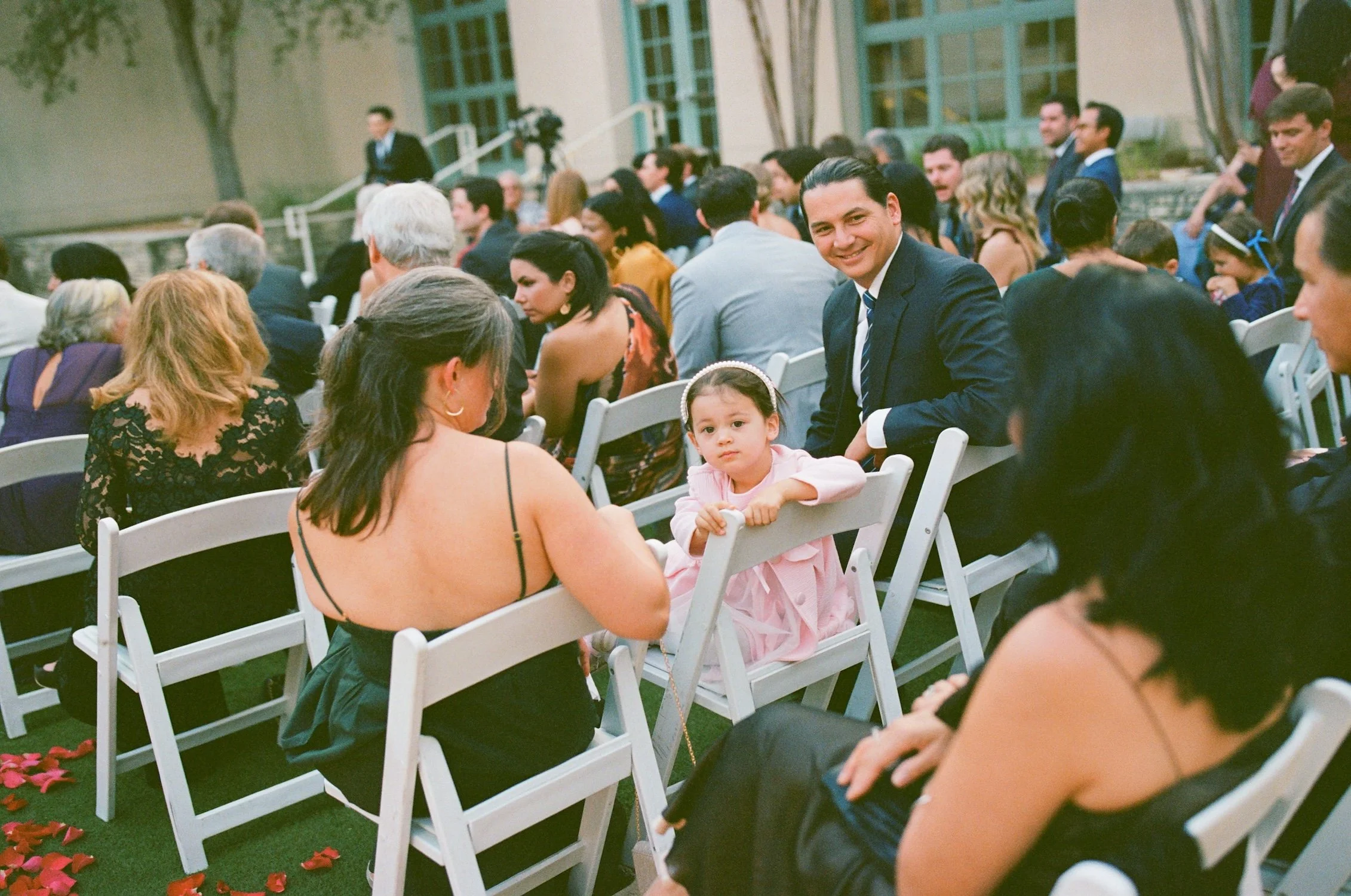
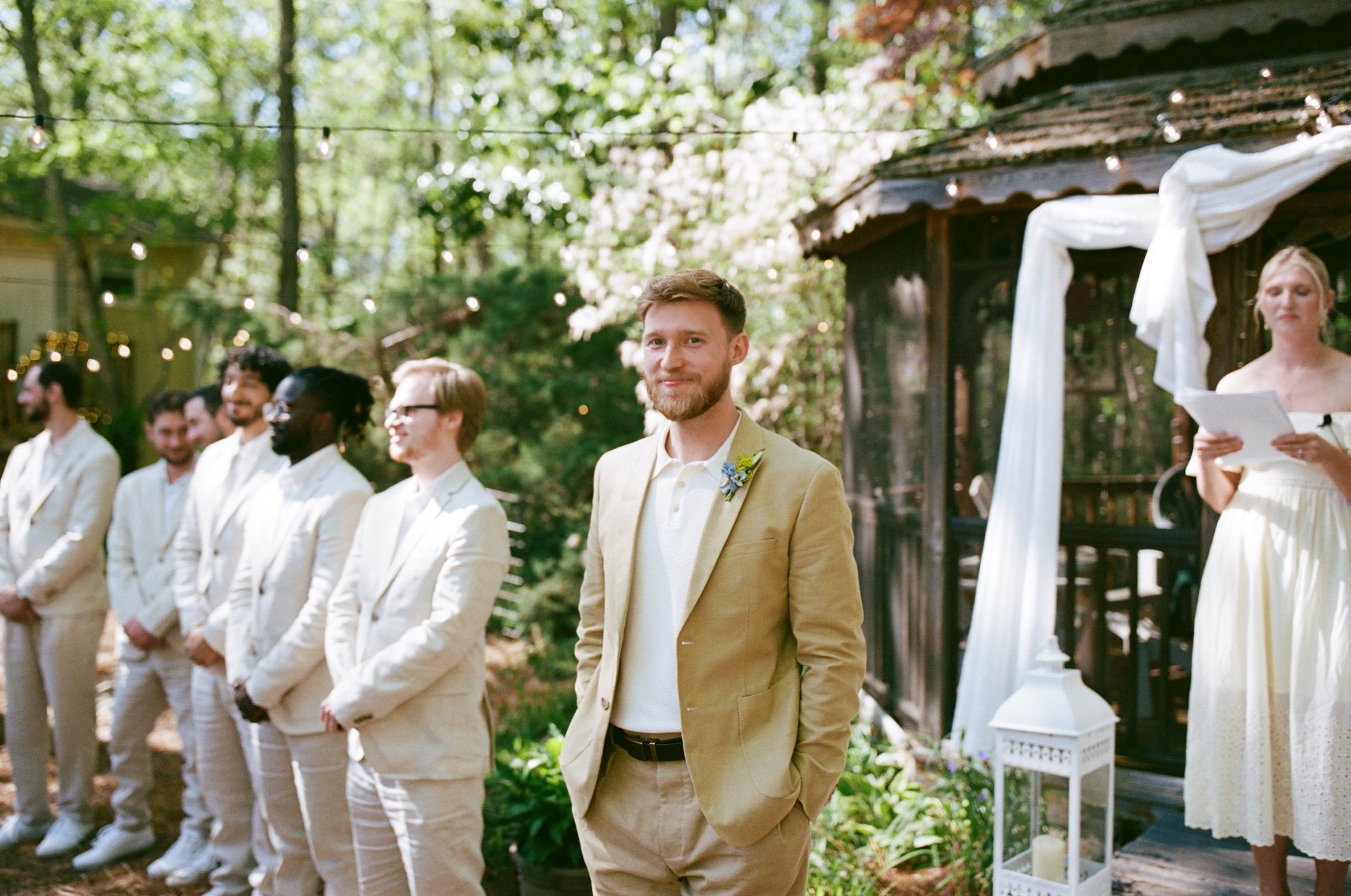
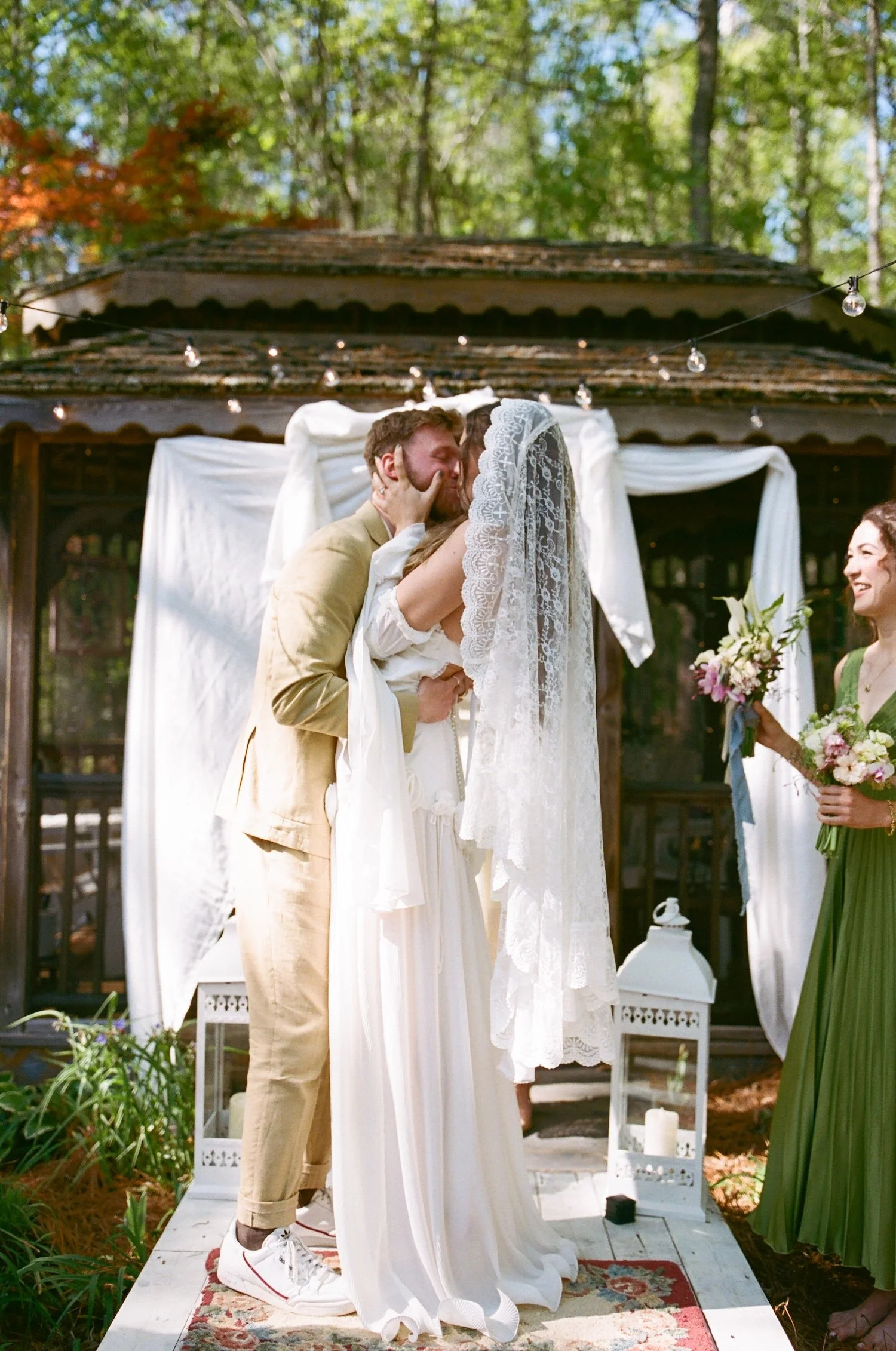
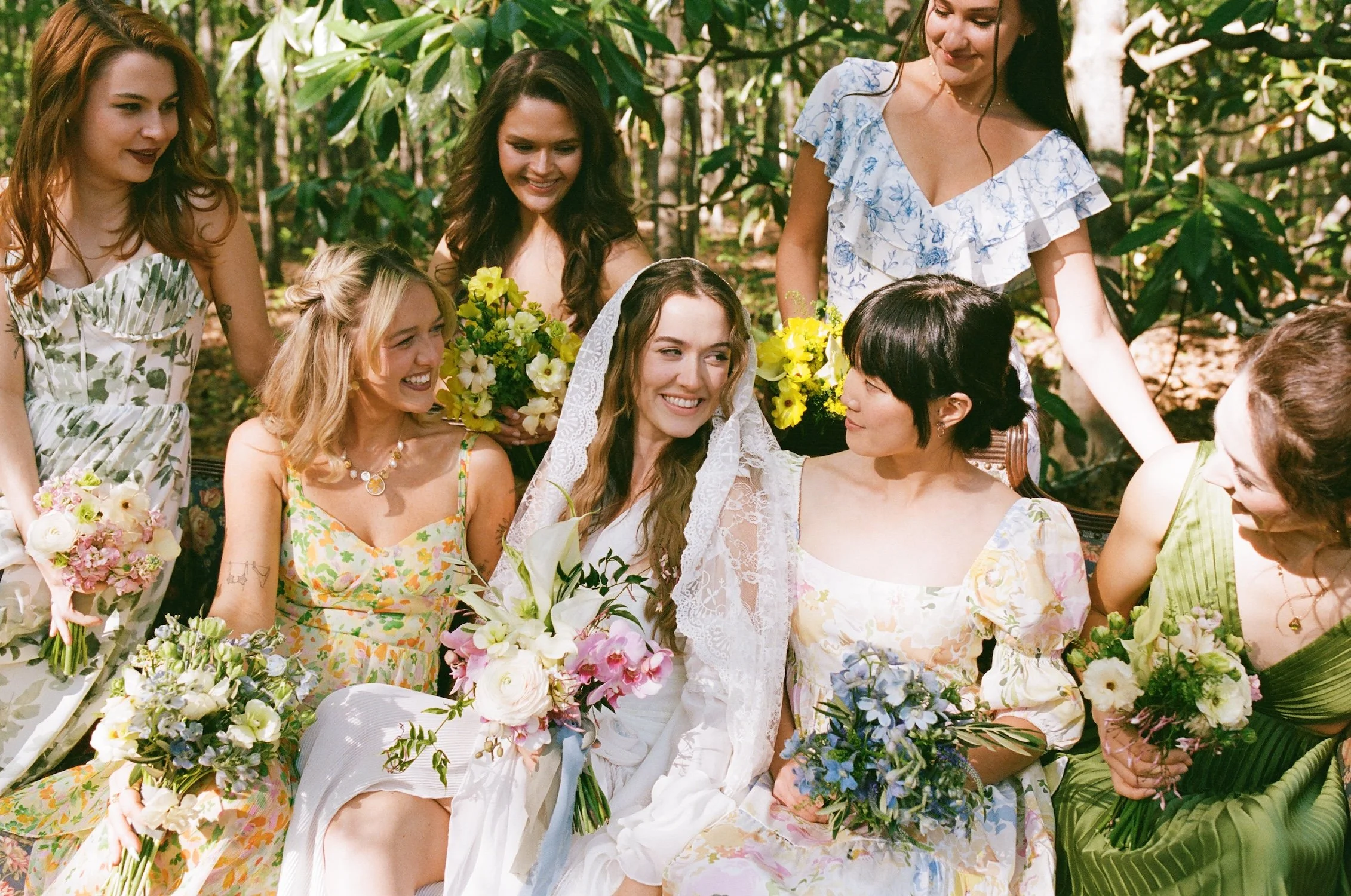
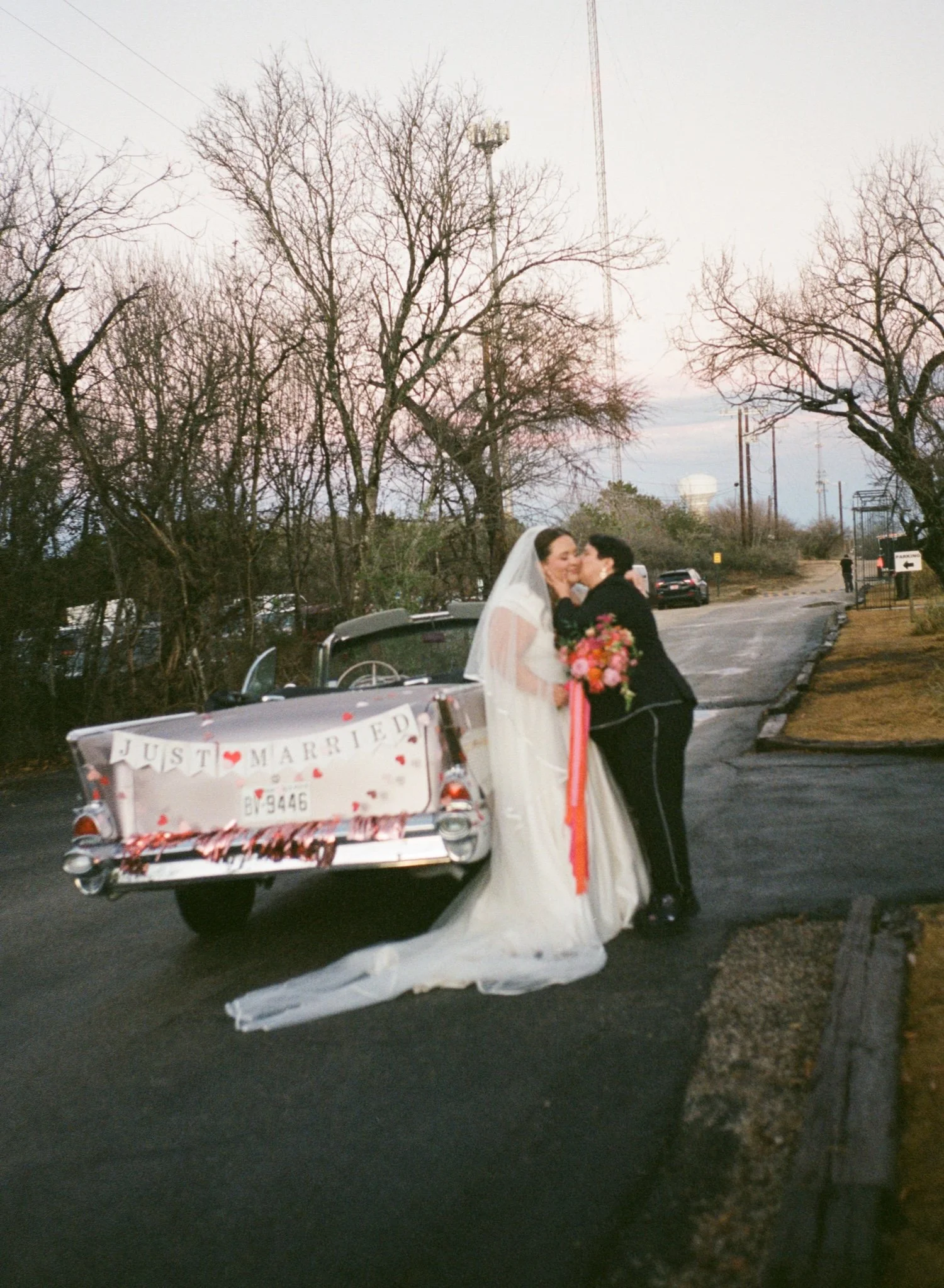
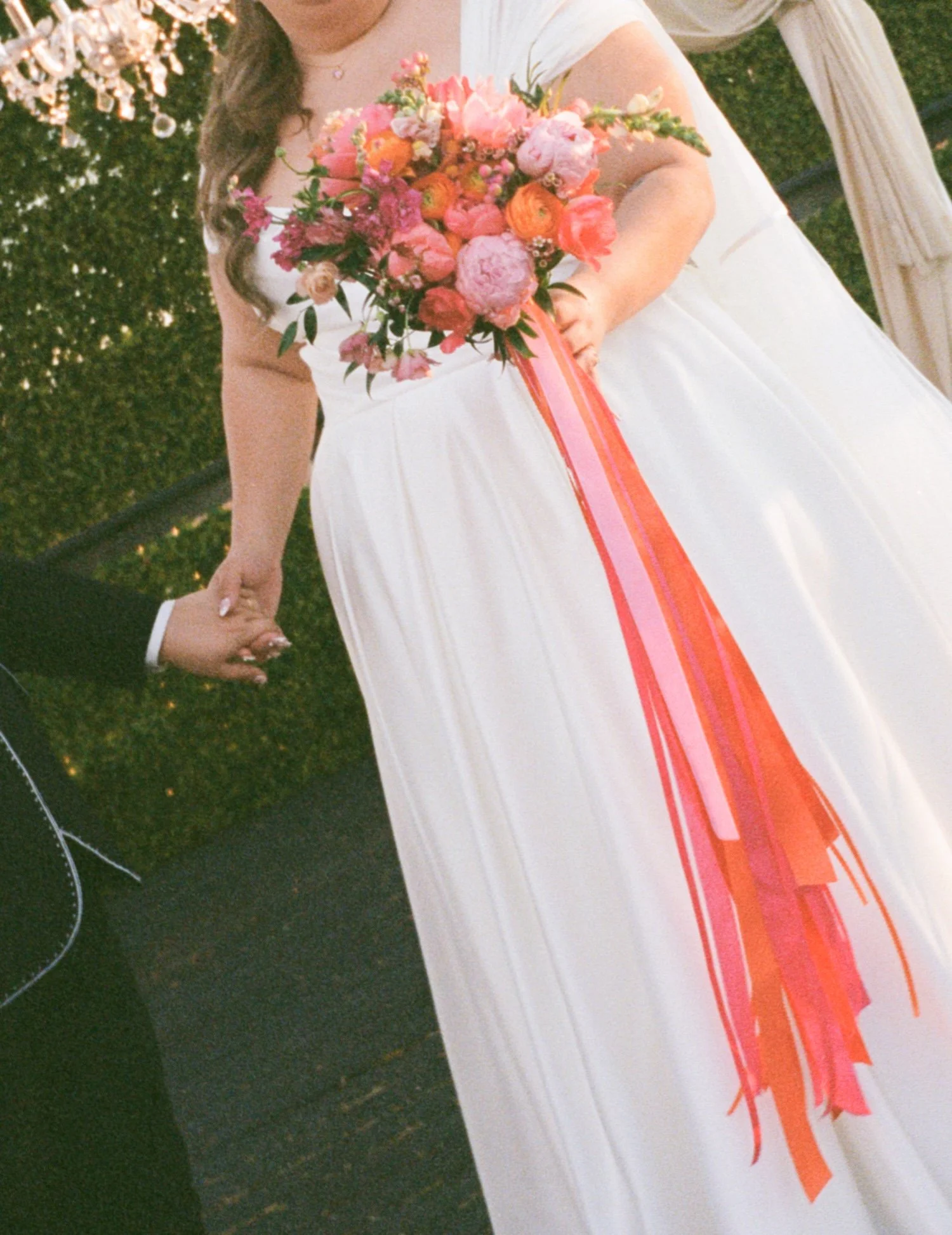
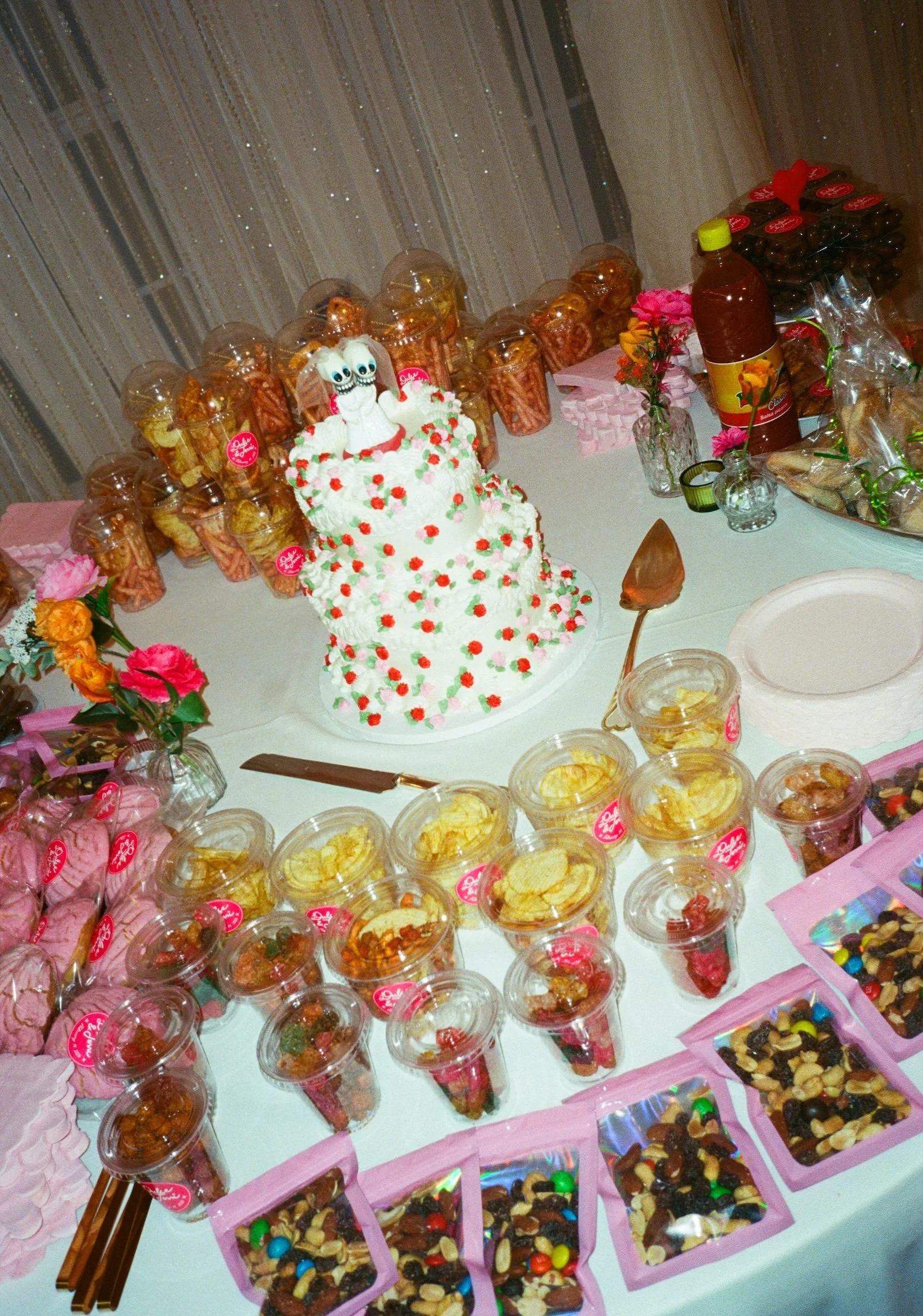
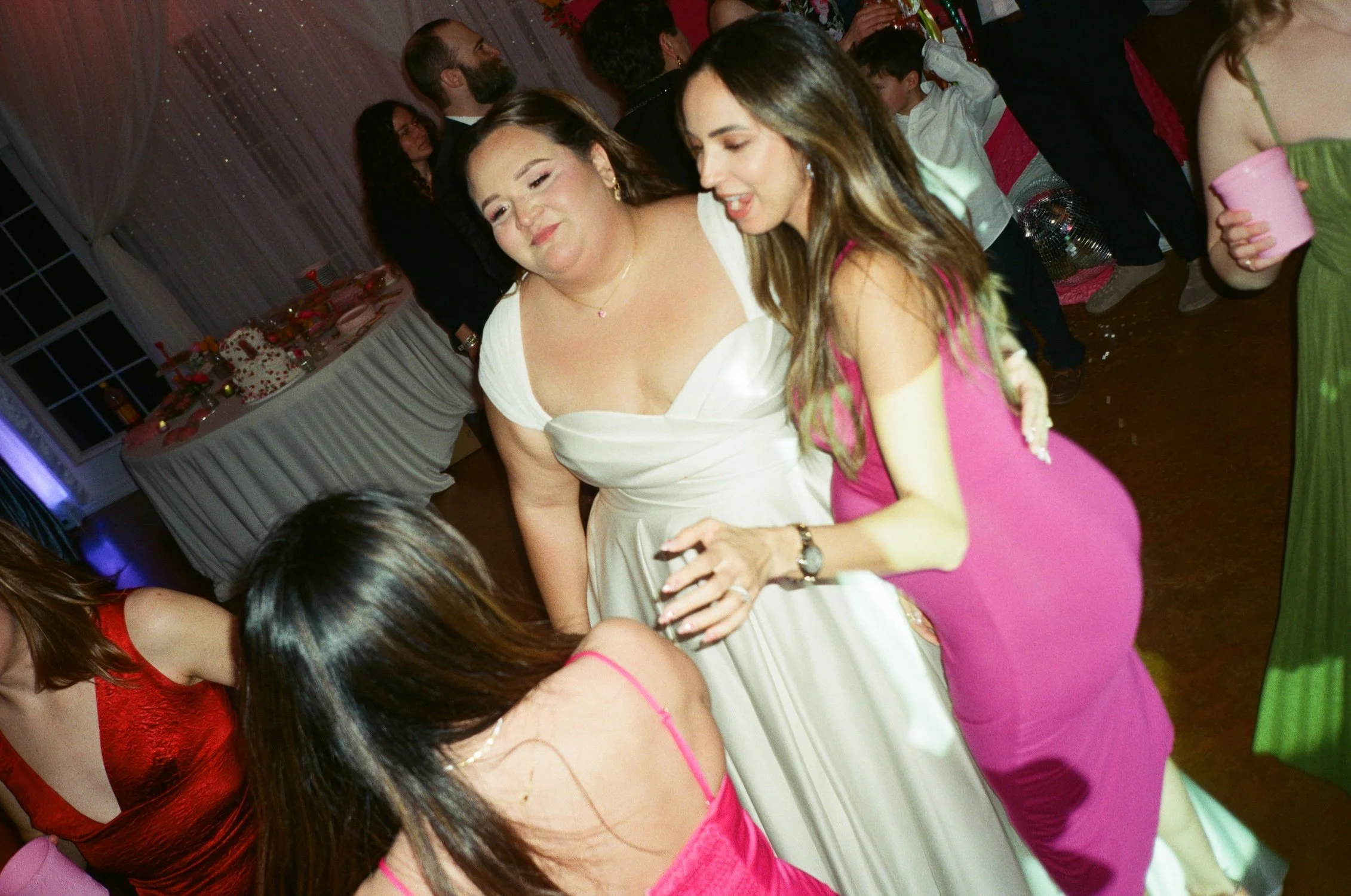
35mm film is probably the most familiar format. It’s the same type of film used in disposable cameras and many vintage point-and-shoot cameras.
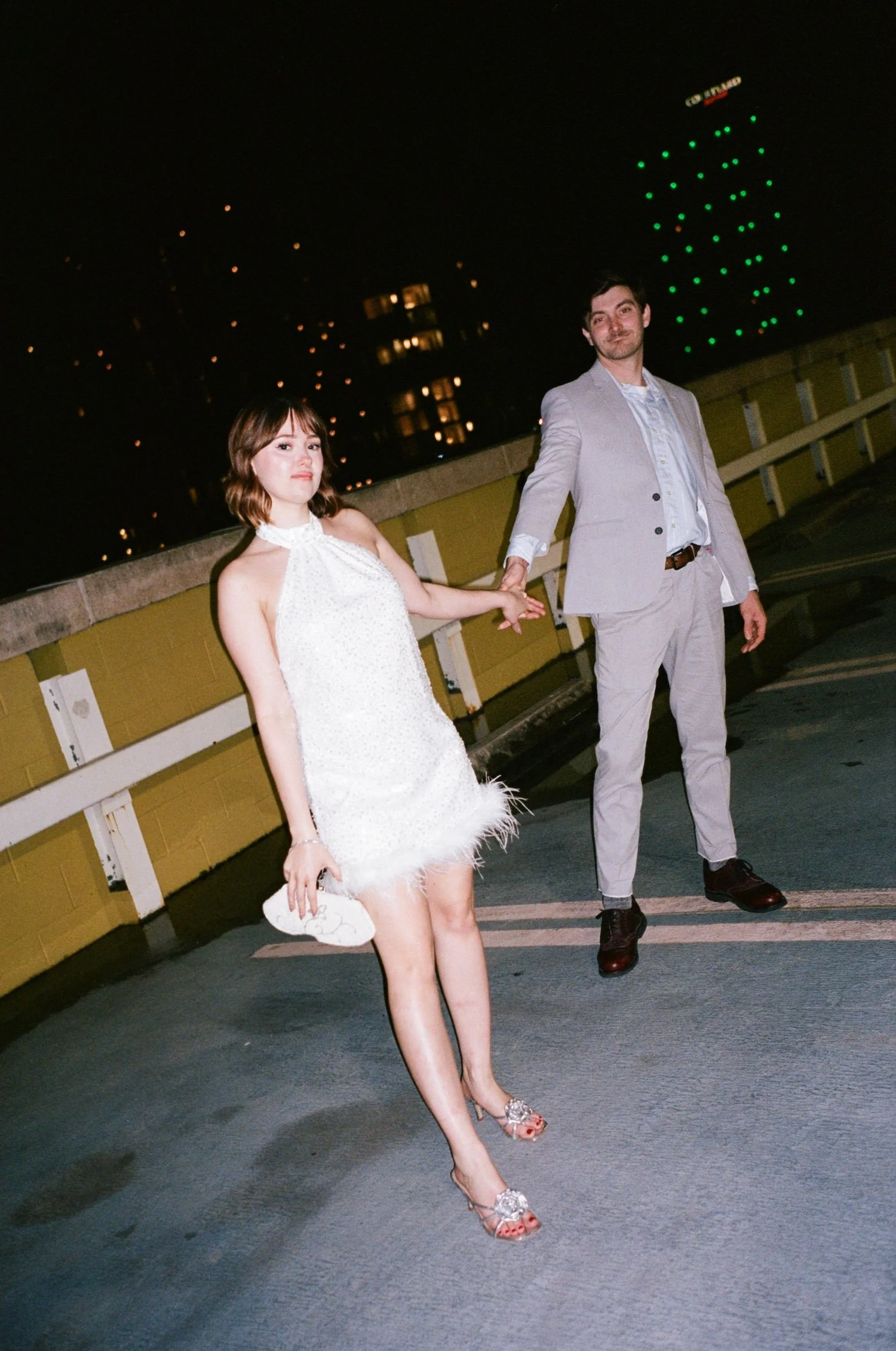
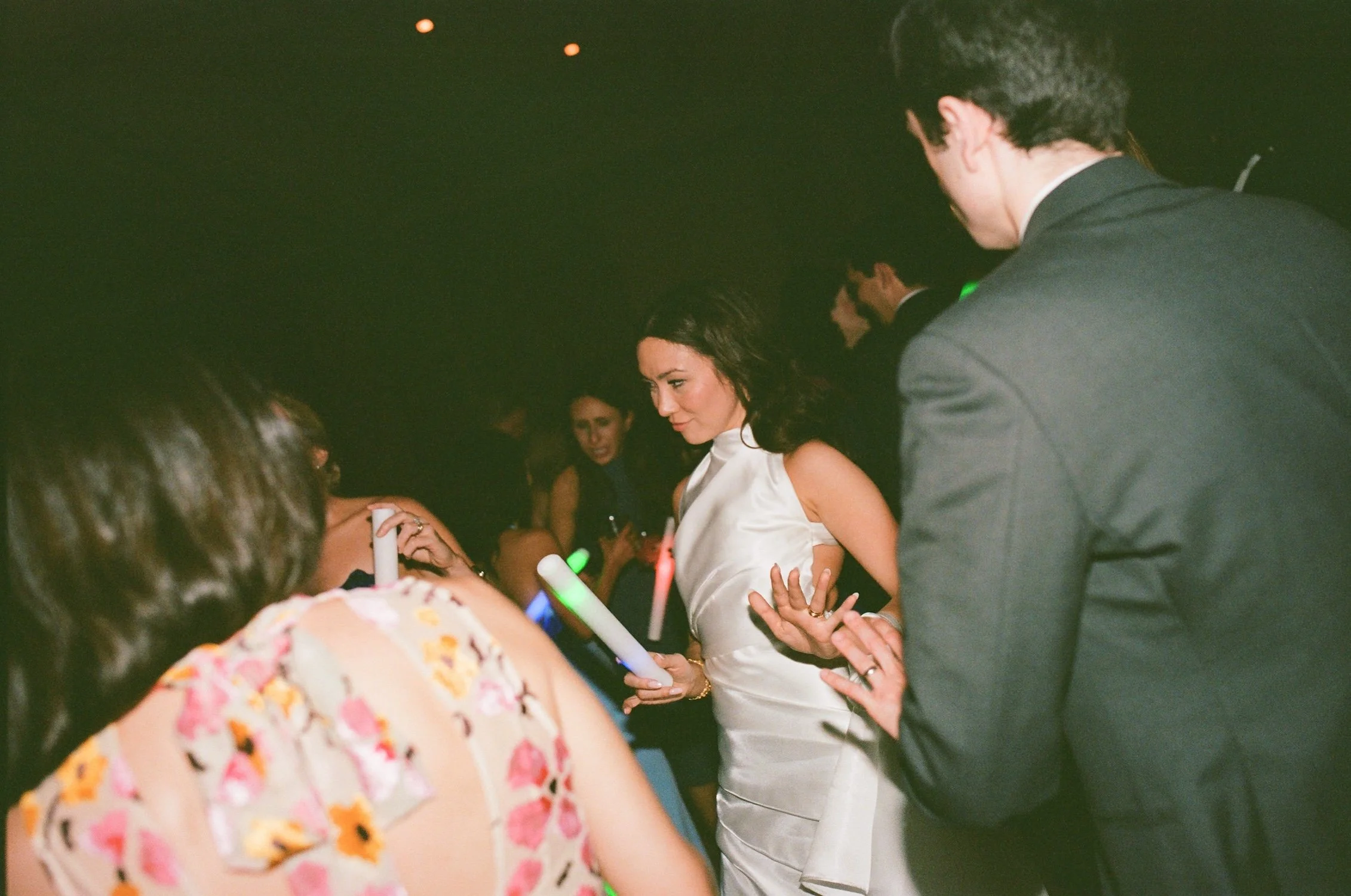
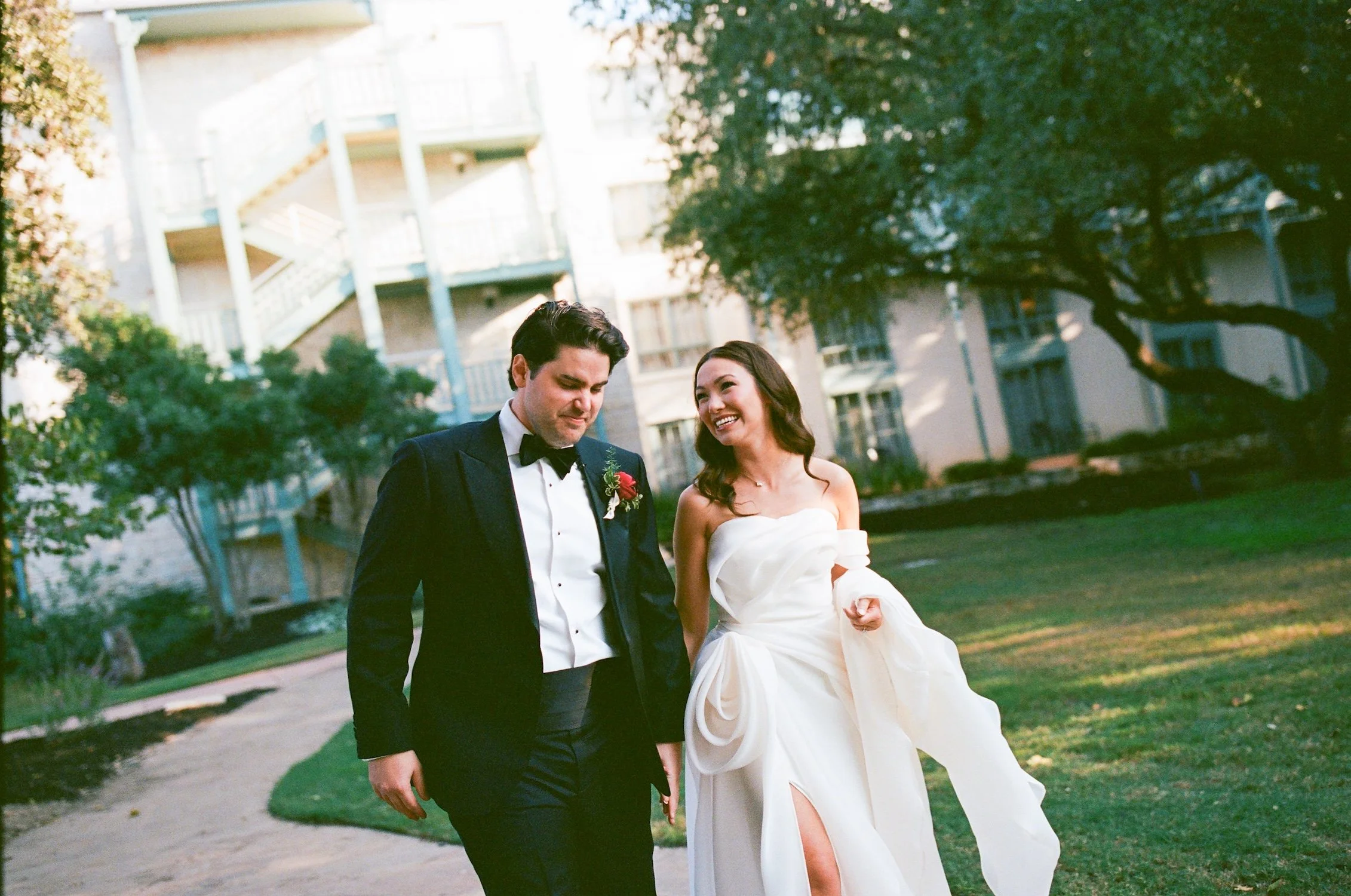
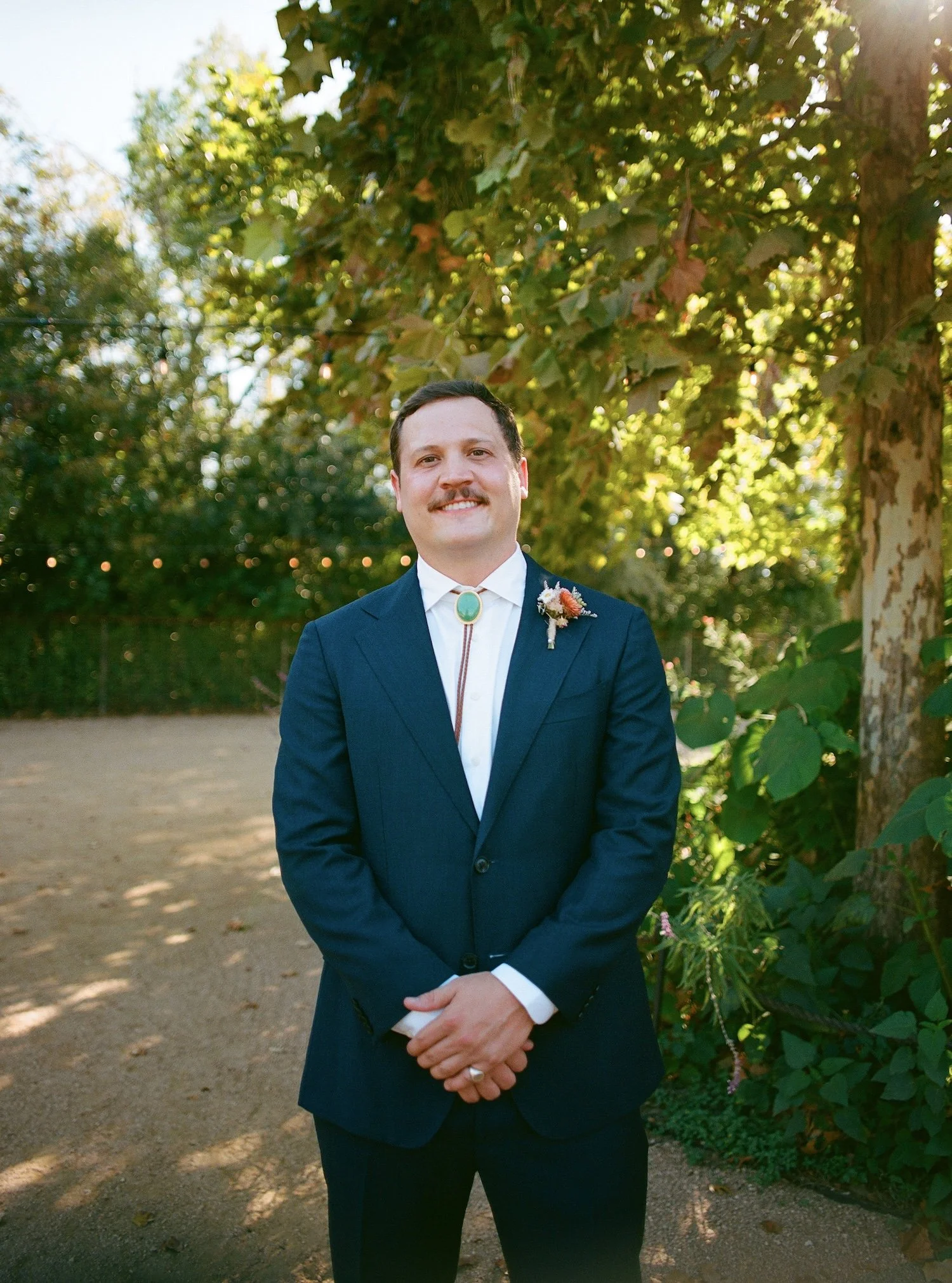
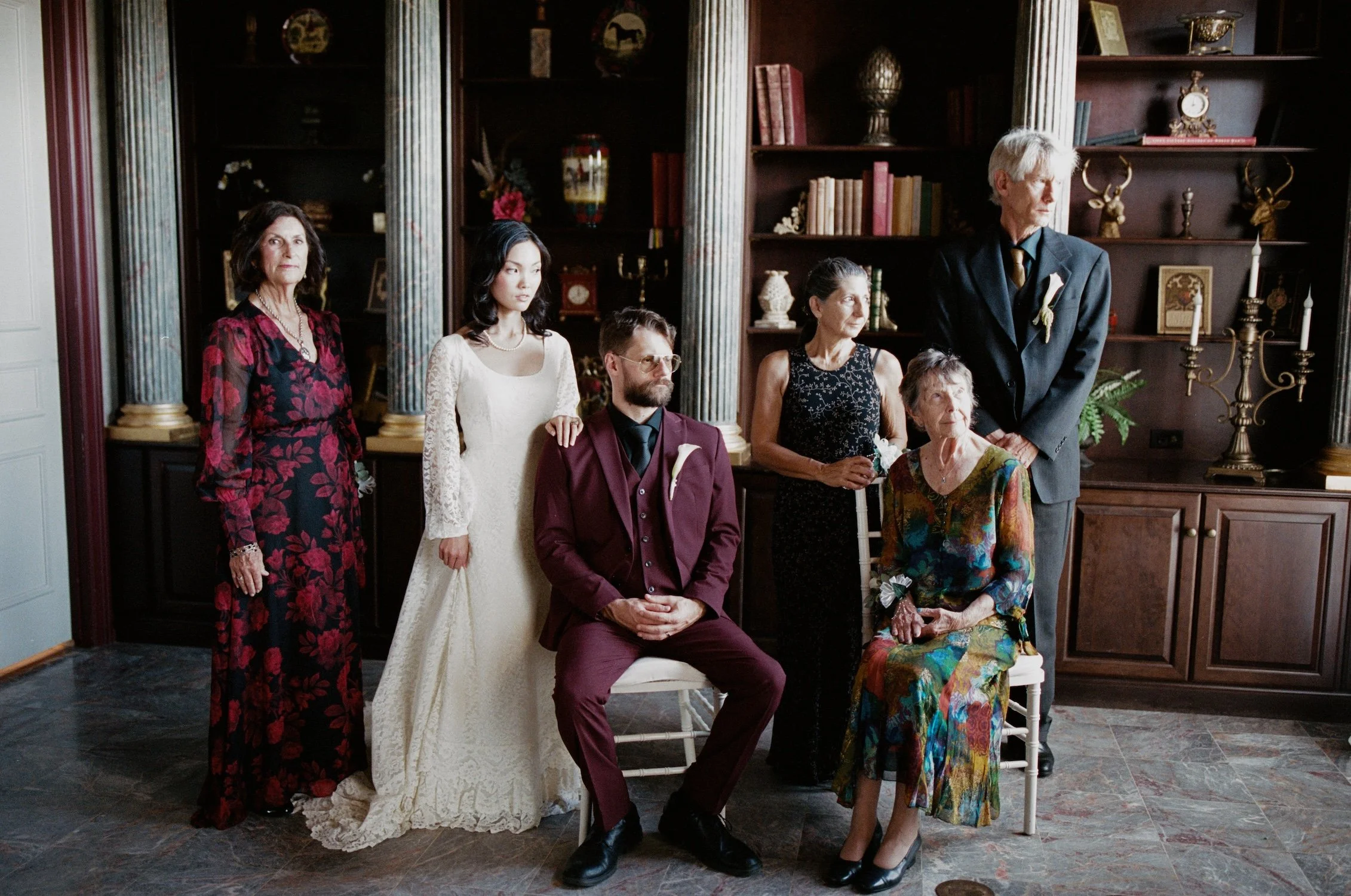
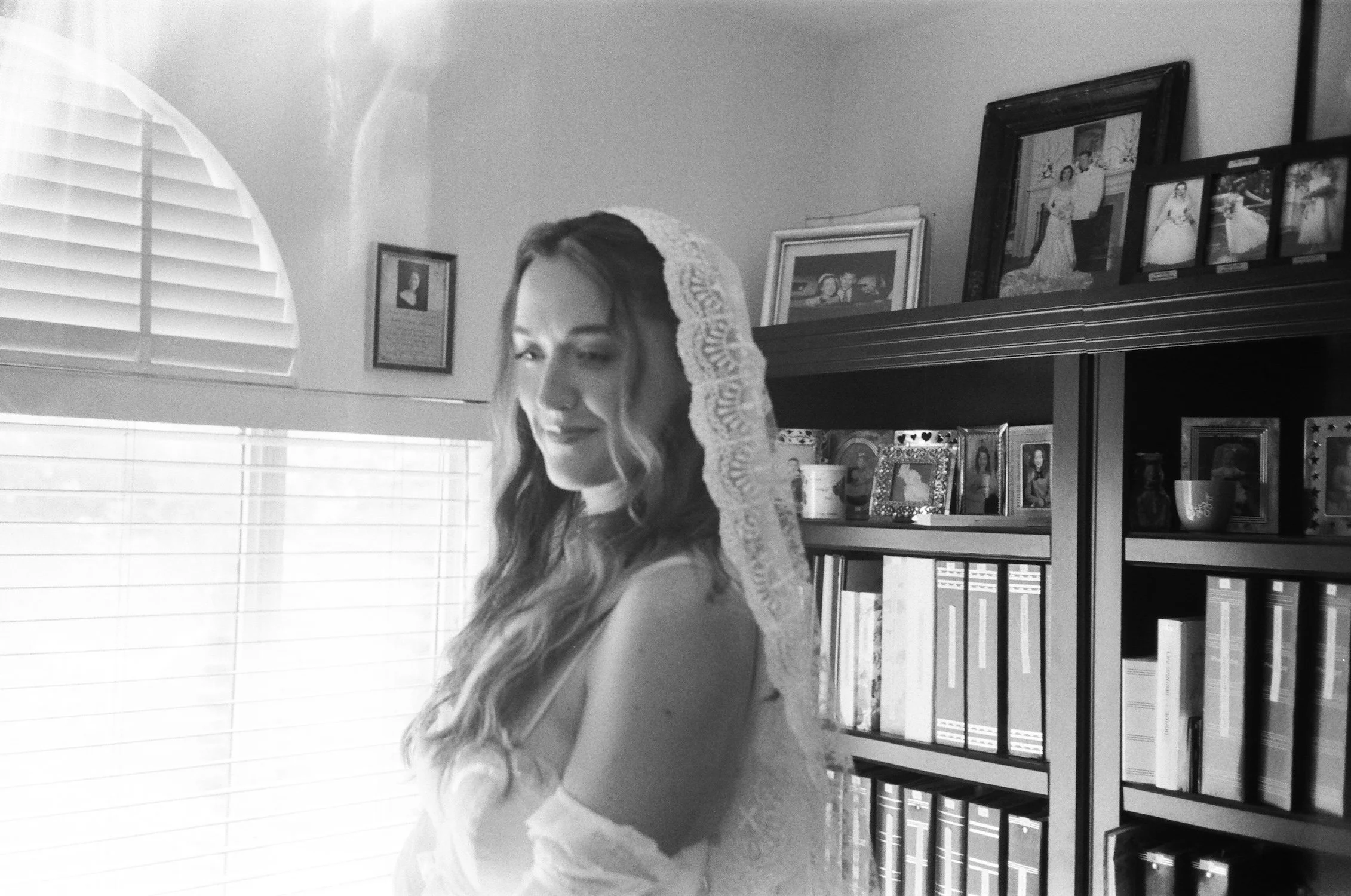
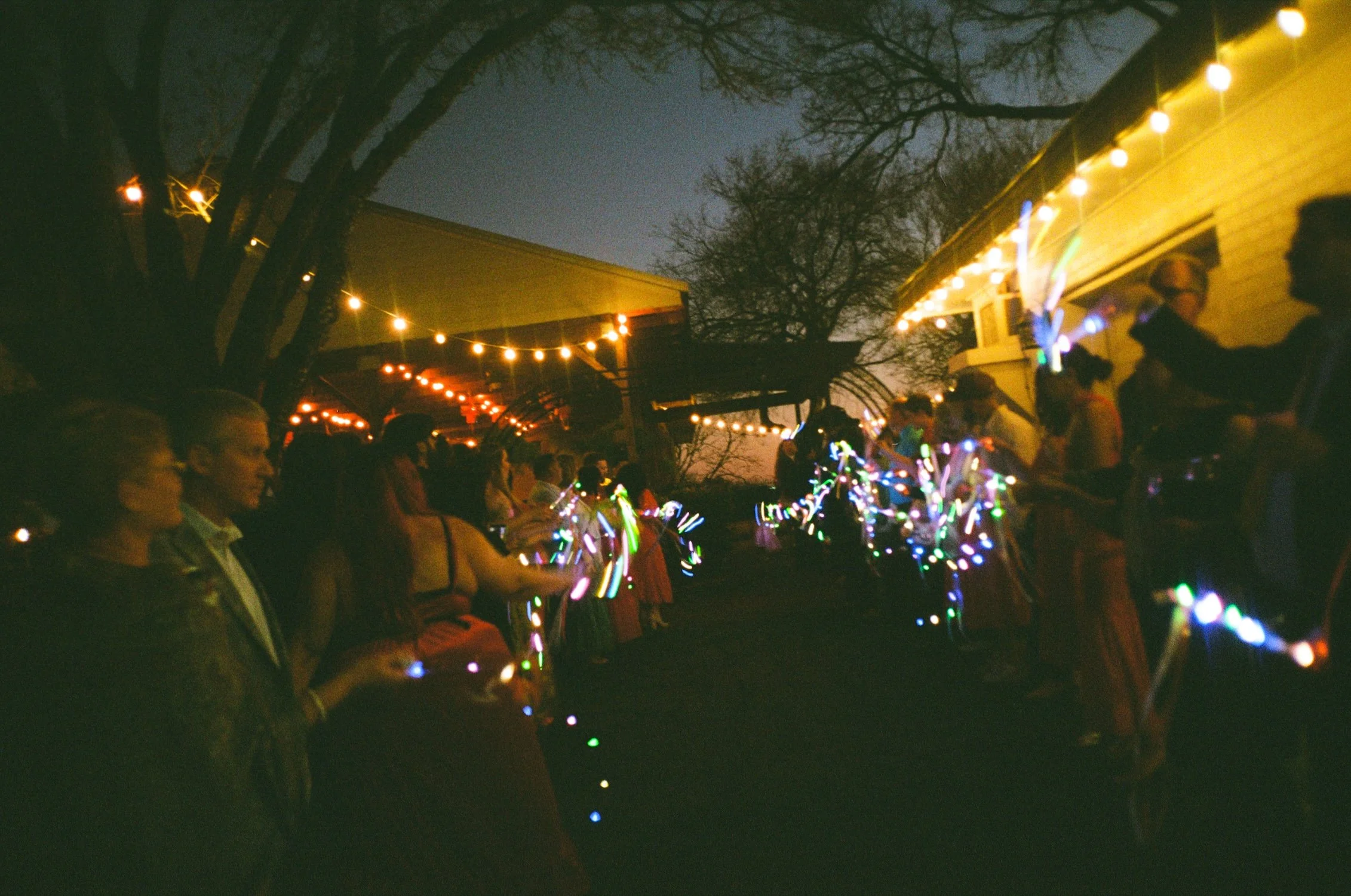
Photos taken on 35mm often have that classic nostalgic vibe — a little grainier, a little looser, and perfect for candid moments throughout the day.
I often use 35mm film for documentary-style photos: friends hugging, people laughing during cocktail hour, or those quick in-between moments that make a wedding day feel alive.
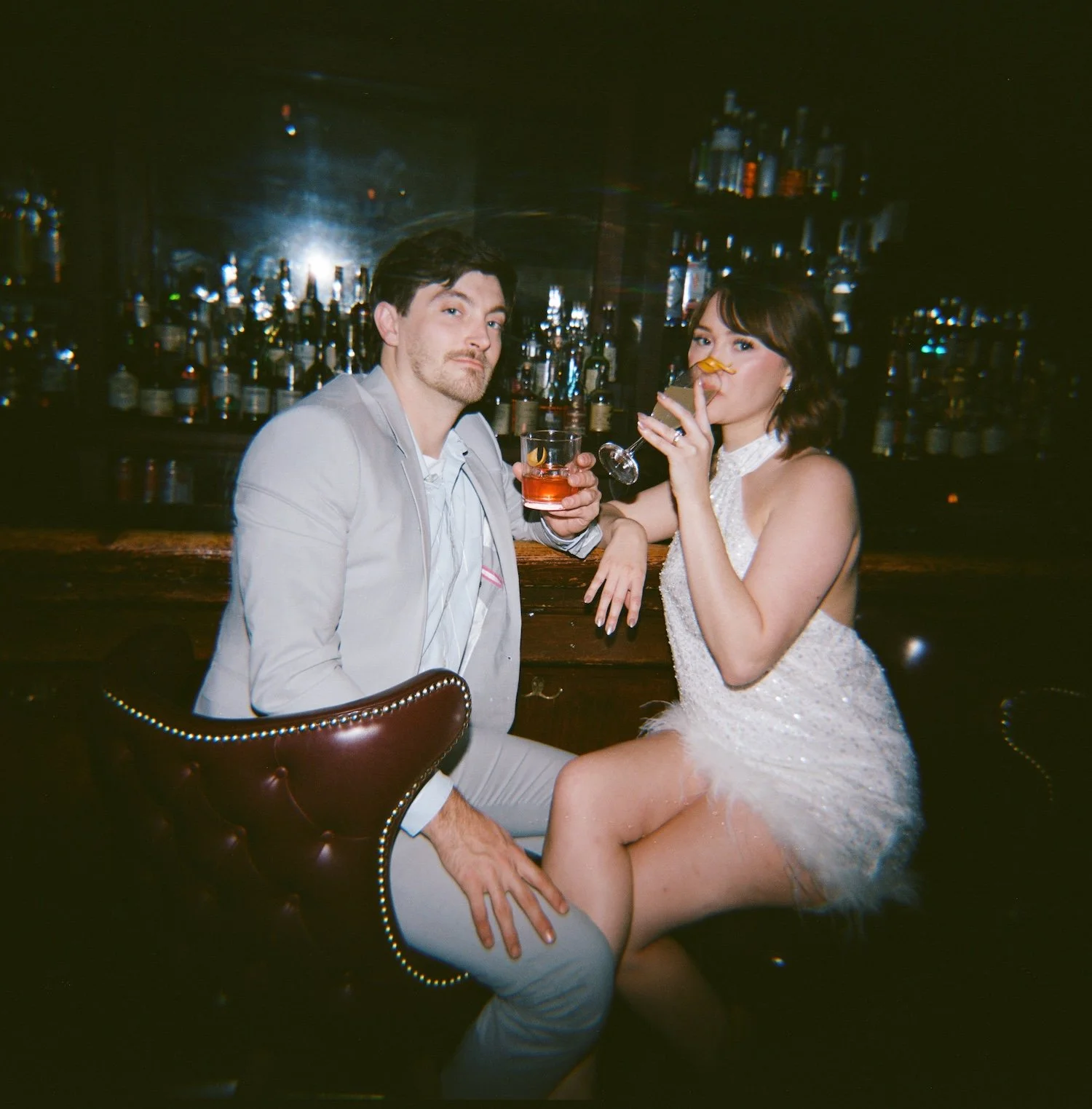
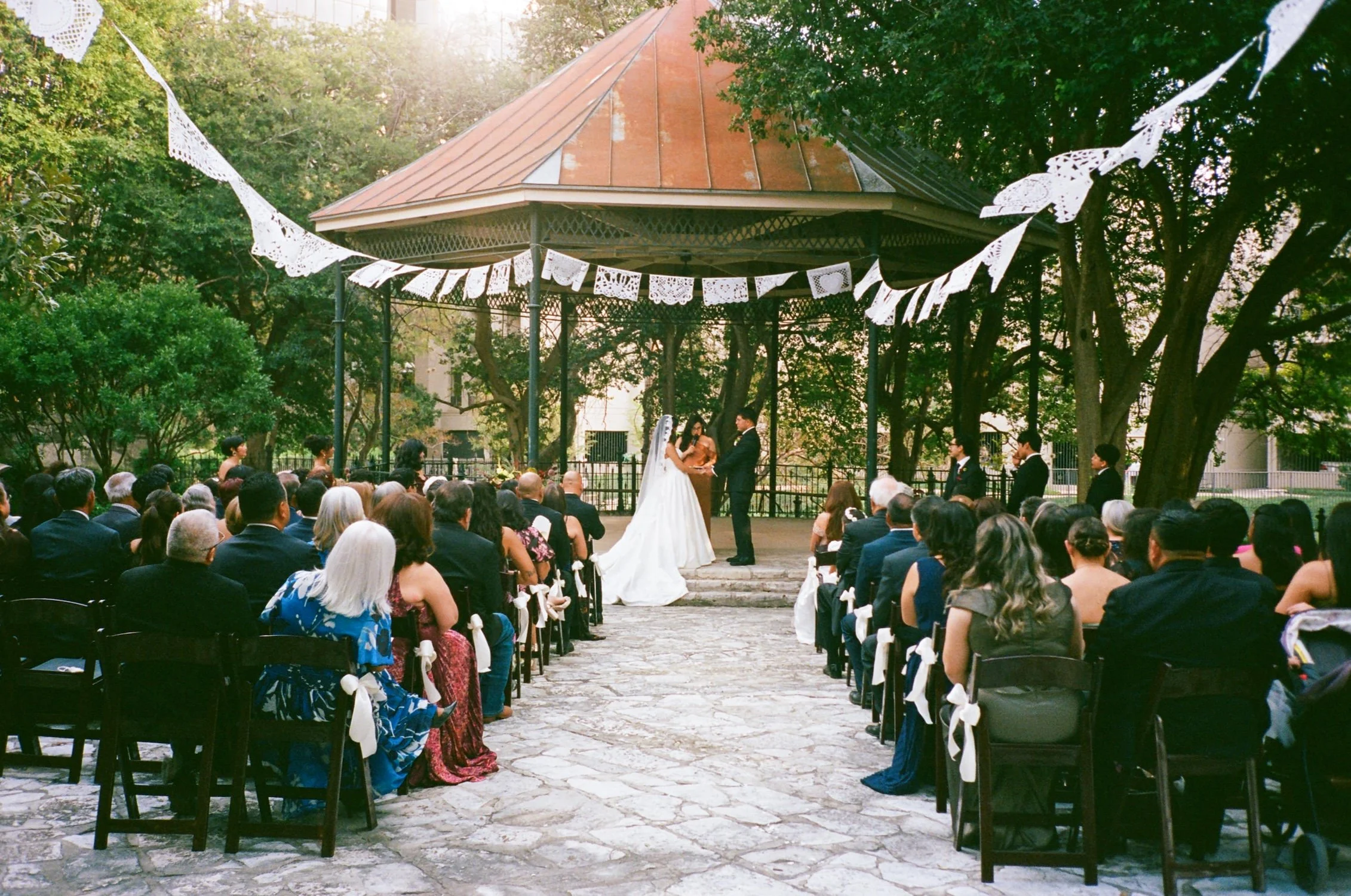
Medium Format Film (120 Film)
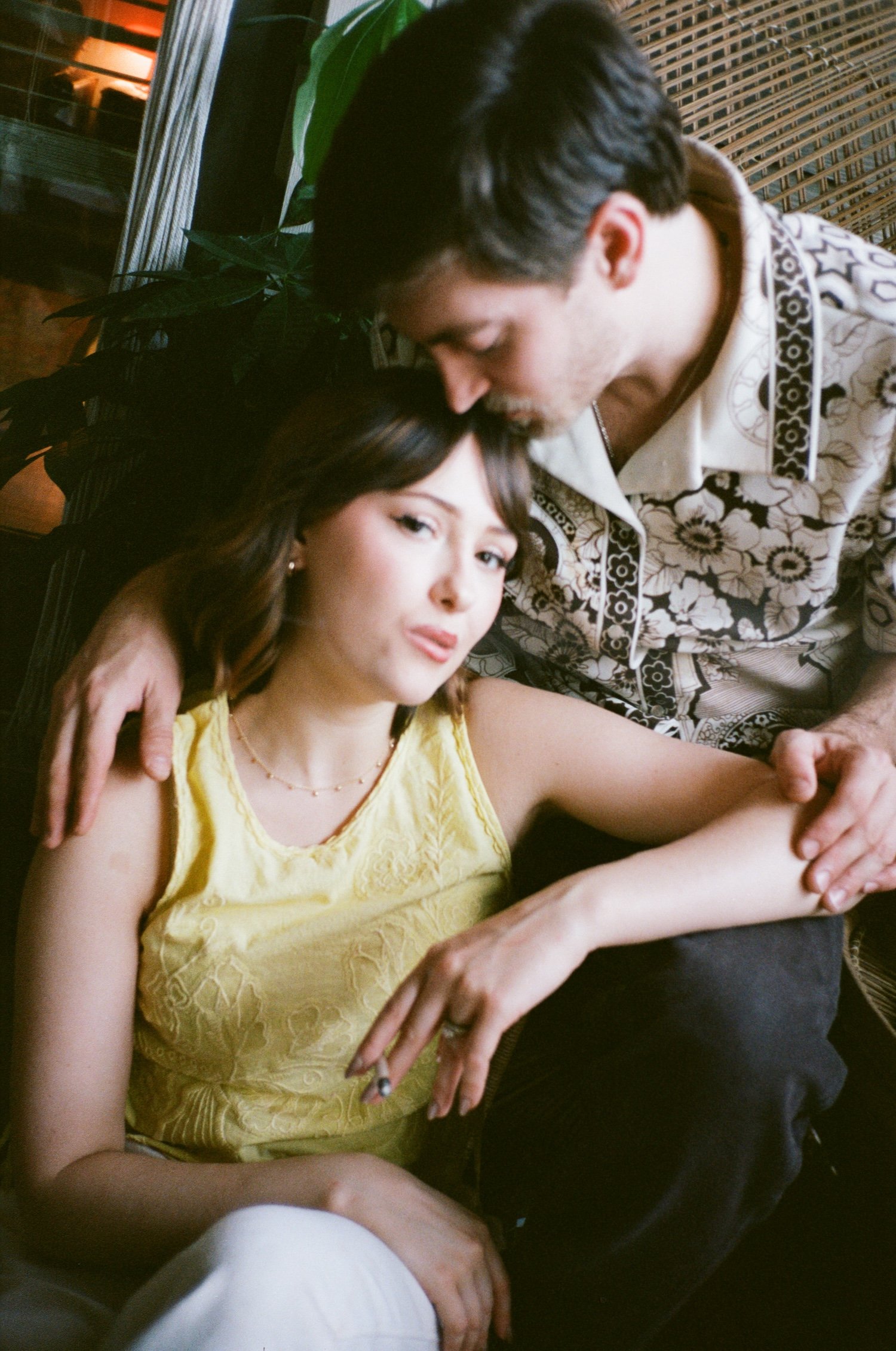
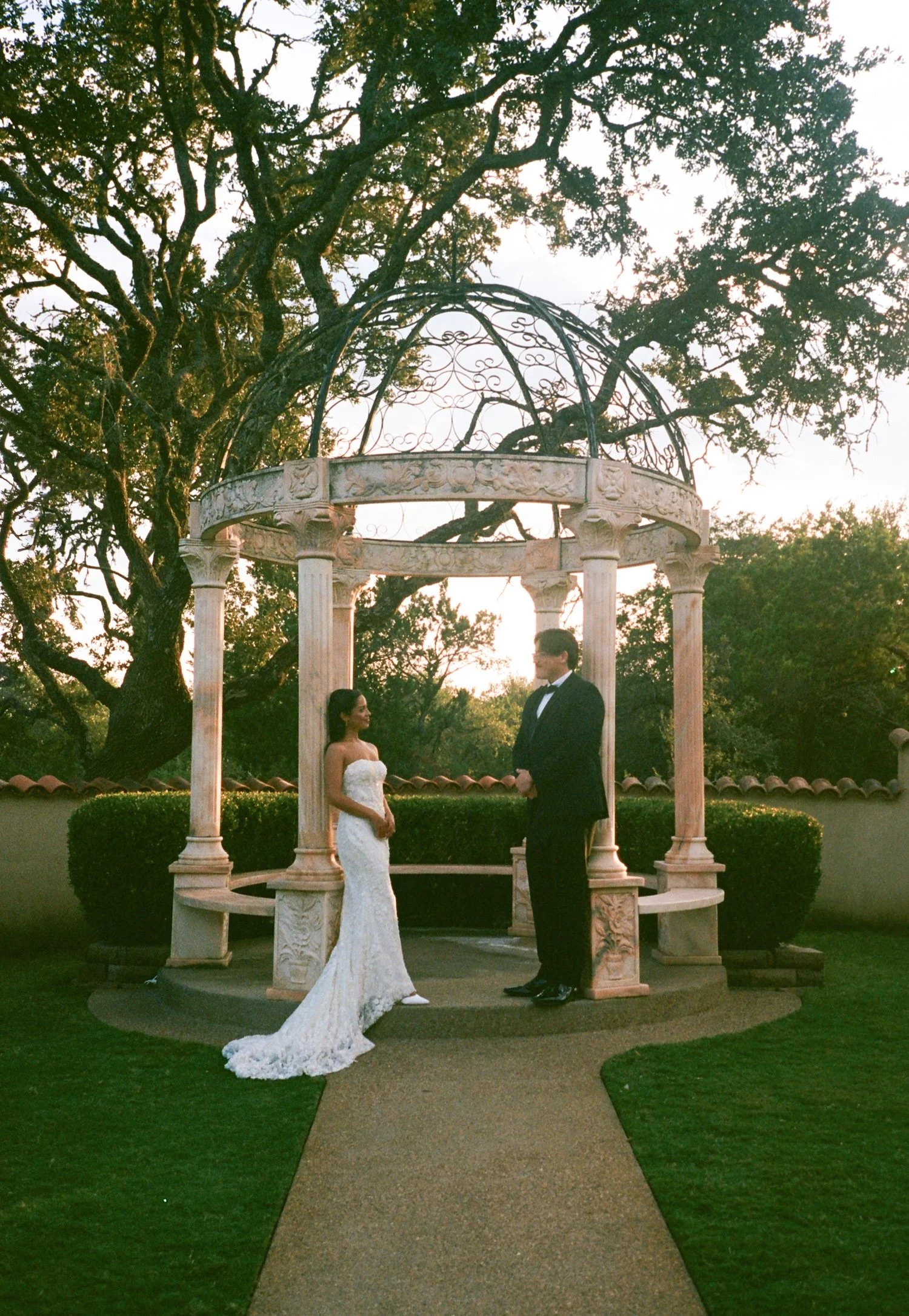
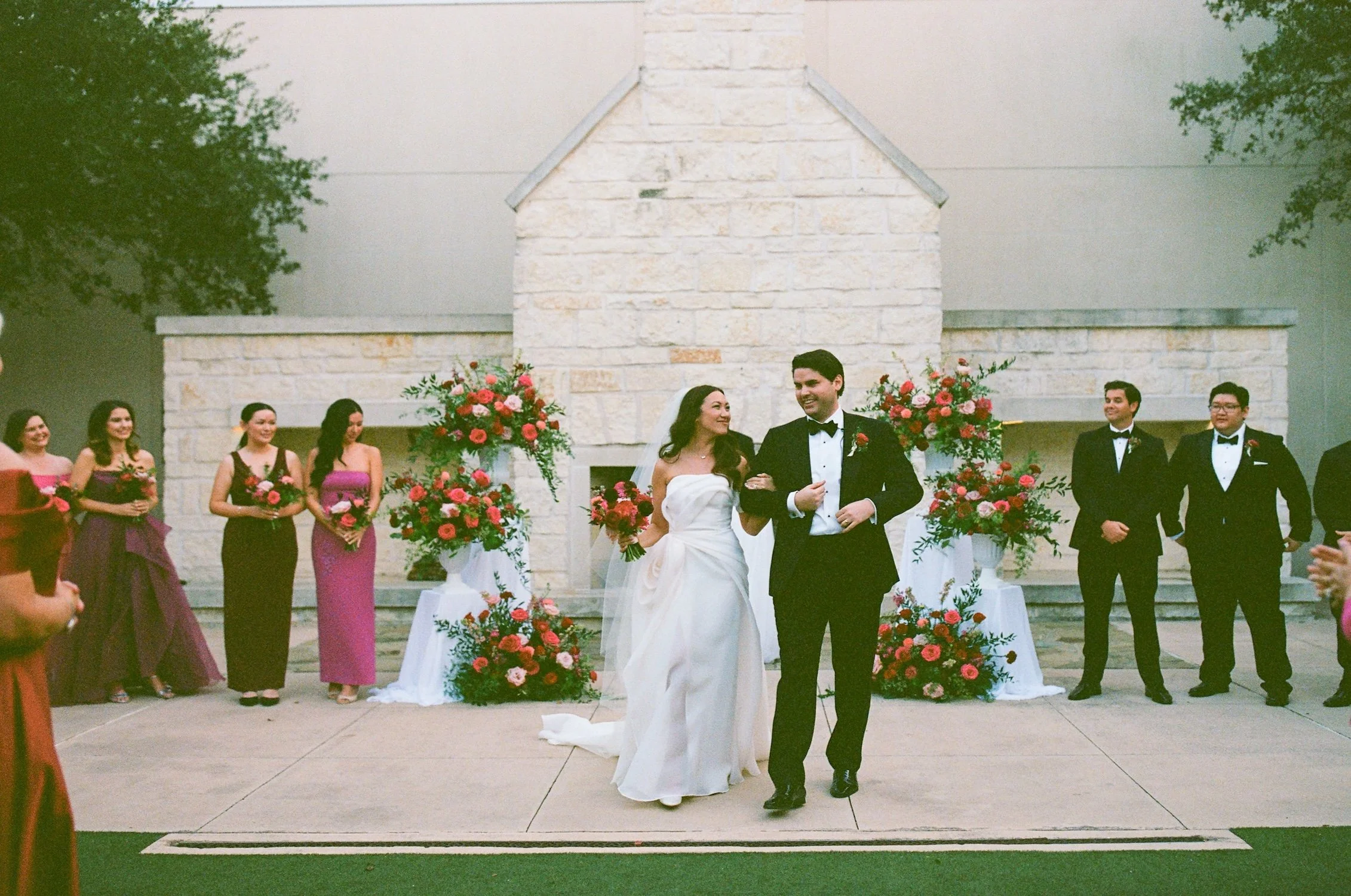
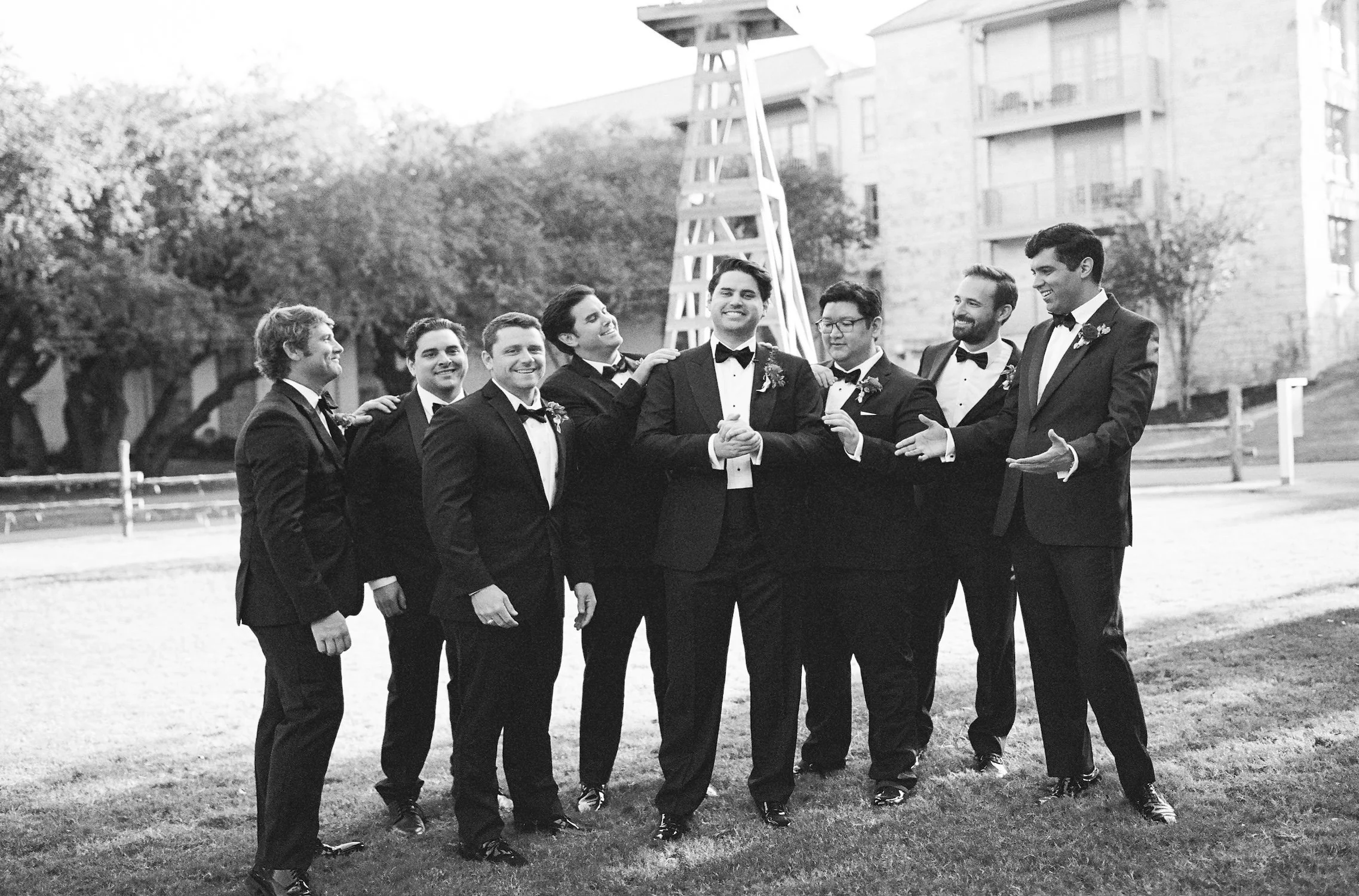
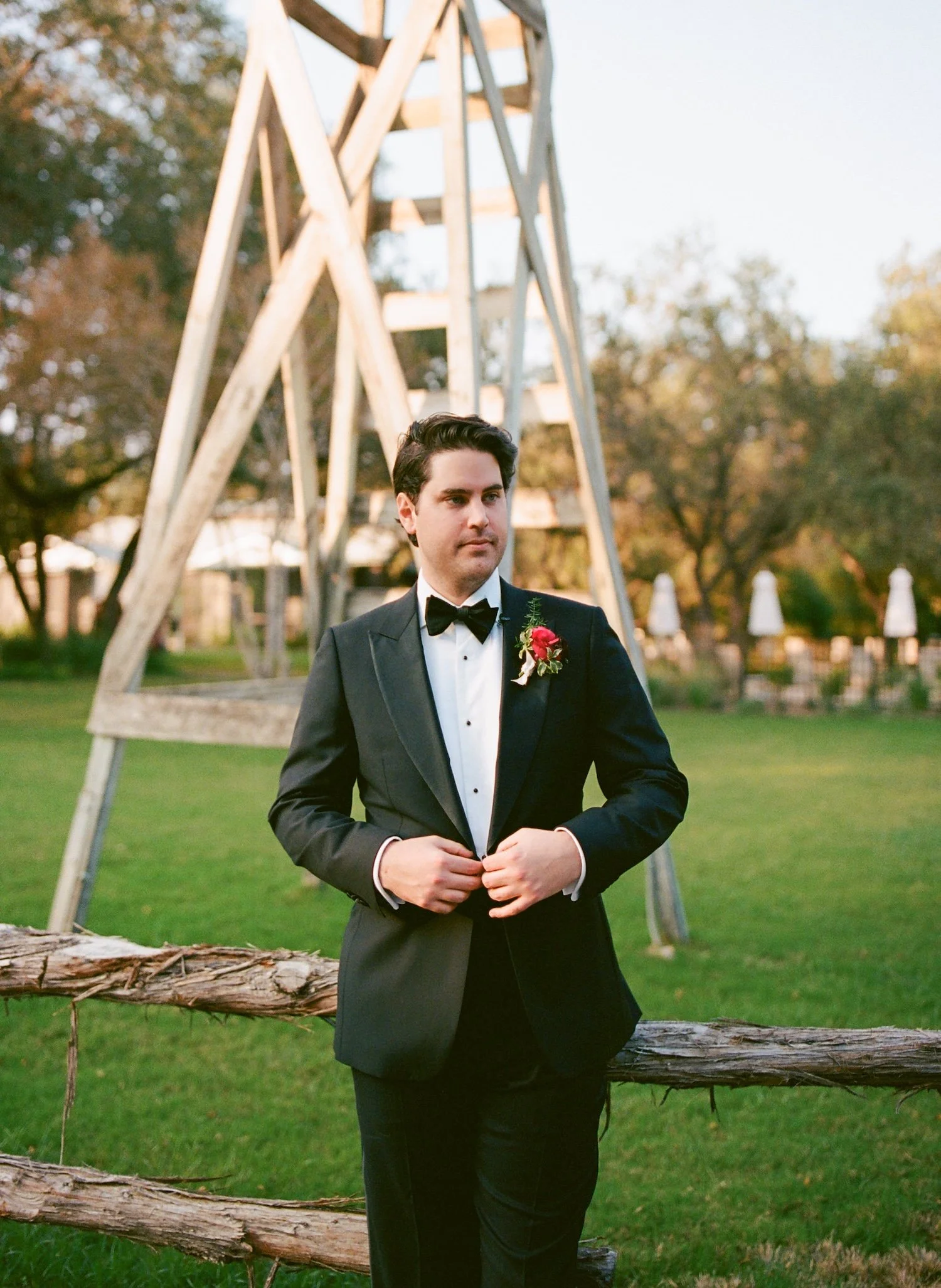
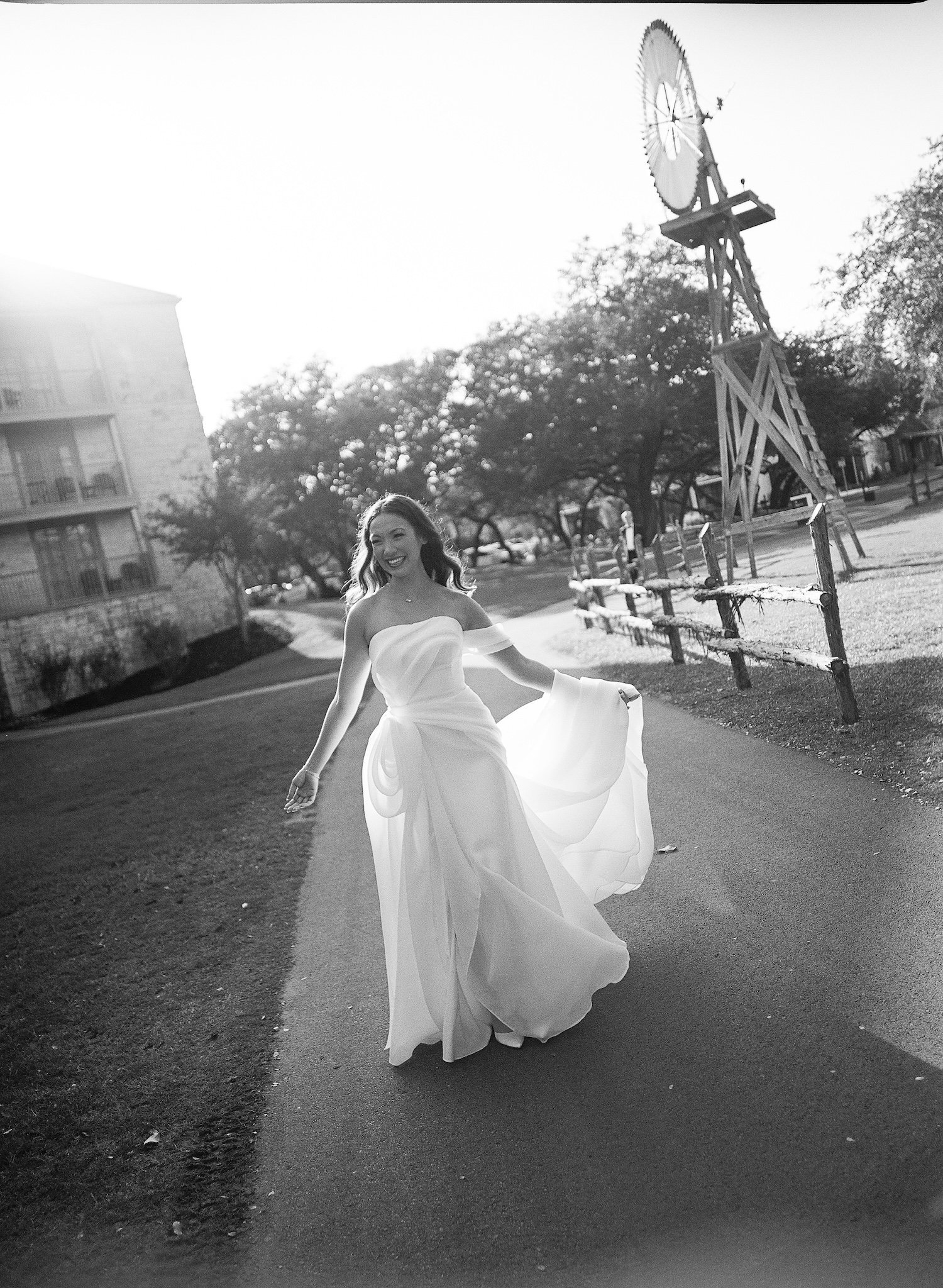
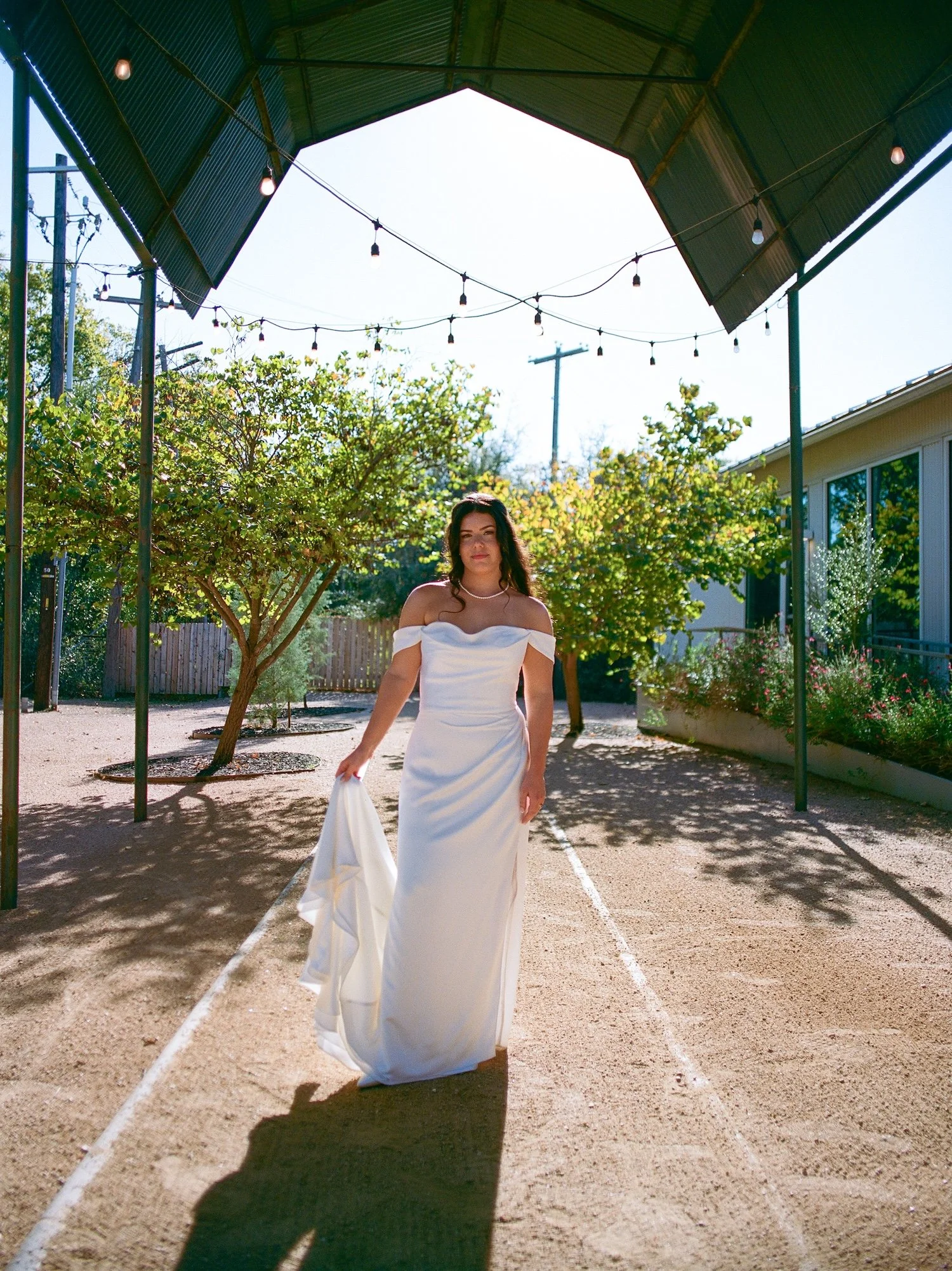
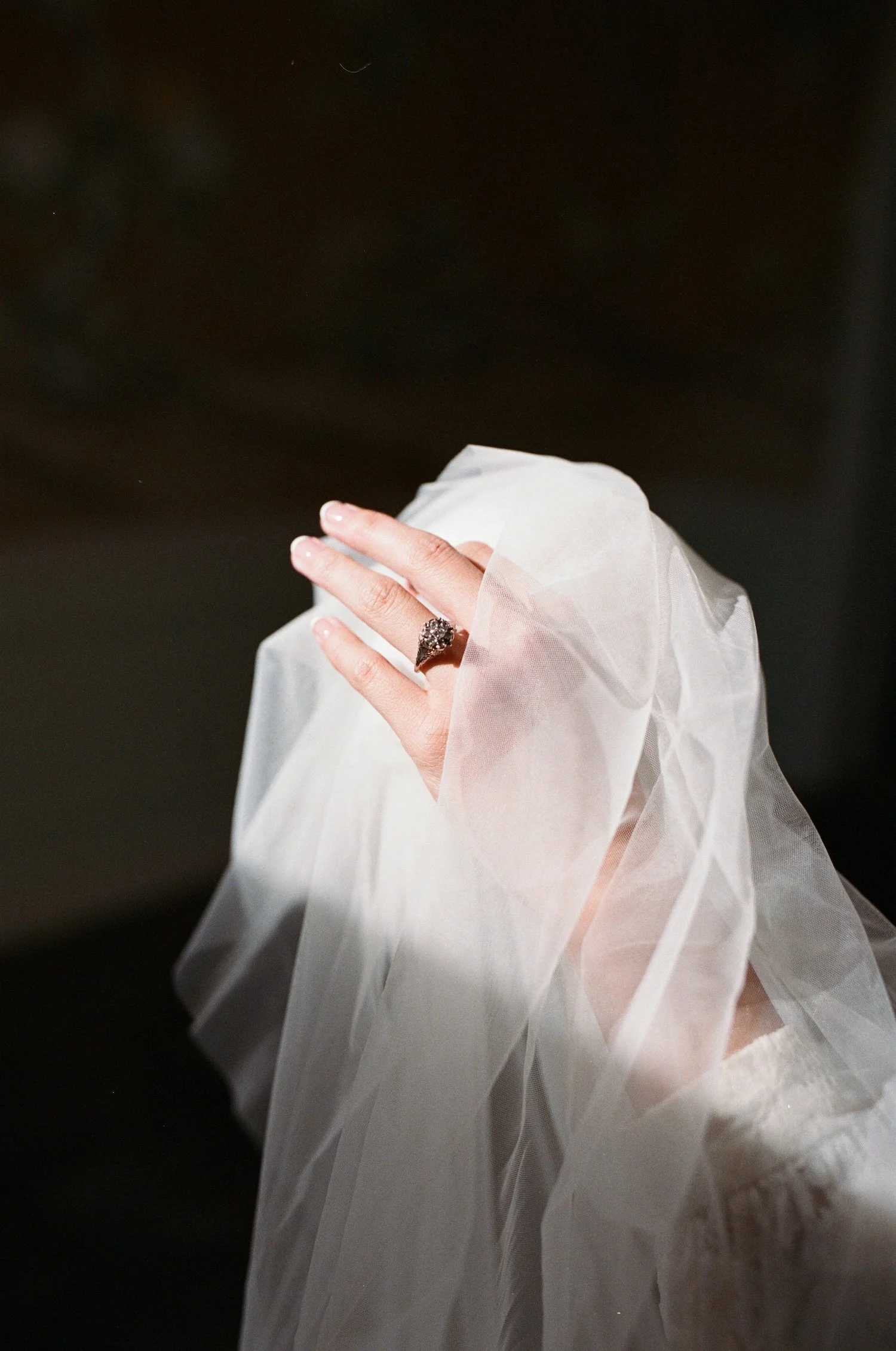
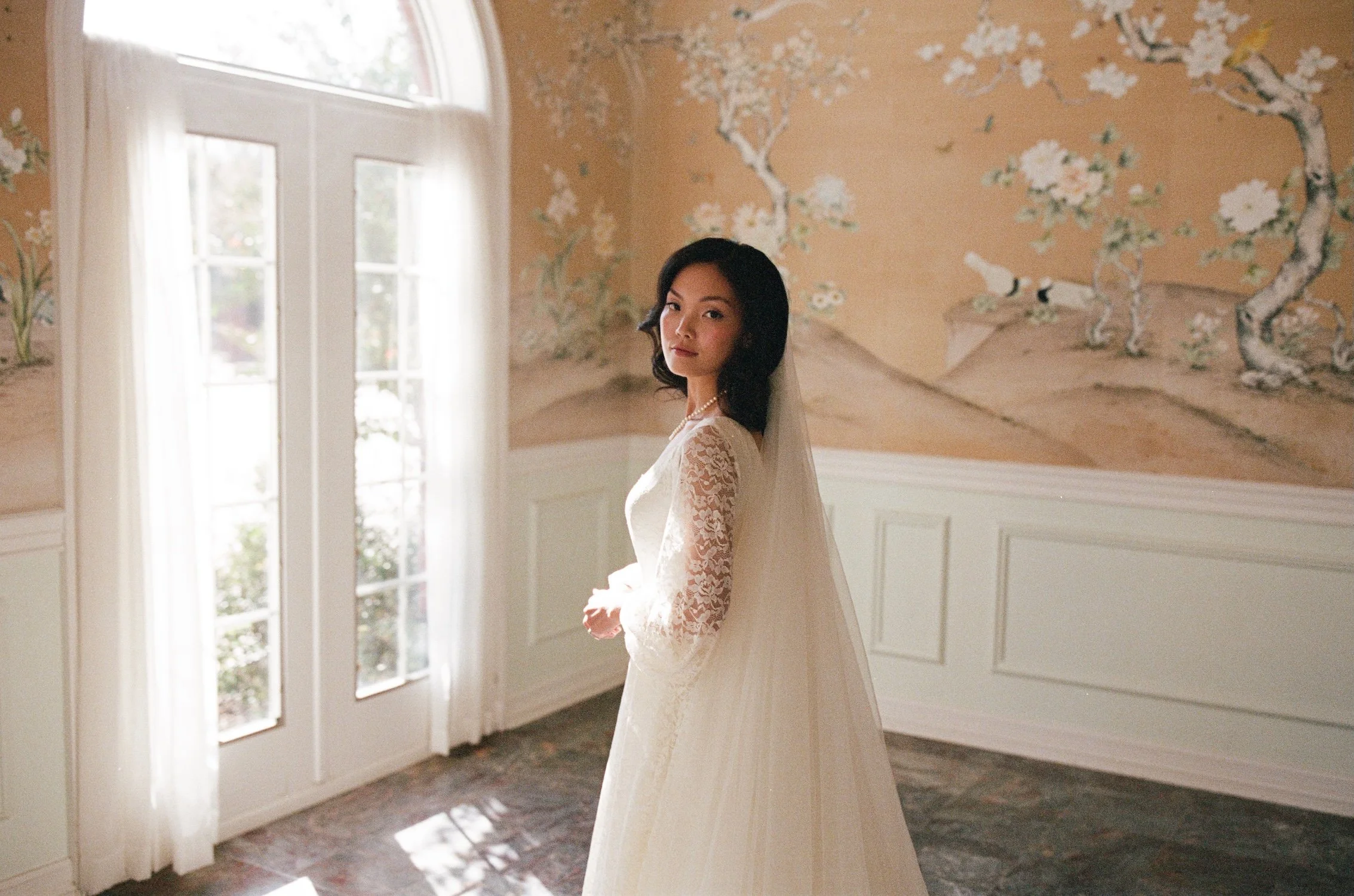
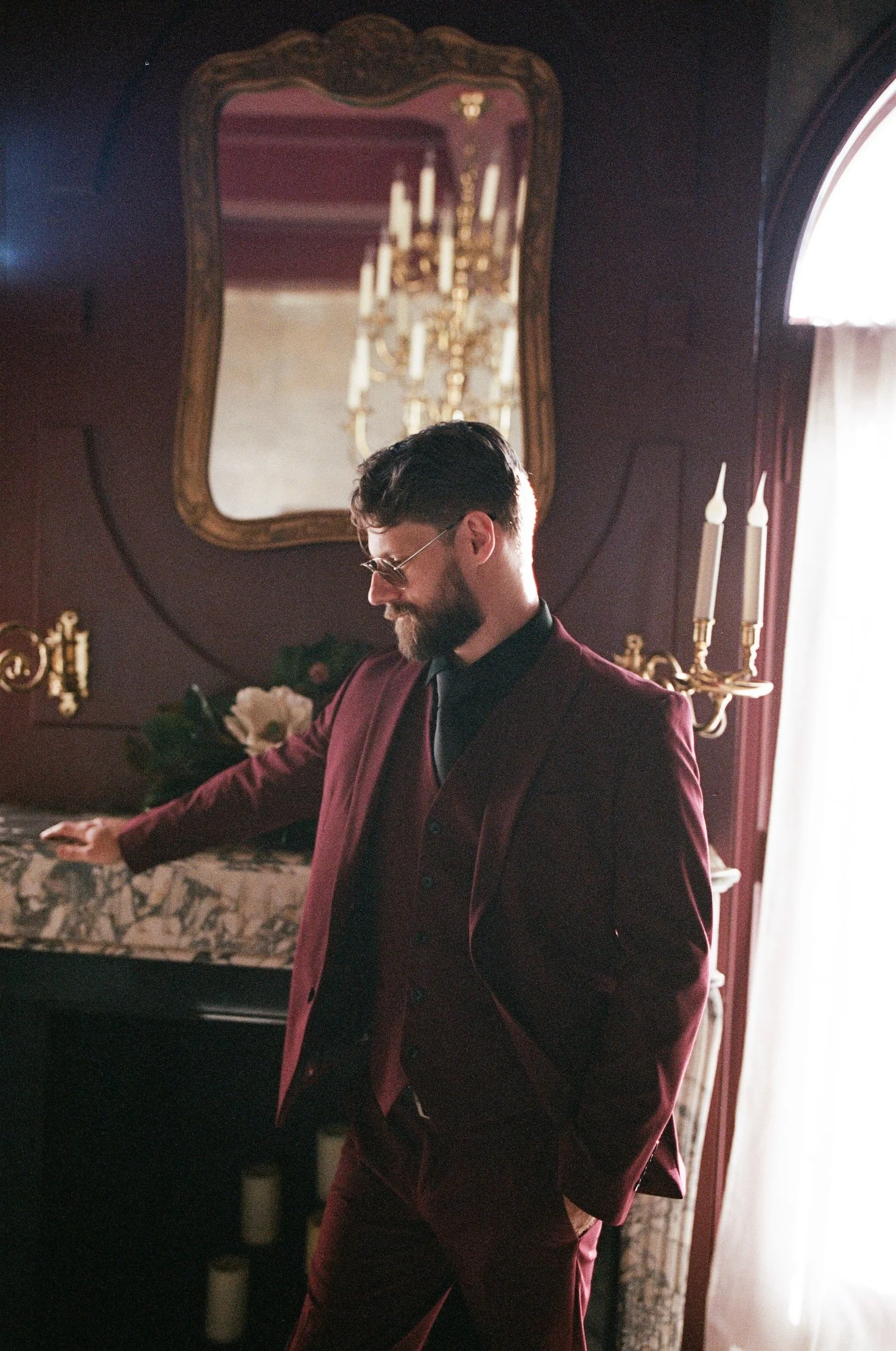
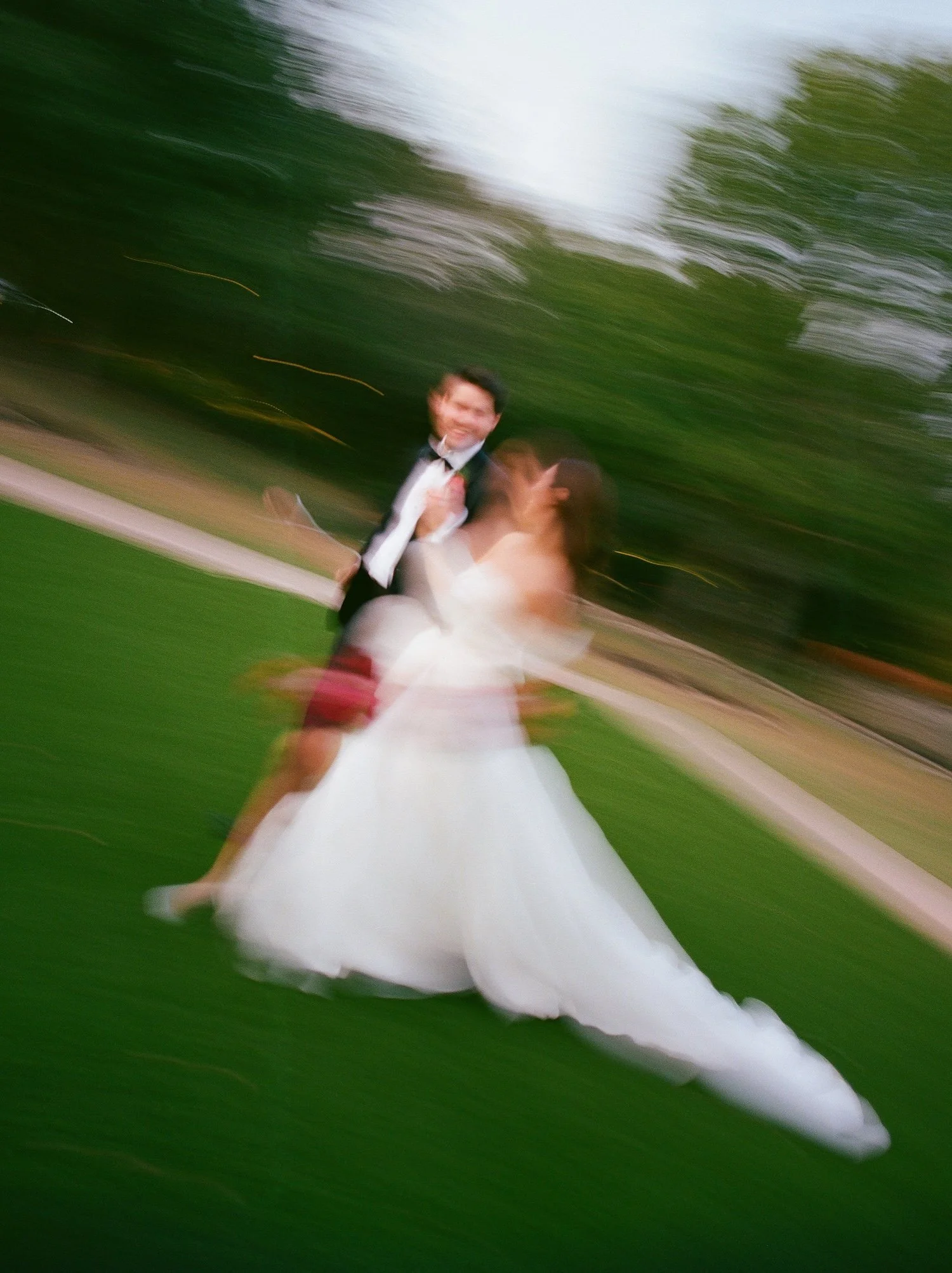
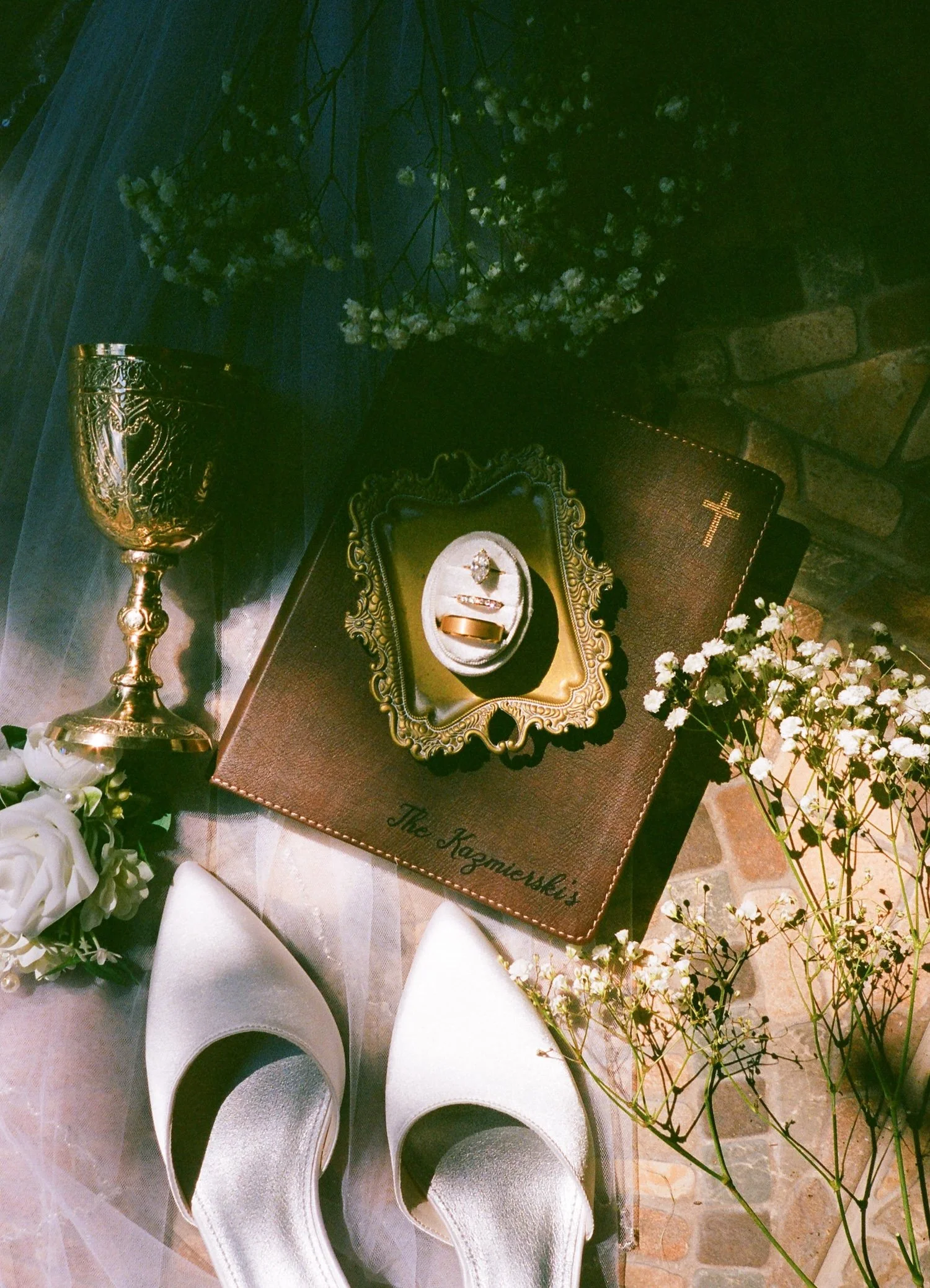
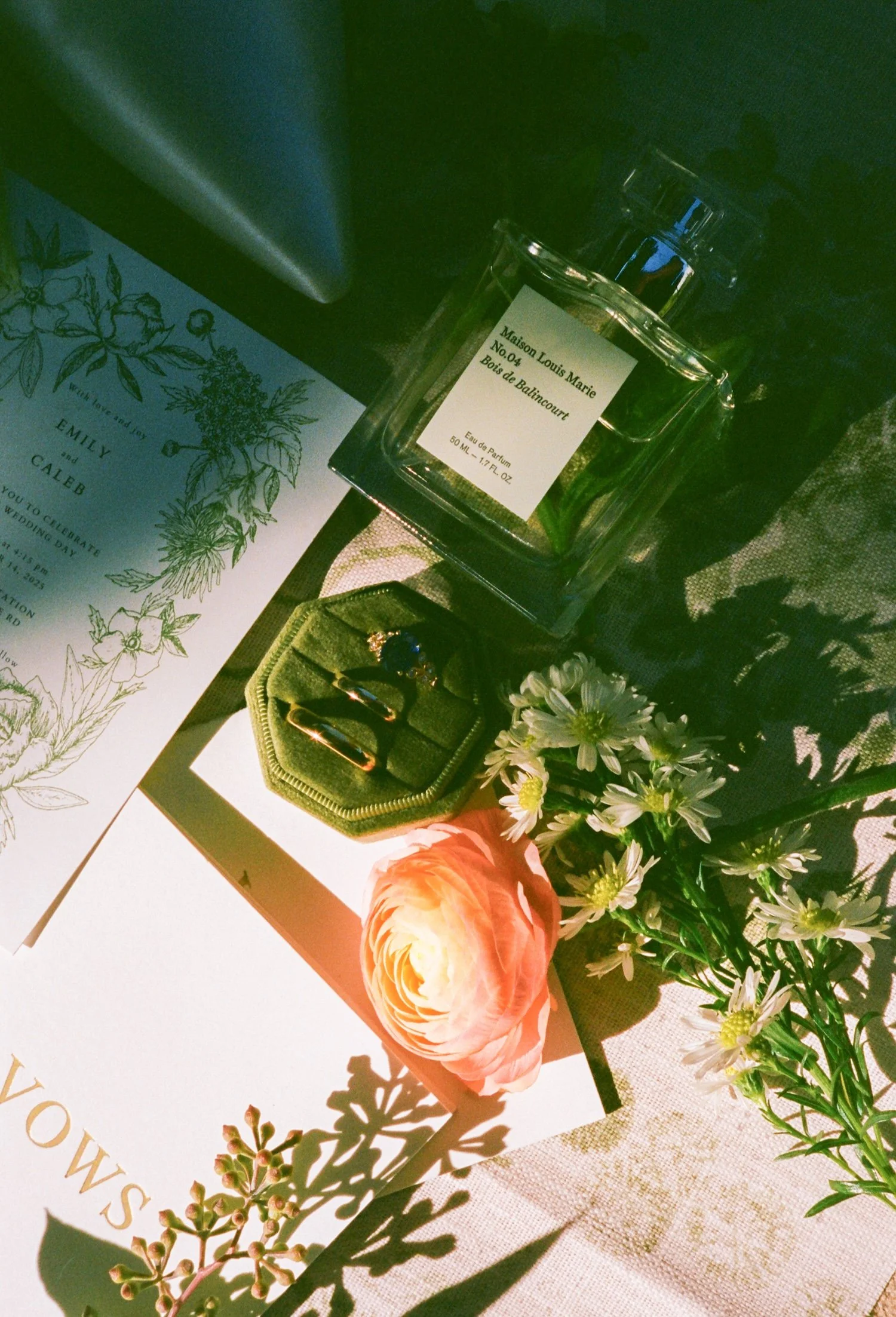
Medium format film produces a larger negative, which means higher resolution and more detail. The result is images that feel incredibly rich and sharp, with deeper color and beautiful tonal range.
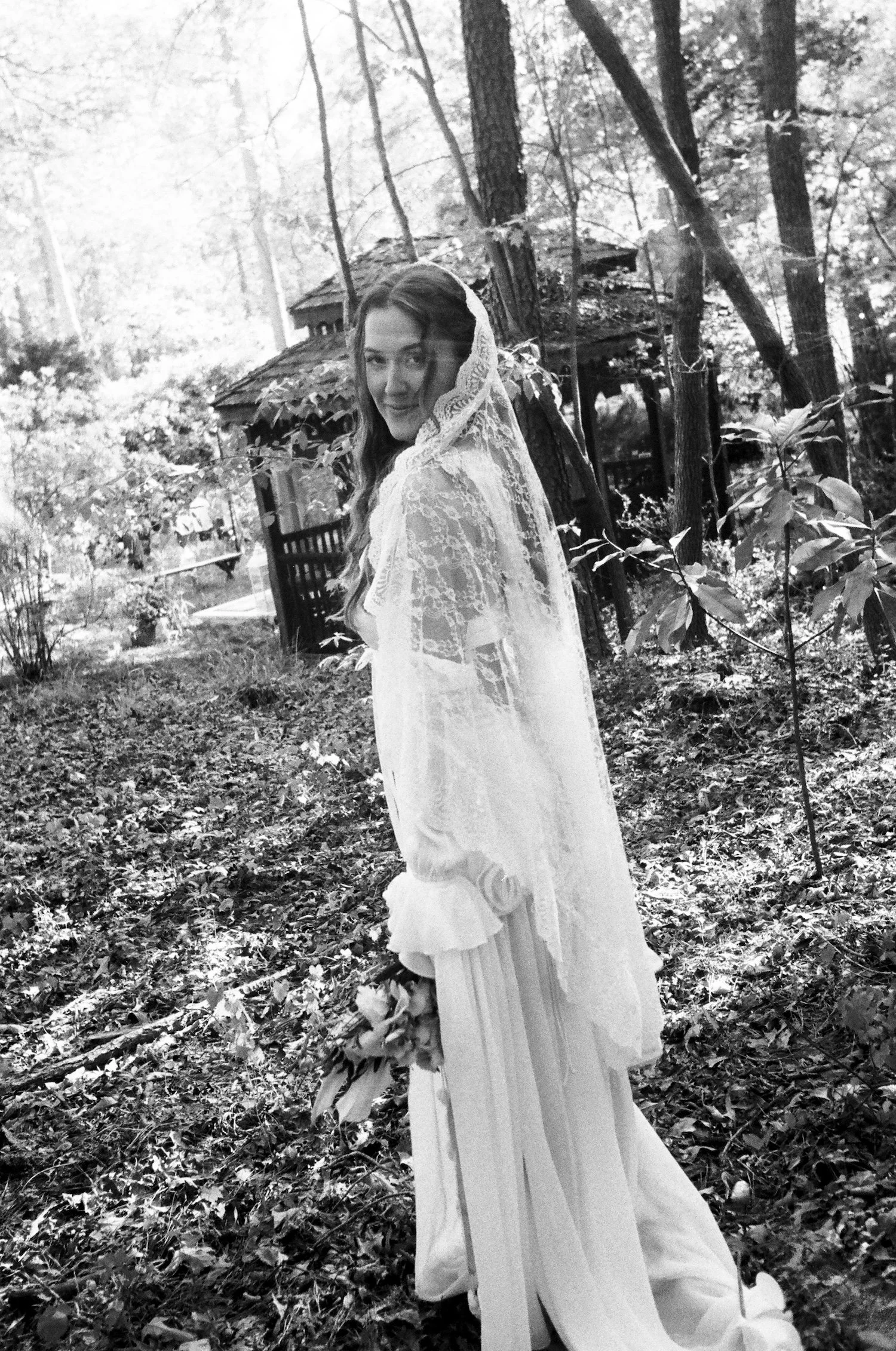
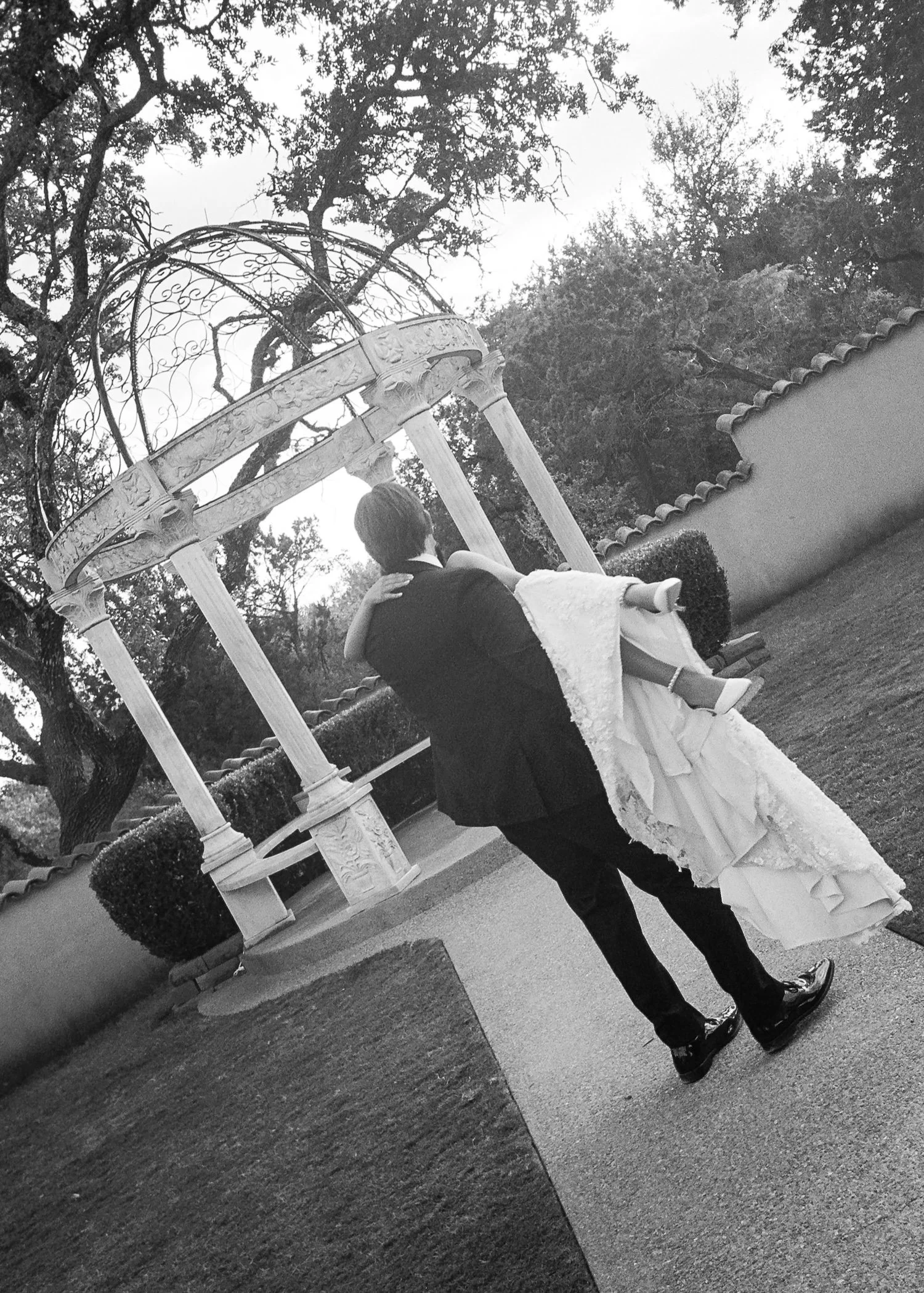
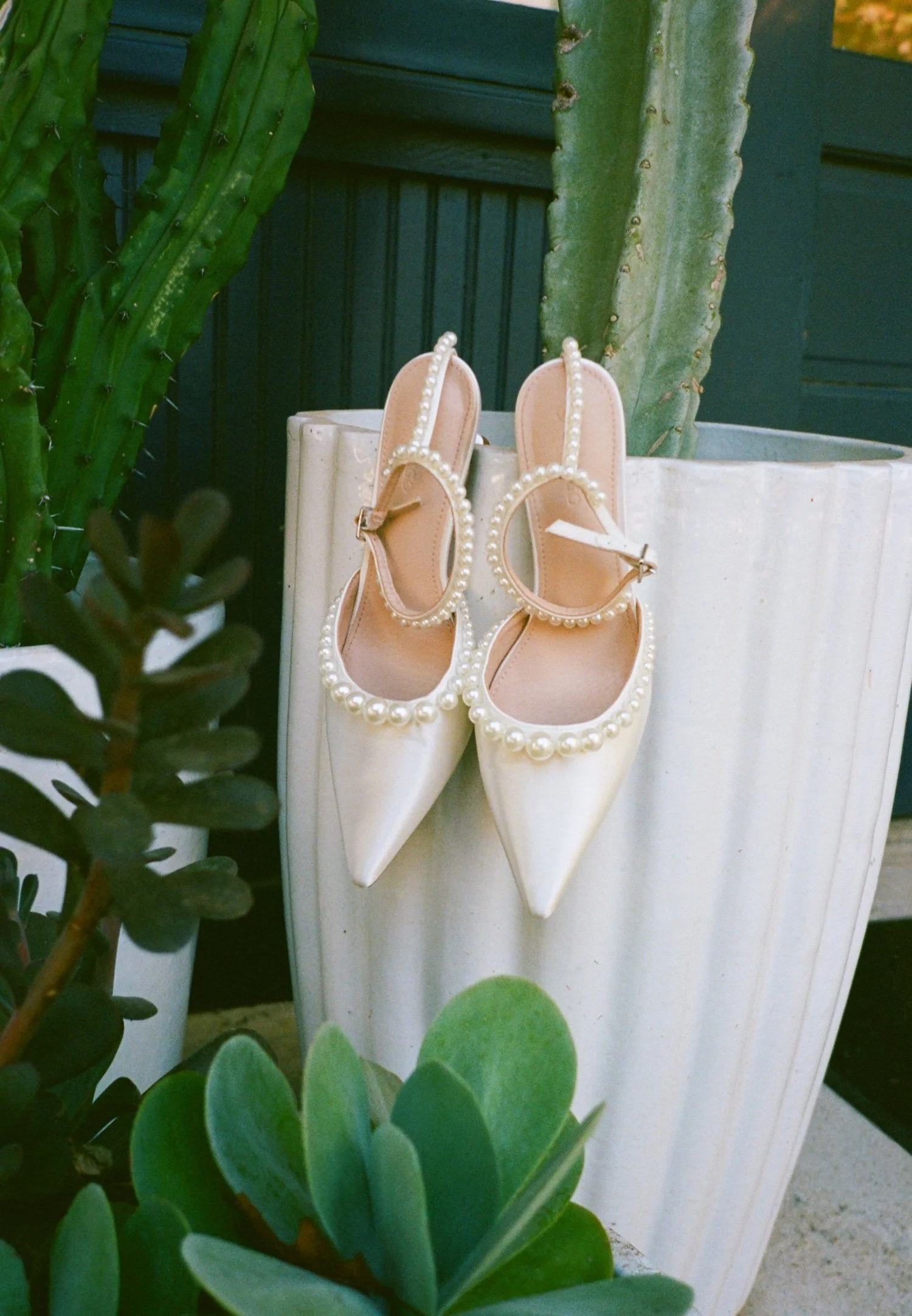
Because you get fewer photos per roll of medium format film, I typically reserve this format for portraits or slower moments — things like couple portraits, bridal details, or quiet shots during golden hour. It’s stunning, but also something I use intentionally.
Why I Shoot Film and Digital Together
Film photography is beautiful, but it also comes with a few challenges. Film can be unpredictable. Sometimes issues happen in the camera. Sometimes problems occur during processing. Occasionally a roll can get damaged or exposed incorrectly.
Because of that, I take a hybrid approach, meaning I photograph weddings using both film and digital.
Digital photography ensures that the most important moments of your wedding day (the ceremony, first kiss, first dance, and other high-stakes moments) are captured reliably.
Film, on the other hand, adds artistry and character to the gallery. It’s the best of both worlds.
I like to think of film as a beautiful, slightly unpredictable creative partner. She’s gorgeous, but also a little fickle (and definitely expensive) so I use her carefully.
How Film Gets Developed
Unlike digital photos, film needs to be physically developed before the images appear.
Many photographers choose to mail their film to professional labs across the country. But personally, mailing off rolls of wedding film gives me a bit of anxiety. Instead, I take my film locally to Austin, where it gets developed and scanned professionally.
Two labs I regularly use are ATX Film Lab and Precision Camera, both of which do an incredible job processing film and creating high-quality scans.
Once the film is developed, the images are scanned and delivered digitally, which means couples receive their film photos alongside their digital images in their online gallery.
So even though the images start on film, they’re still easy to download, share, and print.
Film as Part of Your Wedding Story
At the end of the day, film photography isn’t about trends. It’s about storytelling.
The softness, the color, the grain, the slight unpredictability — all of it contributes to photographs that feel emotional and timeless. By blending film and digital photography, I’m able to document a wedding day with both reliability and artistry. And when couples look back at their photos years from now, the goal is simple: That they don’t just see what the day looked like.
They remember exactly how it felt.
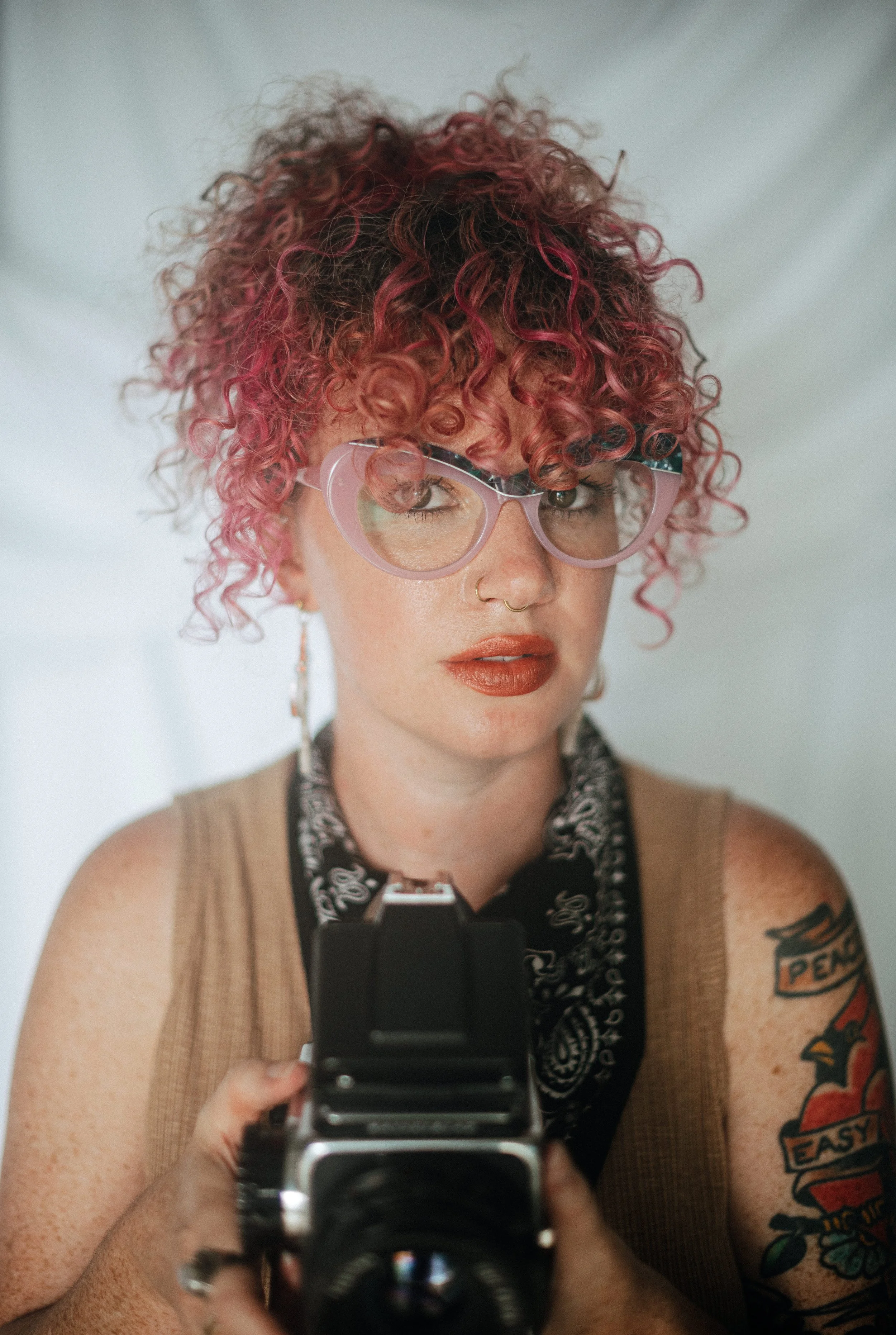
Film photography brings a little magic to a wedding gallery.
If you’re dreaming of photos that feel timeless, nostalgic, and a little cinematic, I’d love to hear about your plans. Inquire today and let’s start planning your wedding photography.